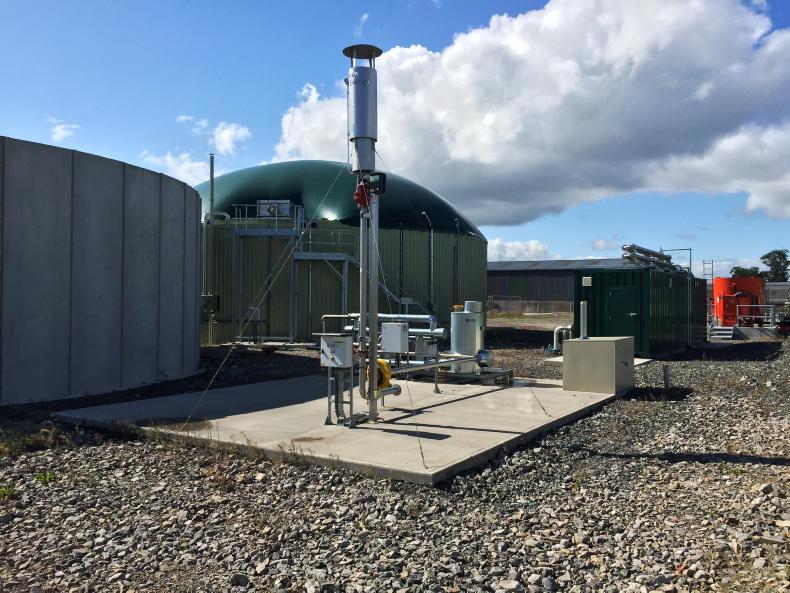
Teagasc's anaerobic digestor nearing completion in Grange, Co Meath. \ Thomas Hubert
ADVERTISEMENT
The programme for government touches on a wide array of renewable energy ambitions in a bid to rapidly decarbonise the Irish energy sector.
A key aim in the programme is to establish a new energy efficient farming scheme to include a farm efficiency rating and grant subsidies for onsite renewable energy.
The development of microgeneration will be prioritised, allowing farmers sell excess power back to the grid by June 2021.
ADVERTISEMENT
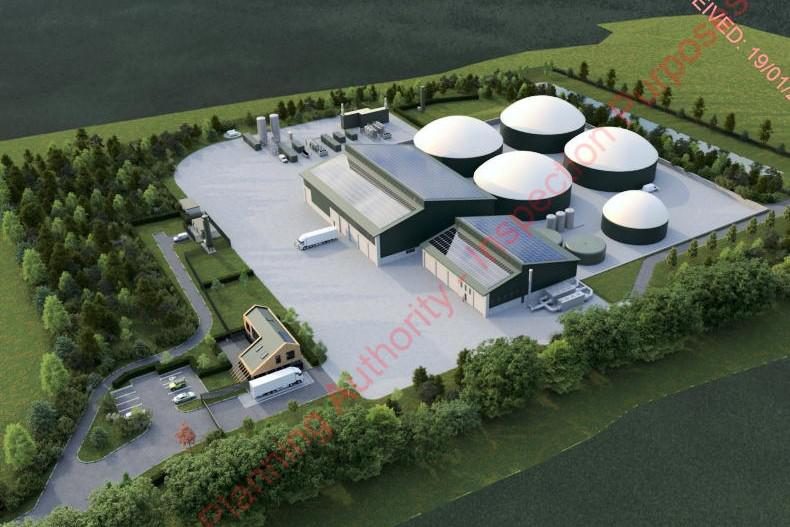
The programme commits to explore and develop potential opportunities for farmers from anaerobic digestion (AD).
AD is likely to play a role in meeting the programme’s commitments on nutrient management, fertiliser reduction and improving soil health. In addition, the parties intend to invest in research and development into “green” hydrogen.
They also aim to develop a solar energy strategy for rooftop and ground based photovoltaics and hold the first Renewable Electricity Support Scheme (RESS) auction by the end of 2020.
Comment
In the eyes of the EU, Ireland won’t be allowed to be the laggard in renewables for much longer so the ambitions set out in this programme are to be welcomed. However, given the history of renewables here, a step-change in pace and cross-departmental co-
operation will be needed to turn any of these ambitions into reality.
Register for free to read this story and our free stories.
This content is available to digital subscribers and loyalty code users only. Sign in to your account, use the code or subscribe to get unlimited access.
The reader loyalty code gives you full access to the site from when you enter it until the following Wednesday at 9pm. Find your unique code on the back page of Irish Country Living every week.
CODE ACCEPTED
You have full access to the site until next Wednesday at 9pm.
CODE NOT VALID
Please try again or contact support.
The programme for government touches on a wide array of renewable energy ambitions in a bid to rapidly decarbonise the Irish energy sector.
A key aim in the programme is to establish a new energy efficient farming scheme to include a farm efficiency rating and grant subsidies for onsite renewable energy.
The development of microgeneration will be prioritised, allowing farmers sell excess power back to the grid by June 2021.
The programme commits to explore and develop potential opportunities for farmers from anaerobic digestion (AD).
AD is likely to play a role in meeting the programme’s commitments on nutrient management, fertiliser reduction and improving soil health. In addition, the parties intend to invest in research and development into “green” hydrogen.
They also aim to develop a solar energy strategy for rooftop and ground based photovoltaics and hold the first Renewable Electricity Support Scheme (RESS) auction by the end of 2020.
Comment
In the eyes of the EU, Ireland won’t be allowed to be the laggard in renewables for much longer so the ambitions set out in this programme are to be welcomed. However, given the history of renewables here, a step-change in pace and cross-departmental co-
operation will be needed to turn any of these ambitions into reality.
If you would like to speak to a member of our team, please call us on 01-4199525.
Link sent to your email address
We have sent an email to your address. Please click on the link in this email to reset your password. If you can't find it in your inbox, please check your spam folder. If you can't find the email, please call us on 01-4199525.
ENTER YOUR LOYALTY CODE:
The reader loyalty code gives you full access to the site from when you enter it until the following Wednesday at 9pm. Find your unique code on the back page of Irish Country Living every week.







SHARING OPTIONS