Map: Brexit 'significant challenge' to agri-food trade - Bord Bia
Bord Bia has pledged support for the agri-food industry as the UK's decision to leave the EU puts the trade arrangement with Ireland's leading food export market into question.
An ESRI report published last November suggested a 20% reduction in trade between Britain and Ireland in the event of a Brexit, with home-based Irish companies likely to be worst hit.
The importance of Britain as a market varies between the sectors.
ADVERTISEMENT
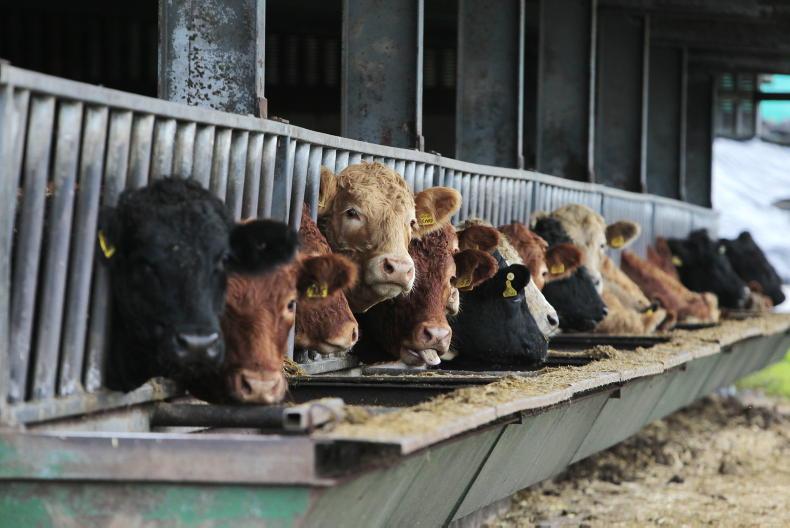
For beef, it is the main export market, taking half of Irish output.
Britain only produces about 80% of the beef it consumes, so Ireland is an attractive source of supply, as it produces a similar beef product to the same standards as domestic production.
This is reflected in Britain’s import figures, which show Ireland supplied over 75% of their total beef imports last year.
Market will still be there
While the market will still be there, irrespective of what Britain does about the EU membership, the concern will be what changes will happen to how trade is conducted.
Joining the EU removed trade barriers, and the arrival of the single EU market in 1992 eliminated the need for customs controls and veterinary certification, as the entire EU was treated as the same trading area.
When the UK leaves the EU, it will also be free to make its own trade deals and we might suspect the protection of agriculture would not be a high priority if its continued opposition to CAP payments is anything to go by.
We could envisage the UK making trade deals that would give market access for agri-produce in return for the UK getting access to financial services and banking to either the US or, indeed more worryingly, the Mercosur countries of South America.
These countries have an abundance of agri-food, beef in particular, looking for lucrative markets such as the UK. If this were to happen, the implications for continued Irish supply to the UK would be very bleak indeed.
Northern Ireland
Being part of the UK, Northern Ireland may not have the same threat to its beef markets, as it would be part of domestic production, covered by the highly-valued Red Tractor scheme.
We might reasonably conclude that indigenous UK production would continue to attract a premium over imports, irrespective of where they came from.
However, if South American beef with tariff-free access was the competitor at a lower value, overall value could still fall.
Phelim O’Neill contributed reporting to this story
This content is available to digital subscribers and loyalty code users only. Sign in to your account, use the code or subscribe to get unlimited access.
The reader loyalty code gives you full access to the site from when you enter it until the following Wednesday at 9pm. Find your unique code on the back page of Irish Country Living every week.
CODE ACCEPTED
You have full access to the site until next Wednesday at 9pm.
CODE NOT VALID
Please try again or contact support.
Bord Bia has described the
An ESRI report published last November suggested a 20% reduction in trade between Britain and Ireland in the event of a Brexit, with home-based Irish companies likely to be worst hit.
The importance of Britain as a market varies between the sectors.
For beef, it is the main export market, taking half of Irish output.
Britain only produces about 80% of the beef it consumes, so Ireland is an attractive source of supply, as it produces a similar beef product to the same standards as domestic production.
This is reflected in Britain’s import figures, which show Ireland supplied over 75% of their total beef imports last year.
Market will still be there
While the market will still be there, irrespective of what Britain does about the EU membership, the concern will be what changes will happen to how trade is conducted.
Joining the EU removed trade barriers, and the arrival of the single EU market in 1992 eliminated the need for customs controls and veterinary certification, as the entire EU was treated as the same trading area.
When the UK leaves the EU, it will also be free to make its own trade deals and we might suspect the protection of agriculture would not be a high priority if its continued opposition to CAP payments is anything to go by.
We could envisage the UK making trade deals that would give market access for agri-produce in return for the UK getting access to financial services and banking to either the US or, indeed more worryingly, the Mercosur countries of South America.
These countries have an abundance of agri-food, beef in particular, looking for lucrative markets such as the UK. If this were to happen, the implications for continued Irish supply to the UK would be very bleak indeed.
Northern Ireland
Being part of the UK, Northern Ireland may not have the same threat to its beef markets, as it would be part of domestic production, covered by the highly-valued Red Tractor scheme.
We might reasonably conclude that indigenous UK production would continue to attract a premium over imports, irrespective of where they came from.
However, if South American beef with tariff-free access was the competitor at a lower value, overall value could still fall.
Phelim O’Neill contributed reporting to this story
If you would like to speak to a member of our team, please call us on 01-4199525.
Link sent to your email address
We have sent an email to your address. Please click on the link in this email to reset your password. If you can't find it in your inbox, please check your spam folder. If you can't find the email, please call us on 01-4199525.
ENTER YOUR LOYALTY CODE:
The reader loyalty code gives you full access to the site from when you enter it until the following Wednesday at 9pm. Find your unique code on the back page of Irish Country Living every week.





SHARING OPTIONS