


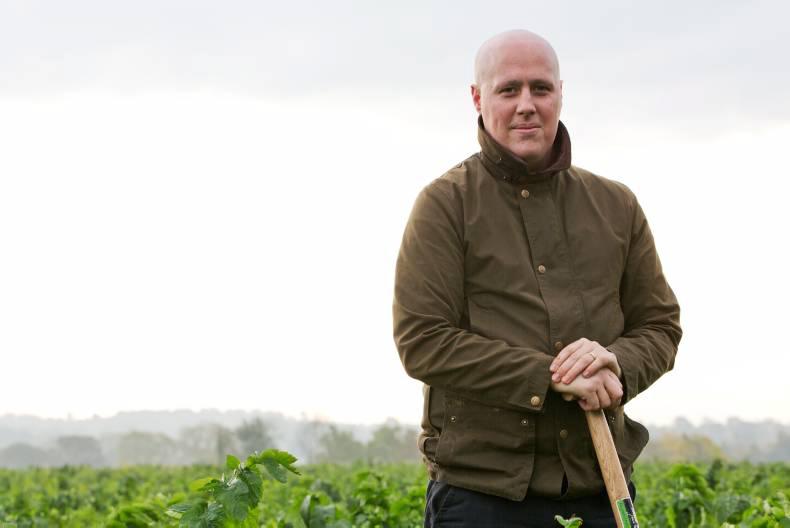
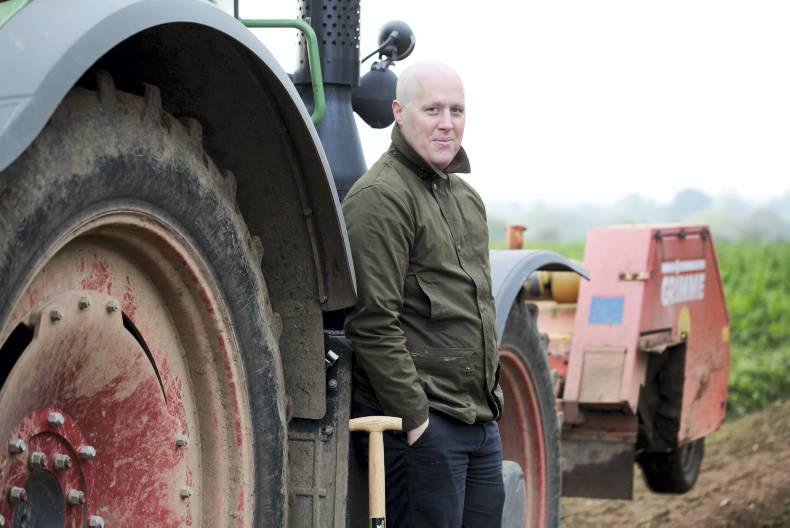
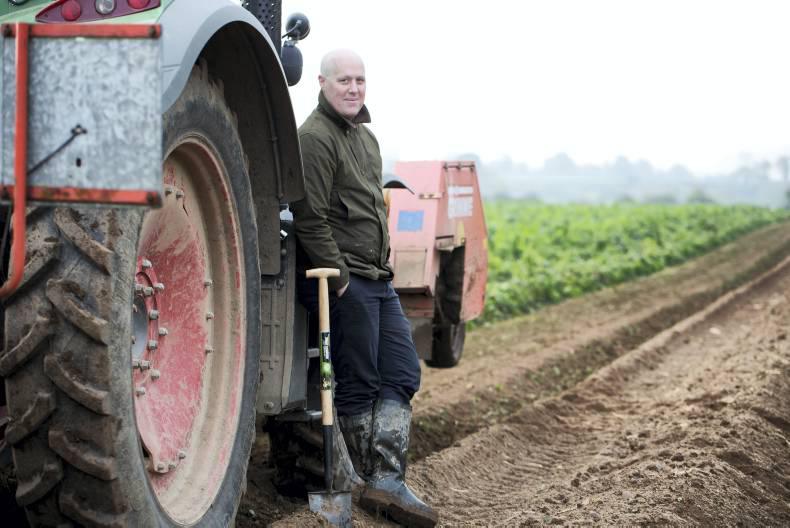
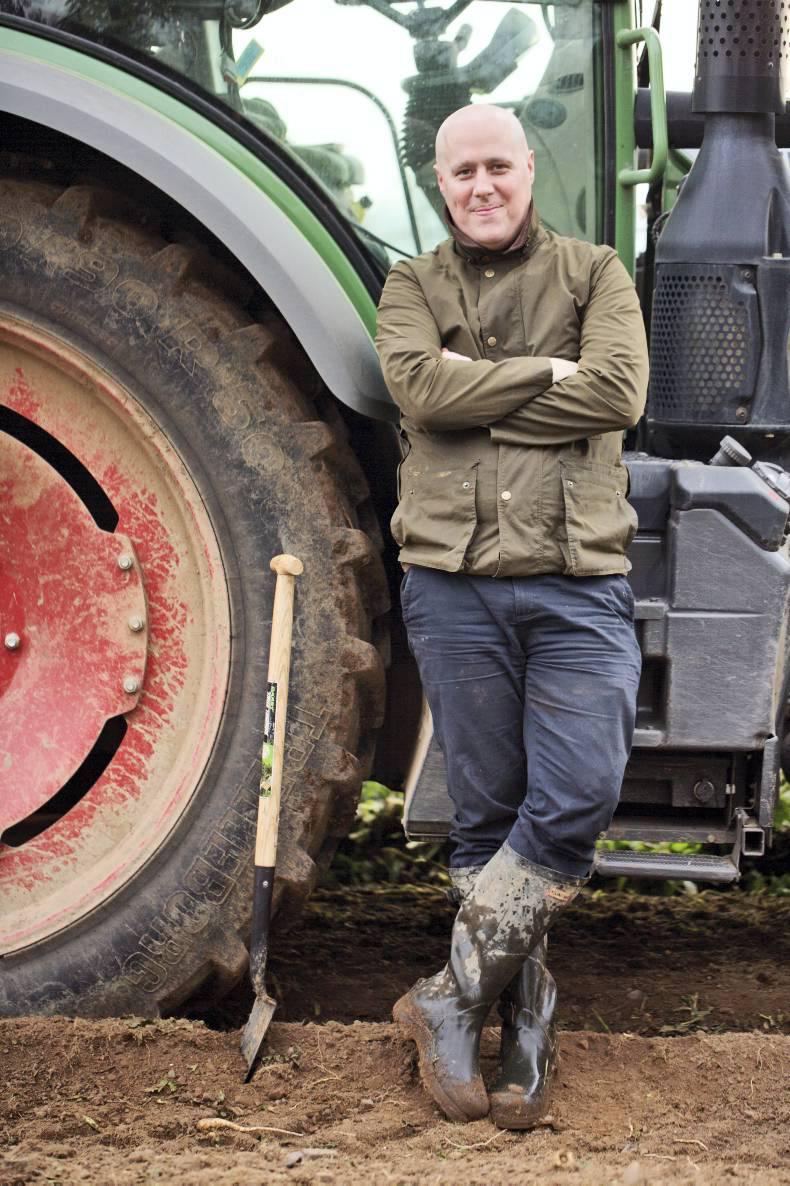
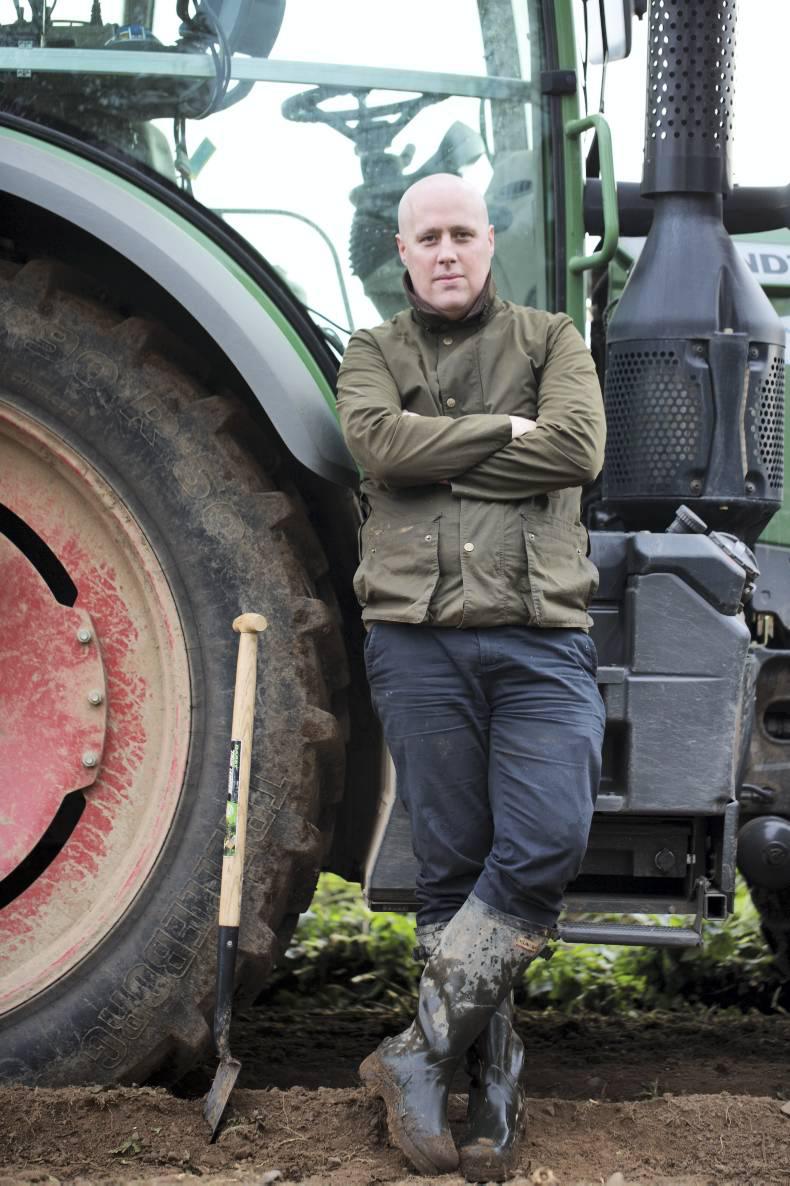
Now on the road to recovery, he wants to talk to other farmers about his experience.
After surgery to remove the cancer and four rounds of chemotherapy, the newlywed and expectant dad was lucky enough to have detected it early.
“Back in May I noticed a lump, about 2½cm, and I just knew it wasn’t right. People ask me: ‘How did you know?’ My body just told me.
“I left it a few weeks before I went to the doctor. I remember I went on Thursday and he had me going to the radiologist the following Monday. That’s when the panic set in,” he says.
Julian was told that there was a “good chance” that it was cancer, and the test results confirmed his worst fears. The cancer was non-seminoma, the aggressive type.
“You know it’s serious when the radiologist rings you immediately, so I had an idea. If I had waited six months I dread to think of the outcome. I remember sitting down that night and going through it in my head, what the statistical worst-case scenario was.
“Testicular cancer is very curable if you catch it early, so once I was over the initial shock I was very practical about it. Everyone approaches it in their own way. I play a lot of rugby, so I dealt with it similarly to a bad injury. It’s a long process but you’ll get better with time,” he says.
Julian underwent surgery to remove the cancerous lump. After this, however, a scan revealed a small area of cancer remaining between his spine and the two main arteries for his heart, “a tricky area” he was told.
He started chemotherapy soon after – a lengthy process but one which he wouldn’t have gotten through without the help and support of his family and friends.
“It’s important to let people know where you’re at mentally. You can’t take on the world when you’re sick– it will only go against you. You need to involve others and take the help.
“It was probably harder on my wife, Val. She was the one getting all the phone calls and the questions. At the time she had just found out she was pregnant, so it was double the worry for her,” he says.
“When you’re self-employed you have no safety net, and it was hard to keep the business going during this time. I brought very little value to our business when I was sick. Mentally, it was very hard. The drugs affect your ability to do simple tasks. It gives you anxiety and makes you go a little crazy. That’s not me, and I’m lucky that I had people around me who were very understanding and supportive,” he says.
Just weeks out of treatment, Julian is finally getting back to a sense of normality. He is now urging his fellow farmers to get checked for things like testicular cancer, for peace of mind.
“Farmers will be out fixing their tractors and machinery, but they wouldn’t look after themselves. The process of getting checked is very straightforward and the rewards for early detection are huge,” he says.
Julian is just one of the farmer ambassadors for Fovember. Why not join him or donate to http://moteam.co/fovember




SHARING OPTIONS