The value farmers receive for cattle processed in Irish factories is calculated at a rate per kilo paid for the dressed carcase weight of the animal. Weights will typically range somewhere between 50% of the animal’s live weight for the plainest cattle to around 60% for the best-quality carcases that have bigger muscles.
This is because the hide, head, tail, feet, stomach and organs are all removed in the slaughter process and are treated as a byproduct in the beef processing business.
These parts of the animal are sometimes referred to as the fifth quarter. After the animal has gone through the abattoir, it is split into two sides and prior to entering the deboning process, is split again into a hindquarter and forequarter.
That means the beef carcase is divided into four quarters and the other bits that were removed in the slaughter process are colloquially referred to as the fifth quarter.
Some of these by-products of the animal have a market value to the factory while other parts incur a cost as factories pay for their disposal.
Overall, the value of these is higher than the costs and processors will have an offal credit.
This is part of the calculation used in calculating what factories will pay for cattle each week.
How much is it worth?
As is the case with cuts of beef, the price received by individual factories for hides and offal isn’t published in Ireland or across the EU. It is however collected and published in the US by USDA and Bord Bia have taken this information and calculated an estimated value for the offal contribution to a beef carcase.
As shown in Figure 1, this is currently worth 34c/kg, having been as high as 53c/kg when the beef price was much lower back in November 2022.
This means that in the first week of March when the R3 steer price was €6.95/kg excluding VAT, 34c/kg of that is generated by offal value.
Back in November 2022, the value of offal in the overall beef price was proportionally greater.
Then the reported R3 steer price was €4.51/kg, with offal generating 54c/kg of value.
As with cuts of beef, the wholesale value received by factories when selling fluctuates over time.
Exports
While historically Irish consumers bought liver and kidneys, very little offal of any type is now sold in the home market. Most is exported and, unlike beef cuts, the main market isn’t the UK, but mainland Europe plus African and Asian markets.
In 2025, the value of Irish beef offal exports was €151.5m.
As Figure 2 shows, the value of offal exports is now significantly lower than a decade ago when they were worth almost €226m with most of the decline taking place over the past five years.
This contrasts sharply with the value of beef exports, which have increased progressively from €1.766bn in 2015 to €3.259bn last year, an 85% increase.
How factories work out the price
Beef processing is the reverse of the usual factory assembly line, where various component parts are assembled together to create a finished product.
Similarly in food processing, whether it is making a cake or a beverage, ingredients are blended and a single item is the end result.
However, beef processing involves starting with an animal and disassembling it into a multitude of individual parts, and then selling each one for its maximum value.
It is the ability to anticipate how much each individual component part will realise in the market that determines the profitability of a beef factory.
It is rare for each individual part of the anim offal and hides, to perform consistently.
For example, in periods of warm, sunny weather, the demand for steak meat can outstrip all other cuts of beef, while in winter it is often the steak meat that is left behind in stores when all other cuts of beef are sold.
A poor-performing market for steak meat from the start of this year has been widely blamed by beef factories for their reduction in prices paid to farmers for cattle.
The value of the beef animal to the factory is calculated by the combined sales of all the component parts that make up the animal delivered to the factory by farmers.
Everything from the head to the tail has either a value to the factory or a cost, as is the case with disposal of the stomach contents and brain since BSE became an issue in the 1990s.
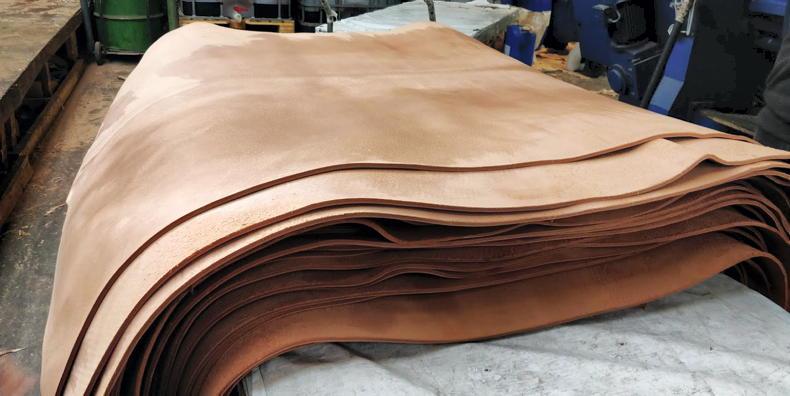
Salted or chilled hides that have completed the primary tanning process are taken through the finishing process off by curriers to produce finished leather ready for use in luxury leather goods. Mass produced leather is a more mechanised process
Hides
The animal’s hide is removed early in the disassembly process and taken immediately from the factory floor so that it doesn’t enter what is effectively a sterile food-manufacturing zone.
Utilisation of hides is done outside the food-processing environment and begins with a curing process. This is the first step in transforming them into leather for use in the manufacture of multiple consumer products, including shoes, fashion items, furniture and car seats. Cured hides are exported for tanning; the next step in turning them into leather.
In the past, tanning did take place on a localised basis in Ireland, but it wasn’t a business that justified the huge investment required to comply with ever-increasing environmental constraints. Italy is the historic centre of the global leather industry, but in recent times has been replaced by China – which now dominates global leather production. After the tanning process, the hides move into the next step of the leather-manufacturing process.
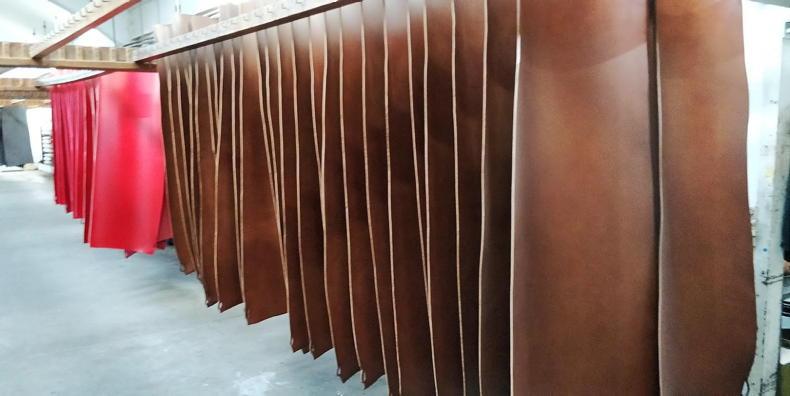
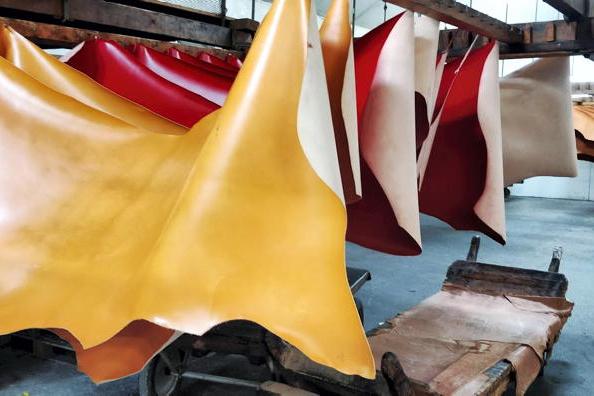
This is done by curriers to produce high-end specialist leather for use in luxury goods, with a more mechanised process used for mass-produced leather used in lower-value goods. Hides and leather manufacture is detached from primary beef processing and well removed from the food industry. In the past, the hide was a particularly valuable part of the animal, with steer hides reaching a values as high as €85+. In recent years however, the value of hides has fallen to around €20, as leather goods have fallen out of fashion and in cars and furniture, leather is being replaced by what is referred to as faux leather.
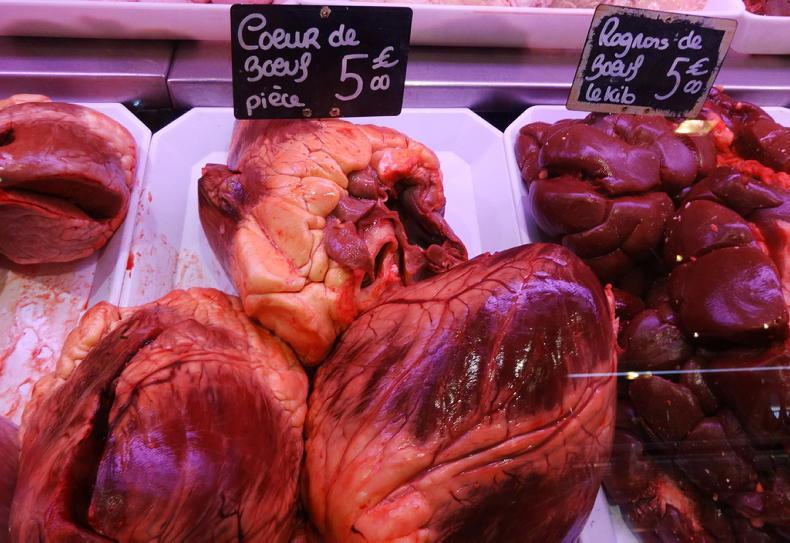
Offal is more widely sold in mainland Europe than in the UK and Ireland.
Comment: do farmers get paid for animal by-products?
The short answer is that they do, but indirectly. A sales remittance from any beef factory will show that a price per kilo is paid for the carcase – which is weighed after the hide and offal has been removed.
However, when factories are calculating the value they will pay for the beef carcase, the value they recover from the market for all of the component parts is included in the same way as the costs of breaking up the carcase into its component parts are. Lamb skins are a cost.
Payment on a dressed carcase weight to a specification that is standard across the EU, underpins the price reporting system by each member state. This, in turn, enables a direct price comparison of beef prices be made between EU countries and while now outside the EU, the UK has retained this system.
Some minor modification can be made to trim levels, but a coefficient is applied in these cases for price reporting purposes. The trimming spec is tightly defined and factory compliance is monitored by DAFM officials and their counterparts in DAERA.
The value farmers receive for cattle processed in Irish factories is calculated at a rate per kilo paid for the dressed carcase weight of the animal. Weights will typically range somewhere between 50% of the animal’s live weight for the plainest cattle to around 60% for the best-quality carcases that have bigger muscles.
This is because the hide, head, tail, feet, stomach and organs are all removed in the slaughter process and are treated as a byproduct in the beef processing business.
These parts of the animal are sometimes referred to as the fifth quarter. After the animal has gone through the abattoir, it is split into two sides and prior to entering the deboning process, is split again into a hindquarter and forequarter.
That means the beef carcase is divided into four quarters and the other bits that were removed in the slaughter process are colloquially referred to as the fifth quarter.
Some of these by-products of the animal have a market value to the factory while other parts incur a cost as factories pay for their disposal.
Overall, the value of these is higher than the costs and processors will have an offal credit.
This is part of the calculation used in calculating what factories will pay for cattle each week.
How much is it worth?
As is the case with cuts of beef, the price received by individual factories for hides and offal isn’t published in Ireland or across the EU. It is however collected and published in the US by USDA and Bord Bia have taken this information and calculated an estimated value for the offal contribution to a beef carcase.
As shown in Figure 1, this is currently worth 34c/kg, having been as high as 53c/kg when the beef price was much lower back in November 2022.
This means that in the first week of March when the R3 steer price was €6.95/kg excluding VAT, 34c/kg of that is generated by offal value.
Back in November 2022, the value of offal in the overall beef price was proportionally greater.
Then the reported R3 steer price was €4.51/kg, with offal generating 54c/kg of value.
As with cuts of beef, the wholesale value received by factories when selling fluctuates over time.
Exports
While historically Irish consumers bought liver and kidneys, very little offal of any type is now sold in the home market. Most is exported and, unlike beef cuts, the main market isn’t the UK, but mainland Europe plus African and Asian markets.
In 2025, the value of Irish beef offal exports was €151.5m.
As Figure 2 shows, the value of offal exports is now significantly lower than a decade ago when they were worth almost €226m with most of the decline taking place over the past five years.
This contrasts sharply with the value of beef exports, which have increased progressively from €1.766bn in 2015 to €3.259bn last year, an 85% increase.
How factories work out the price
Beef processing is the reverse of the usual factory assembly line, where various component parts are assembled together to create a finished product.
Similarly in food processing, whether it is making a cake or a beverage, ingredients are blended and a single item is the end result.
However, beef processing involves starting with an animal and disassembling it into a multitude of individual parts, and then selling each one for its maximum value.
It is the ability to anticipate how much each individual component part will realise in the market that determines the profitability of a beef factory.
It is rare for each individual part of the anim offal and hides, to perform consistently.
For example, in periods of warm, sunny weather, the demand for steak meat can outstrip all other cuts of beef, while in winter it is often the steak meat that is left behind in stores when all other cuts of beef are sold.
A poor-performing market for steak meat from the start of this year has been widely blamed by beef factories for their reduction in prices paid to farmers for cattle.
The value of the beef animal to the factory is calculated by the combined sales of all the component parts that make up the animal delivered to the factory by farmers.
Everything from the head to the tail has either a value to the factory or a cost, as is the case with disposal of the stomach contents and brain since BSE became an issue in the 1990s.
Salted or chilled hides that have completed the primary tanning process are taken through the finishing process off by curriers to produce finished leather ready for use in luxury leather goods. Mass produced leather is a more mechanised process
Hides
The animal’s hide is removed early in the disassembly process and taken immediately from the factory floor so that it doesn’t enter what is effectively a sterile food-manufacturing zone.
Utilisation of hides is done outside the food-processing environment and begins with a curing process. This is the first step in transforming them into leather for use in the manufacture of multiple consumer products, including shoes, fashion items, furniture and car seats. Cured hides are exported for tanning; the next step in turning them into leather.
In the past, tanning did take place on a localised basis in Ireland, but it wasn’t a business that justified the huge investment required to comply with ever-increasing environmental constraints. Italy is the historic centre of the global leather industry, but in recent times has been replaced by China – which now dominates global leather production. After the tanning process, the hides move into the next step of the leather-manufacturing process.
This is done by curriers to produce high-end specialist leather for use in luxury goods, with a more mechanised process used for mass-produced leather used in lower-value goods. Hides and leather manufacture is detached from primary beef processing and well removed from the food industry. In the past, the hide was a particularly valuable part of the animal, with steer hides reaching a values as high as €85+. In recent years however, the value of hides has fallen to around €20, as leather goods have fallen out of fashion and in cars and furniture, leather is being replaced by what is referred to as faux leather.
Offal is more widely sold in mainland Europe than in the UK and Ireland.
Comment: do farmers get paid for animal by-products?
The short answer is that they do, but indirectly. A sales remittance from any beef factory will show that a price per kilo is paid for the carcase – which is weighed after the hide and offal has been removed.
However, when factories are calculating the value they will pay for the beef carcase, the value they recover from the market for all of the component parts is included in the same way as the costs of breaking up the carcase into its component parts are. Lamb skins are a cost.
Payment on a dressed carcase weight to a specification that is standard across the EU, underpins the price reporting system by each member state. This, in turn, enables a direct price comparison of beef prices be made between EU countries and while now outside the EU, the UK has retained this system.
Some minor modification can be made to trim levels, but a coefficient is applied in these cases for price reporting purposes. The trimming spec is tightly defined and factory compliance is monitored by DAFM officials and their counterparts in DAERA.






SHARING OPTIONS