


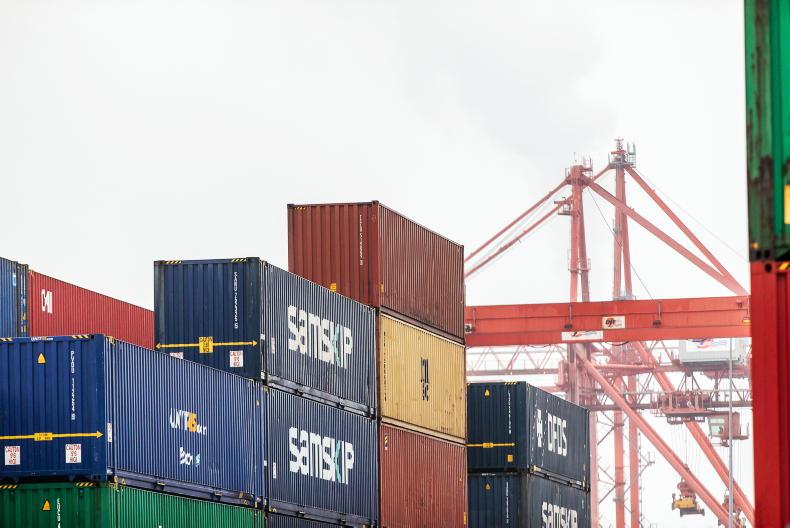
Last week’s decision by the US Supreme Court – which found that tariffs implemented under President Trump’s trade policy are illegal – has led to a fresh round of uncertainty for countries and companies trading with the US.
In the immediate wake of the decision Trump announced a fresh global tariff of 10% on almost all goods imported to America. At the weekend he said that the rate would actually be 15%. When the new regime came into place on Tuesday 24 February, the tariff level was at the original 10% announced.
An administration spokesperson said that the 15% rate is still being worked on and “will come later”, according to a report in the Financial Times.
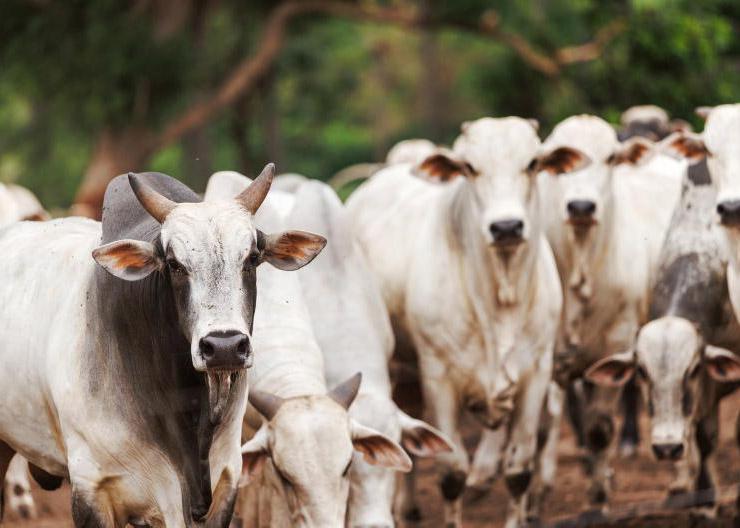
The executive order published by the White House shows there are several exceptions to the new rate. Critically, beef imports are included in that list of exceptions.
This means that producers in Brazil, which had been subject to tariffs from the Trump administration, should maintain access to the US market. This could have knock-on effects for European farmers who are concerned about the risk to their livelihoods from South American imports.
If Brazilian exports continue to the US market, then that should reduce the risk of a flood of lower-price exports to the EU. Australian beef exports to the US will also be subject to 0% tariff.
While there might be some good news for beef producers, there seems to be nothing to cheer for in the dairy sector.
The Irish Exporters Association warned that the new 10% levy will be layered, meaning that it will be added on top of whatever tariffs were in place before President Trump took office. Butter was subject to a tariff of $1,541 per tonne under long-standing agreements, which is roughly equivalent to 15% at 2025 prices.
The EU-US trade deal struck in Scotland last year saw the maximum tariff on exports to the US struck at the higher of either existing tariffs, or 15%.
In effect, this meant that there was little change to the tariff rate on butter exports from Ireland to the US. The imposition of the 10% additional tariff, if it is layered, will mean an effective tariff on Ireland’s butter exports of around 25%.
A spokesperson for Ornua, which sells the hugely successful Kerrygold brand in the US, said: “Ornua continues to closely monitor the situation.”
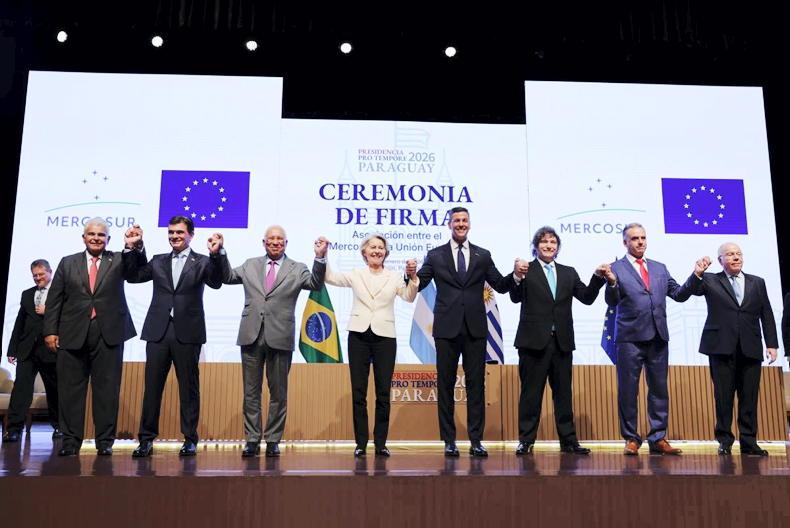
The European Parliament, meanwhile, has delayed the ratification of the trade deal agreed last year with the US in the wake of the announcement of the fresh tariffs. Bernd Lange, chair of the Parliament’s trade committee said that the “tariff chaos” meant there was no option but to delay ratification, adding that stability is important for investment.
Agreement
European Commission spokesperson Olaf Gill said that the EU intention is to honour and continue to implement the agreement, and that the EU expects the US to be able to say precisely what is happening “in order that they can continue implementing their side of the agreement”.
For most Irish exporters, this must feel like a return of the uncertainty which existed in the wake of Trump’s announcement of his “liberation day” tariffs in 2025. Earlier this week, Simon McKeever, CEO of the Irish Exporters Association said it was like “Groundhog Day without the comedy”.
To further add to the uncertainty, the measures introduced by Trump can only remain in place for 150 days before they have to be approved by Congress. There are signs that the president may not win such a vote.




SHARING OPTIONS