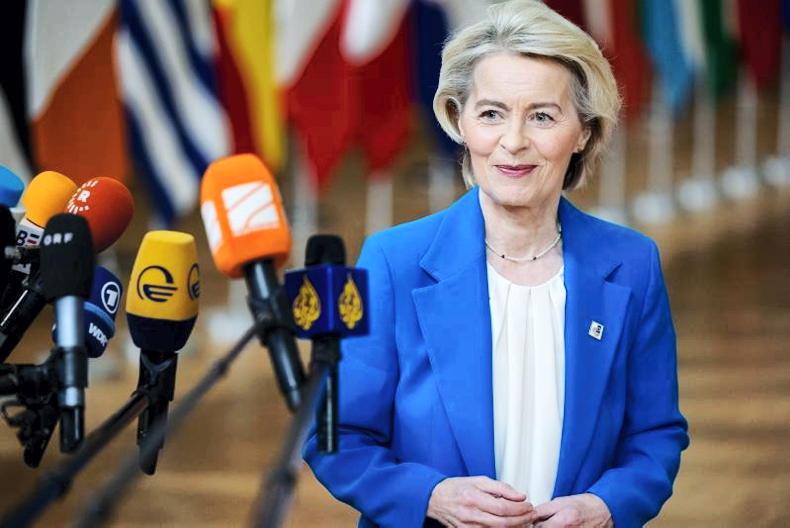
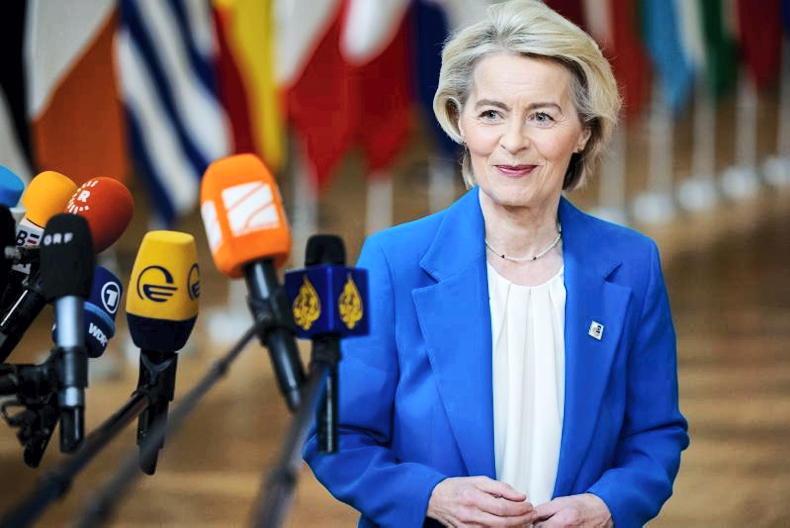
European Commission President, Ursula von der Leyen announced on Friday that the trade deal agreed with the Mercosur countries of Argentina, Brazil, Paraguay and Uruguay will come into effect provisionally. This followed the ratification of the deal by Uruguay and Argentina the previous day.
In her statement, the Commission President referred to the European Council decision in January which “empowered the Commission to provisionally apply the agreement as from the first ratification by one Mercosur country,” adding: “I have said before: when they are ready, we are ready.”
The European Council had voted to ratify the deal by a qualified majority with Ireland being in the minority of countries that opposed it. The Parliament then voted to refer the deal to the European Court of Justice for an opinion, a process which may take up to two years. It had been thought that the implementation of the deal might be delayed pending the Court’s decision but the Commission is clear that they have the mandate to operate the agreement provisionally.
President von der Leyen addressed this issue in her statement saying: “Provisional application is, by its nature – provisional. It is right there in the name. In line with the EU Treaties, the agreement can only be fully concluded once the European Parliament has given its consent.”
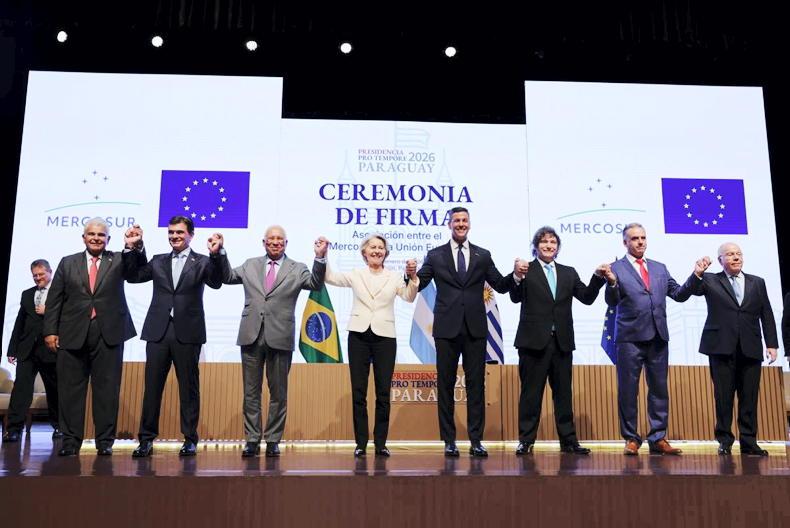
President of the European Commission, Ursula von der Leyen at the signing of the Mercosur trade deal in Paraguay with the leaders of the South American countries that are members of Mercosur.
In practice this means that the Mercosur trade deal will come into effect as soon as the European Commission has been formally notified through official channels by the Mercosur countries. After this a date will be published in the Official Journal from which the deal will be operational.
This bureaucracy is expected to take a number of weeks, but it is now a case of when, not if, the deal takes effect. Instead of delaying the introduction of the deal, the decision to refer it to the Court has only delayed final ratification by Parliament, rather than do anything to stop provisional implementation of the deal.
What will it mean
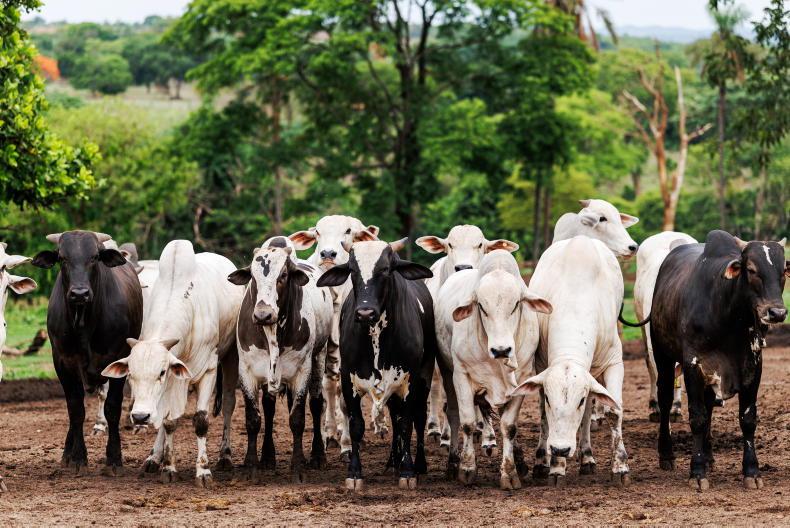
The trade deal between the EU and Mercosur countries is the largest ever global trade deal. What is of specific interest to the majority of Irish farmers is the additional 99,000 tonnes of beef access to the EU market for Mercosur countries at a reduced 7.5% tariff. There is also a 180,000 tonne poultry meat quota which will impact poultry producers.
Meanwhile, there is limited access for EU dairy exports to the Mercosur countries with a 30,000 tonne cheese quota granted at zero tariff, down from 28% at present, phased in over ten years. There is also a 10,000 tonne zero tariff milk powder quota, which carries a current tariff of 28% and a 5,000 tonne infant formula zero tariff quota, reduced from the current 18% tariff. To put these volumes in context, Ireland alone exported almost 357,000 tonnes of cheese last year, more than 93,000 tonnes of infant food and 581,000 tonnes of milk powders.
The additional 99,000 tonnes of beef granted to the Mercosur is the highest beef allocation of any EU trade deal. In the context of overall EU beef production, this is a relatively small volume at less than 2% of EU output. However, it has a potentially disproportionate impact because the type of beef isn’t specified – hence the likelihood that only high-value steak meat will be supplied.
As Figure 1 shows, the Mercosur countries are major suppliers of EU beef imports. In 2025, EU imports from the four South American countries was 197,000 tonnes of fresh and frozen beef. This is the highest annual total on the EU Commission’s dashboard which goes back to 2010.
Reaction
The farm organisations were vocal in their criticism of the Commission’s decision to operate the agreement provisionally ahead of a vote in the European Parliament. Speaking for the IFA, President Francie Gorman criticised the Commission President for not respecting the decision by the Parliament to refer the deal to the European Court of Justice.
He said that “it’s somewhat ironic that the Commission President is so keen to drive on in the same week that their latest audit in Brazil shows the controls are not in place. Despite what the EU Commission has frequently said, the Brazilian authorities have not managed to get their house in order.”
President of ICMSA, Denis Drennan, said that the move, while technically possible, was a calculated repudiation of the authority of the EU Parliament and could only be interpreted as a ‘slap down’ of elected MEPs.
ICSA President Sean McNamara called the decision “beyond frustrating.” He added that “We campaigned long and hard for a legal review of this deal because there are serious questions around it. A majority of MEPs supported that call. So it is very hard to accept that the Commission would now press ahead as if that vote carried no weight,”
Copa Cogeca, who represent EU farm organisations called the decision “a disregard for the well-founded concerns we have been raising for years.”
The dairy industry is more positive about the Mercosur deal with Eucolait who represent dairy traders and the European Dairy Association both welcoming the deal.
Conor Mulvihill, director of DII said that as exporters, his members are enthusiastic about trade but he was “underwhelmed” by the level of access secured for cheese, powders and infant formulas in the deal, describing the quotas as “a fraction of Irish production never mind the EU as a whole.”
Comment
Looked at in its overall context, the EU-Mercosur trade deal is good for the EU and indeed the Irish economy. All of the major corporation tax payers to the Irish exchequer will benefit from greater access to the Mercosur market. In agriculture, the deal is neutral for pig meat, and there is some limited opportunity for dairy. It is only the beef and poultry meat quotas that present a particular risk for Irish farmers.
Impact assessments carried out by both the EU and Irish Governments when beef was a much lower price than it is currently showed that beef producers would be worse off, albeit by a small amount.
Since those assessments were carried out much has changed in global trade. US trade policy over the past year has been particularly disruptive and in recent weeks China has announced the introduction of an import quota for major suppliers, above which they will pay an additional 55% tariff. All of this increases the risk of greater volumes arriving onto the EU market.
There is also the issue of UK post-Brexit trade deals which are outside EU control but have opened that market up for Australian and New Zealand beef and in the process created greater competition for Irish beef exports.
The EU has also introduced a safeguard mechanism that can be a brake on Mercosur imports should they be demonstrated to undermine the market sufficiently. The value of this is disputed by farmer representatives but in itself it is a recognition that Mercosur is a risk to beef producers
On the other hand European beef production has reduced over the past year and EU forecasts suggest that this trend will continue over the next decade, which suggests more imported beef can be absorbed by the market.
The EU has also introduced a safeguard mechanism that can be a brake on Mercosur imports should they be demonstrated to undermine the market sufficiently. The value of this is disputed by farmer representatives but in itself it is a recognition that Mercosur is a risk to beef producers.
The bottom line is that Mercosur is a good trade deal for the wider economy and okay for much of agriculture apart from beef and poultry meat. With consumer demand for poultry meat on an upward curve, the extra product could well be absorbed by the market.
The same may also turn out to be the case for beef but the bottom line is that this is the one sector of the Irish economy for which the Mercosur deal creates a risk. The other reality is that Irish beef now has more competition in our main export markets than at any time since joining the EEC in 1973.
European Commission President, Ursula von der Leyen announced on Friday that the trade deal agreed with the Mercosur countries of Argentina, Brazil, Paraguay and Uruguay will come into effect provisionally. This followed the ratification of the deal by Uruguay and Argentina the previous day.
In her statement, the Commission President referred to the European Council decision in January which “empowered the Commission to provisionally apply the agreement as from the first ratification by one Mercosur country,” adding: “I have said before: when they are ready, we are ready.”
The European Council had voted to ratify the deal by a qualified majority with Ireland being in the minority of countries that opposed it. The Parliament then voted to refer the deal to the European Court of Justice for an opinion, a process which may take up to two years. It had been thought that the implementation of the deal might be delayed pending the Court’s decision but the Commission is clear that they have the mandate to operate the agreement provisionally.
President von der Leyen addressed this issue in her statement saying: “Provisional application is, by its nature – provisional. It is right there in the name. In line with the EU Treaties, the agreement can only be fully concluded once the European Parliament has given its consent.”
President of the European Commission, Ursula von der Leyen at the signing of the Mercosur trade deal in Paraguay with the leaders of the South American countries that are members of Mercosur.
In practice this means that the Mercosur trade deal will come into effect as soon as the European Commission has been formally notified through official channels by the Mercosur countries. After this a date will be published in the Official Journal from which the deal will be operational.
This bureaucracy is expected to take a number of weeks, but it is now a case of when, not if, the deal takes effect. Instead of delaying the introduction of the deal, the decision to refer it to the Court has only delayed final ratification by Parliament, rather than do anything to stop provisional implementation of the deal.
What will it mean
The trade deal between the EU and Mercosur countries is the largest ever global trade deal. What is of specific interest to the majority of Irish farmers is the additional 99,000 tonnes of beef access to the EU market for Mercosur countries at a reduced 7.5% tariff. There is also a 180,000 tonne poultry meat quota which will impact poultry producers.
Meanwhile, there is limited access for EU dairy exports to the Mercosur countries with a 30,000 tonne cheese quota granted at zero tariff, down from 28% at present, phased in over ten years. There is also a 10,000 tonne zero tariff milk powder quota, which carries a current tariff of 28% and a 5,000 tonne infant formula zero tariff quota, reduced from the current 18% tariff. To put these volumes in context, Ireland alone exported almost 357,000 tonnes of cheese last year, more than 93,000 tonnes of infant food and 581,000 tonnes of milk powders.
The additional 99,000 tonnes of beef granted to the Mercosur is the highest beef allocation of any EU trade deal. In the context of overall EU beef production, this is a relatively small volume at less than 2% of EU output. However, it has a potentially disproportionate impact because the type of beef isn’t specified – hence the likelihood that only high-value steak meat will be supplied.
As Figure 1 shows, the Mercosur countries are major suppliers of EU beef imports. In 2025, EU imports from the four South American countries was 197,000 tonnes of fresh and frozen beef. This is the highest annual total on the EU Commission’s dashboard which goes back to 2010.
Reaction
The farm organisations were vocal in their criticism of the Commission’s decision to operate the agreement provisionally ahead of a vote in the European Parliament. Speaking for the IFA, President Francie Gorman criticised the Commission President for not respecting the decision by the Parliament to refer the deal to the European Court of Justice.
He said that “it’s somewhat ironic that the Commission President is so keen to drive on in the same week that their latest audit in Brazil shows the controls are not in place. Despite what the EU Commission has frequently said, the Brazilian authorities have not managed to get their house in order.”
President of ICMSA, Denis Drennan, said that the move, while technically possible, was a calculated repudiation of the authority of the EU Parliament and could only be interpreted as a ‘slap down’ of elected MEPs.
ICSA President Sean McNamara called the decision “beyond frustrating.” He added that “We campaigned long and hard for a legal review of this deal because there are serious questions around it. A majority of MEPs supported that call. So it is very hard to accept that the Commission would now press ahead as if that vote carried no weight,”
Copa Cogeca, who represent EU farm organisations called the decision “a disregard for the well-founded concerns we have been raising for years.”
The dairy industry is more positive about the Mercosur deal with Eucolait who represent dairy traders and the European Dairy Association both welcoming the deal.
Conor Mulvihill, director of DII said that as exporters, his members are enthusiastic about trade but he was “underwhelmed” by the level of access secured for cheese, powders and infant formulas in the deal, describing the quotas as “a fraction of Irish production never mind the EU as a whole.”
Comment
Looked at in its overall context, the EU-Mercosur trade deal is good for the EU and indeed the Irish economy. All of the major corporation tax payers to the Irish exchequer will benefit from greater access to the Mercosur market. In agriculture, the deal is neutral for pig meat, and there is some limited opportunity for dairy. It is only the beef and poultry meat quotas that present a particular risk for Irish farmers.
Impact assessments carried out by both the EU and Irish Governments when beef was a much lower price than it is currently showed that beef producers would be worse off, albeit by a small amount.
Since those assessments were carried out much has changed in global trade. US trade policy over the past year has been particularly disruptive and in recent weeks China has announced the introduction of an import quota for major suppliers, above which they will pay an additional 55% tariff. All of this increases the risk of greater volumes arriving onto the EU market.
There is also the issue of UK post-Brexit trade deals which are outside EU control but have opened that market up for Australian and New Zealand beef and in the process created greater competition for Irish beef exports.
The EU has also introduced a safeguard mechanism that can be a brake on Mercosur imports should they be demonstrated to undermine the market sufficiently. The value of this is disputed by farmer representatives but in itself it is a recognition that Mercosur is a risk to beef producers
On the other hand European beef production has reduced over the past year and EU forecasts suggest that this trend will continue over the next decade, which suggests more imported beef can be absorbed by the market.
The EU has also introduced a safeguard mechanism that can be a brake on Mercosur imports should they be demonstrated to undermine the market sufficiently. The value of this is disputed by farmer representatives but in itself it is a recognition that Mercosur is a risk to beef producers.
The bottom line is that Mercosur is a good trade deal for the wider economy and okay for much of agriculture apart from beef and poultry meat. With consumer demand for poultry meat on an upward curve, the extra product could well be absorbed by the market.
The same may also turn out to be the case for beef but the bottom line is that this is the one sector of the Irish economy for which the Mercosur deal creates a risk. The other reality is that Irish beef now has more competition in our main export markets than at any time since joining the EEC in 1973.





SHARING OPTIONS