The decision by the European Parliament to refer the Mercosur trade deal to the European Court of Justice (ECJ) is at least another bump on the road to the deal coming into effect.
Typically, it takes the court two years to adjudicate on issues that have been referred to it and it is likely that the ratification process will pause pending their decision.
The decision was close - a margin of 10 on a total vote by 668 members. However, in the Parliament, a simple majority is all that is required so the size of the majority doesn’t matter.
Implications of referral
While Mercosur has been in debate since 1999, there has been a feeling over recent weeks that it was being pushed through.
The failure to get Italy on board before Christmas meant that the decision by member states to approve by qualified majority was delayed until last week.
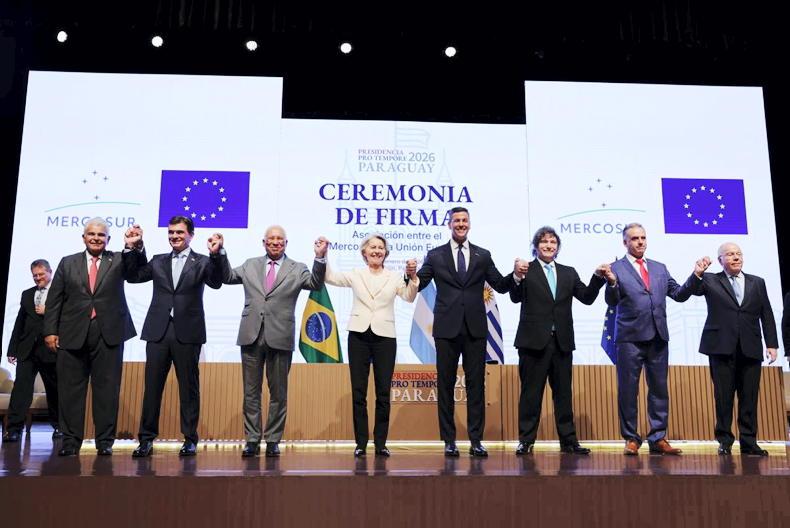
The deal was subsequently signed off by the European Commission president ahead of securing approval by the Parliament.
The notion that the Commission might introduce the deal even provisionally ahead of Parliament making their decision was enough to persuade just enough MEPs to vote in favour of referring the deal to the ECJ.
The question now is where does the deal sit if there is further delay in ratification pending the ECJ reaching a decision.
On one level nothing changes - business can continue under current terms while the court’s decision is awaited.
On the other hand, there is the possibility that the Mercosur countries will at some point give up on the deal and walk away.
Looking at it from their perspective, it would be understandable if they adopted this position. However, given the current fluid situation around global trade, do they have any better options that can be developed while the EU delays the decision process further?
There is nothing in particular that can be brought to fruition within a two-year time frame and the Chinese beef quota, combined with uncertainty around the US, means that they will want to keep a door to Europe open.
Comment – delay not rejection
The delay is a major issue for the European Commission, which wanted the deal for political as well as trade purposes.
The latest difficulties with the US wouldn’t necessarily be solved by the Mercosur trade deal, but if it was in place, it would be a signal that the EU and South American countries were developing their own orbit apart from the US.
While the Parliament’s vote to refer is a setback for the ratification process, it should be noted that the vote wasn’t against the substance of the Mercosur deal itself, rather it is a decision on the role of Parliament itself in a trade deal approval.
The positive aspects of the deal for the wider economy remain well known and accepted at this stage.
Similarly, farmers remain unconvinced that the threat to beef, sugar and poultry has been sufficiently diminished for them to acquiesce on its approval. Referral to the court delays the process, it doesn’t change the debate.
Read more
Mercosur deal put on ice
Mercosur trade deal referred to EU court
Editorial: what now for Mercosur trade deal?
The decision by the European Parliament to refer the Mercosur trade deal to the European Court of Justice (ECJ) is at least another bump on the road to the deal coming into effect.
Typically, it takes the court two years to adjudicate on issues that have been referred to it and it is likely that the ratification process will pause pending their decision.
The decision was close - a margin of 10 on a total vote by 668 members. However, in the Parliament, a simple majority is all that is required so the size of the majority doesn’t matter.
Implications of referral
While Mercosur has been in debate since 1999, there has been a feeling over recent weeks that it was being pushed through.
The failure to get Italy on board before Christmas meant that the decision by member states to approve by qualified majority was delayed until last week.
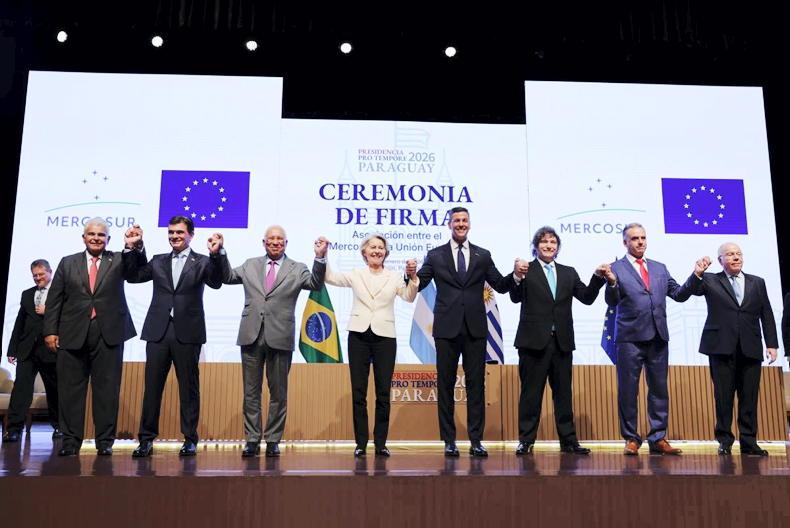
The deal was subsequently signed off by the European Commission president ahead of securing approval by the Parliament.
The notion that the Commission might introduce the deal even provisionally ahead of Parliament making their decision was enough to persuade just enough MEPs to vote in favour of referring the deal to the ECJ.
The question now is where does the deal sit if there is further delay in ratification pending the ECJ reaching a decision.
On one level nothing changes - business can continue under current terms while the court’s decision is awaited.
On the other hand, there is the possibility that the Mercosur countries will at some point give up on the deal and walk away.
Looking at it from their perspective, it would be understandable if they adopted this position. However, given the current fluid situation around global trade, do they have any better options that can be developed while the EU delays the decision process further?
There is nothing in particular that can be brought to fruition within a two-year time frame and the Chinese beef quota, combined with uncertainty around the US, means that they will want to keep a door to Europe open.
Comment – delay not rejection
The delay is a major issue for the European Commission, which wanted the deal for political as well as trade purposes.
The latest difficulties with the US wouldn’t necessarily be solved by the Mercosur trade deal, but if it was in place, it would be a signal that the EU and South American countries were developing their own orbit apart from the US.
While the Parliament’s vote to refer is a setback for the ratification process, it should be noted that the vote wasn’t against the substance of the Mercosur deal itself, rather it is a decision on the role of Parliament itself in a trade deal approval.
The positive aspects of the deal for the wider economy remain well known and accepted at this stage.
Similarly, farmers remain unconvinced that the threat to beef, sugar and poultry has been sufficiently diminished for them to acquiesce on its approval. Referral to the court delays the process, it doesn’t change the debate.
Read more
Mercosur deal put on ice
Mercosur trade deal referred to EU court
Editorial: what now for Mercosur trade deal?









SHARING OPTIONS