


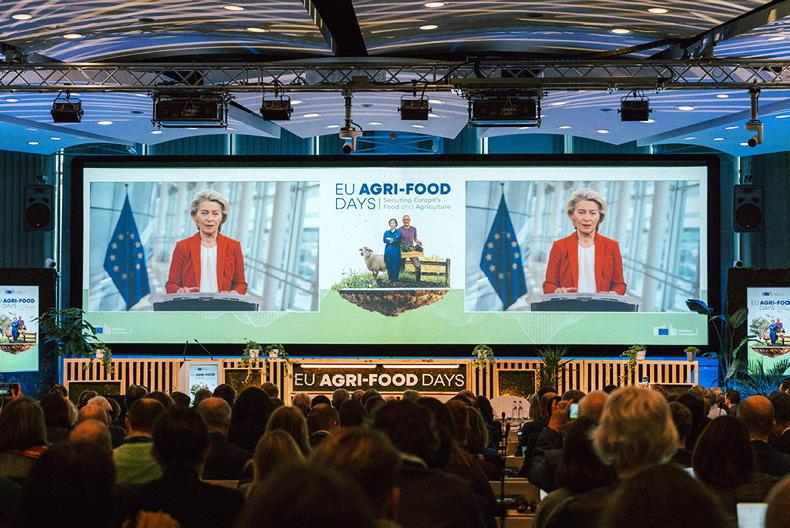
Against the backdrop of will they or won't they ratify the Mercosur trade deal, the now annual EU Agri-Food Days event was held over three days in Brussels last week.
The first day was dominated by the big political issues and included an opening address by video link from Commission President, Ursula von der Leyen with the keynote address delivered by Christophe Hansen, the Commissioner for Agriculture and Food.
There was strong supportive sentiment expressed for farmers and EU food production, but interestingly the CAP debate didn’t reveal any major new thinking or indication of how its budget would be enhanced.
The second day was more about the nuts and bolts of EU agriculture with the launch of the EU Agricultural Outlook 2025-2035.
In her introduction, director general of DG AGRI, Elisabeth Werner said: “the outlook projects slow productivity growth amidst challenges from climate change and higher input costs, while EU agriculture moves towards more sustainable production systems”. The expectation is that the “EU is set to maintain its self-sufficiency while boosting trade in high-value commodities”.
Mixed fortunes across commodities
In general terms, the outlook is broadly positive for dairy, neutral on cereals but the decline over recent years in beef and sheep meat production is expected to continue.
Dairy output is expected to show a slight increase in the supply of milk solids despite the continued decline in dairy cow numbers.
This is due to improvement in feeding practices, technology and genetic developments. It also points to the growing consumer preference for protein-rich, low-fat, low-sugar, and fortified dairy products as influencers on dairy production trends over the next decade.
Herd reduction
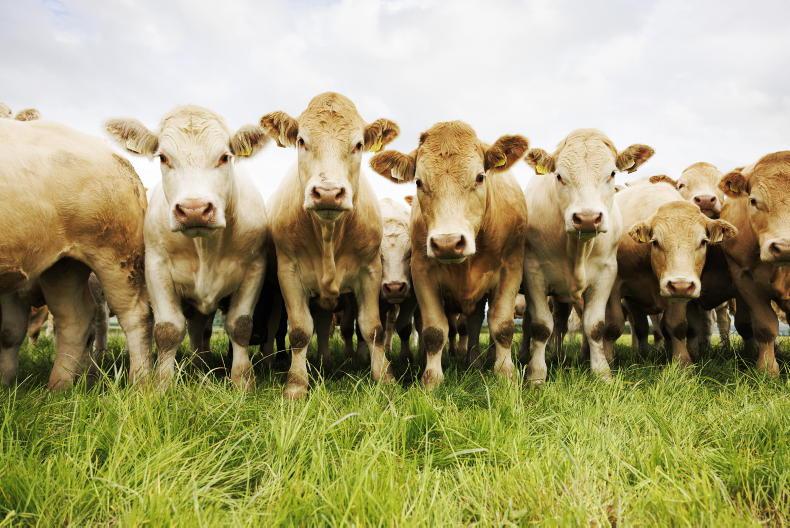
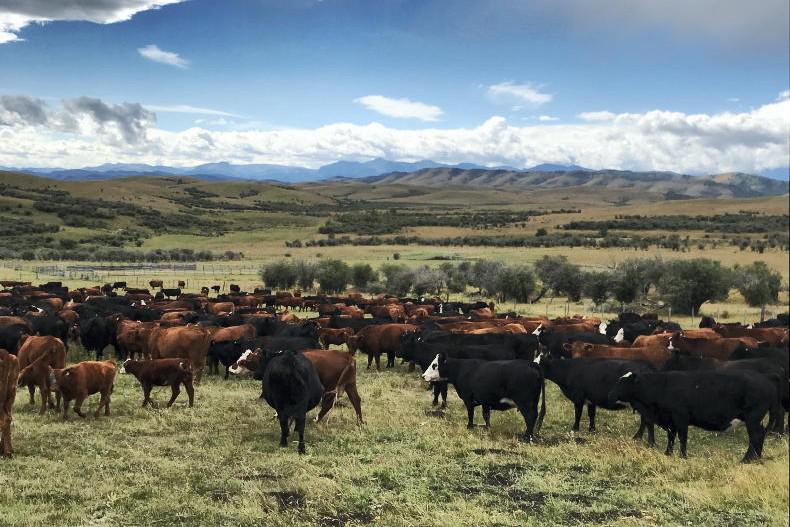
The outlook suggests that beef reduction will continue to decline as a result of ongoing herd reduction, stricter national regulatory frameworks and the problem with generational renewal.
The strong beef price performance of 2025 doesn’t seem to have been considered sufficient to address the decline. It is similar with sheepmeat, with continued gradual decline - but stable consumption may maintain high prices for the product.
Even though pigmeat production has increased recently, it too is likely to decline.
Tighter animal welfare and environmental regulations, combined with reducing export opportunities, especially in China are the reasoning behind this line of thought. Poultry meat consumption and production in the EU is forecast to increase over the decade.
As for cereals, the outlook is for production to increase marginally, driven by improved wheat yields due to technological advances, and demand-driven growth for oats.



SHARING OPTIONS