The latest Worldpanel by Numerator UK data, published by the Agriculture and Horticulture Development Board (AHDB), shows that UK shoppers spent almost 15% more on primary beef cuts in the 12 weeks to 30 November compared with the same period last year.
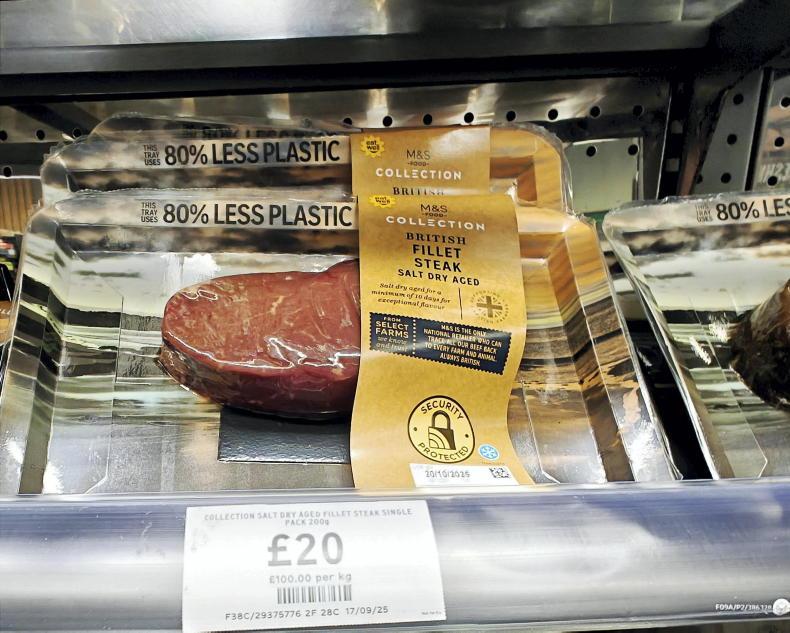
However, they left their supermarket or butchers with 10.7% less beef in their shopping bag because their extra spending was because the average price per kilo was 28.6% higher compared with the same 12-week period in 2024 at £12.49/kg (€14.35/kg).
The biggest average retail price increase has been for mince. In this 12-week period, the average retail price of mince per kilo was £9.52 (€10.94), which is over 37% higher than the corresponding period in 2024.
Therefore, despite shoppers spending just over 22% more on mince purchases during this period, they had almost 11% less product.
Mince is the largest-selling volume category of beef, accounting for 31,600 tonnes (t) of the total 55,100t of primary beef sold during this period.
Lamb performance
UK shoppers spent slightly less on lamb in the 12 weeks to 30 November than they did last year and, as retail prices have increased, this has meant that they have bought less product.
Total spend on primary lamb cuts was down just under 2% at £150m (€172m) during this period, while the volume of product bought was down 7.5% at 11,500t as the average primary lamb in store price increased by 6.1% to £13.07/kg (€15/kg).
Pork attracts value shoppers
Retail sales of total pigmeat, which includes sausages and bacon, in the UK increased in both volume and value in the 12 weeks to 30 November compared with the same period in 2024.
Shoppers spent 3% more and for their money got 1.6% more product than they did in the same 12-week period a year ago.
The average price per kilo across all forms of pigmeat bought by UK consumers was £7.34/kg (€8.43/kg), which is a small 1.4% increase compared with this period in 2024.
Comment – price increase moved through supply chain
The sharp increase in the price of cattle has now found its way through to consumers.
However, what is encouraging is that they are prepared to spend more money on buying beef than they did a year ago, but the reality is that even by doing so, they have less beef home with them.
Retail prices of beef are either close to or at their highest point in the present cycle, as cattle prices in both Britain and Ireland have dropped recently.
Of course, it will take several months for any farmgate price decline to make its way through the supply chain, but, in the meantime, retail price increases should slow down if not stop altogether.
However, it has to be remembered that the livestock price is just one factor in determining the retail price - though it is usually the most volatile one.
Staff wages, energy and distribution costs all contribute to the retail price, so even if cattle or lamb prices fall, we cannot expect a corresponding reduction in retail price.
Lamb remains the most expensive meat and therefore the most discretionary of meat purchases by consumers.
As for pork, the retail price looks increasingly attractive given current beef and lamb prices and shoppers have put more of the product in their baskets during this period.
Read more
Spend increases but volumes fall in UK retail
British shoppers spend more but buy less beef
The latest Worldpanel by Numerator UK data, published by the Agriculture and Horticulture Development Board (AHDB), shows that UK shoppers spent almost 15% more on primary beef cuts in the 12 weeks to 30 November compared with the same period last year.
However, they left their supermarket or butchers with 10.7% less beef in their shopping bag because their extra spending was because the average price per kilo was 28.6% higher compared with the same 12-week period in 2024 at £12.49/kg (€14.35/kg).
The biggest average retail price increase has been for mince. In this 12-week period, the average retail price of mince per kilo was £9.52 (€10.94), which is over 37% higher than the corresponding period in 2024.
Therefore, despite shoppers spending just over 22% more on mince purchases during this period, they had almost 11% less product.
Mince is the largest-selling volume category of beef, accounting for 31,600 tonnes (t) of the total 55,100t of primary beef sold during this period.
Lamb performance
UK shoppers spent slightly less on lamb in the 12 weeks to 30 November than they did last year and, as retail prices have increased, this has meant that they have bought less product.
Total spend on primary lamb cuts was down just under 2% at £150m (€172m) during this period, while the volume of product bought was down 7.5% at 11,500t as the average primary lamb in store price increased by 6.1% to £13.07/kg (€15/kg).
Pork attracts value shoppers
Retail sales of total pigmeat, which includes sausages and bacon, in the UK increased in both volume and value in the 12 weeks to 30 November compared with the same period in 2024.
Shoppers spent 3% more and for their money got 1.6% more product than they did in the same 12-week period a year ago.
The average price per kilo across all forms of pigmeat bought by UK consumers was £7.34/kg (€8.43/kg), which is a small 1.4% increase compared with this period in 2024.
Comment – price increase moved through supply chain
The sharp increase in the price of cattle has now found its way through to consumers.
However, what is encouraging is that they are prepared to spend more money on buying beef than they did a year ago, but the reality is that even by doing so, they have less beef home with them.
Retail prices of beef are either close to or at their highest point in the present cycle, as cattle prices in both Britain and Ireland have dropped recently.
Of course, it will take several months for any farmgate price decline to make its way through the supply chain, but, in the meantime, retail price increases should slow down if not stop altogether.
However, it has to be remembered that the livestock price is just one factor in determining the retail price - though it is usually the most volatile one.
Staff wages, energy and distribution costs all contribute to the retail price, so even if cattle or lamb prices fall, we cannot expect a corresponding reduction in retail price.
Lamb remains the most expensive meat and therefore the most discretionary of meat purchases by consumers.
As for pork, the retail price looks increasingly attractive given current beef and lamb prices and shoppers have put more of the product in their baskets during this period.
Read more
Spend increases but volumes fall in UK retail
British shoppers spend more but buy less beef






SHARING OPTIONS