As revealed on www.farmersjournal.ie today, Northern Ireland and Scotland were granted negligible BSE risk status by OIE at their annual conference in Paris. But what does it mean for farmers?
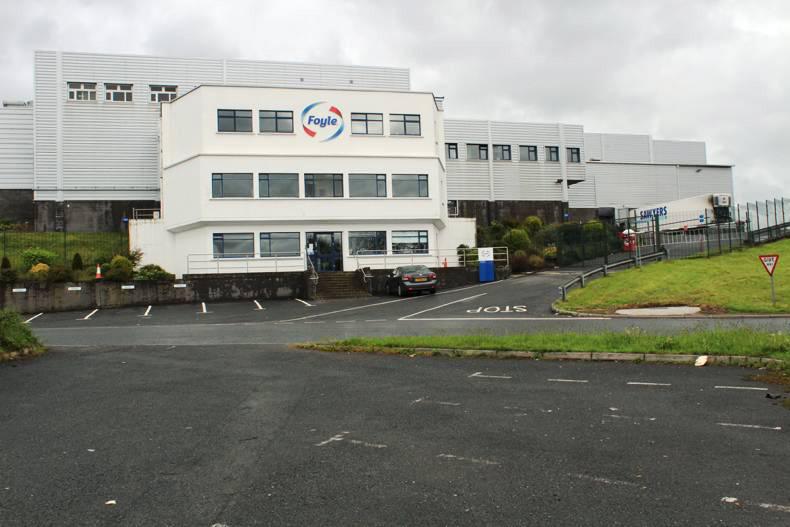
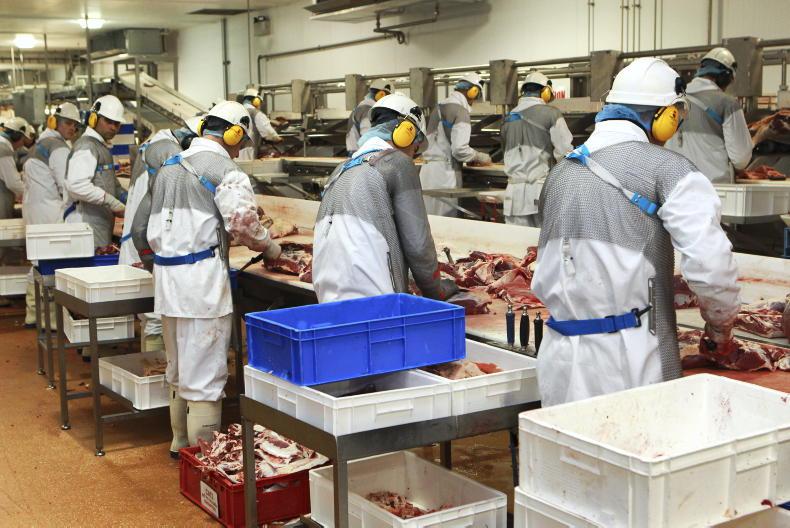
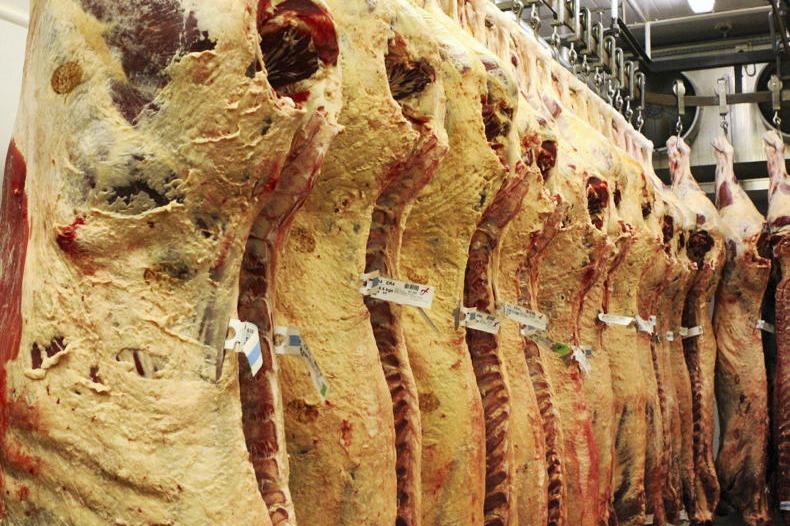
Northern Ireland's factories will now be able to sell negligible risk beef.
ADVERTISEMENT
Northern Ireland and Scotland today received the news that effectively draws a line under the BSE issue after more than two decades. At the OIE annual assembly in Paris, they were recognised as having negligible risk status, the lowest risk category of BSE risk available as classified by the World Animal Health Organisation (OIE).
Farm organisations
The application to OIE was pursued by the processing industries in Northern Ireland and Scotland through their respective veterinary departments and supported by all the farming organisations. England and Wales are like Ireland not currently eligible to apply for negligible risk status.
ADVERTISEMENT
Advantages
The move to negligible risk status as opposed to controlled risk status, the next category up in terms of BSE risk, comes with its advantages to the processing industry, which in turn should be reflected in cattle price. Parts of the offal that have to be disposed of at a cost under controlled risk status are allowed into the food chain under negligible risk, and the issue that many Asian countries in particular have with a thirty-month age restriction for beef coming from controlled risk countries should no longer apply.
Irish case
It will be 2021 before Ireland is eligible to apply for negligible risk status again under present rules
Ireland achieved negligible risk status this time two years ago, only to lose it six weeks later with the finding of a BSE animal in County Louth which meant Ireland reverted to controlled risk status. The same happened in France and it is understood that OIE are looking at whether or not an isolated incident should mean an automatic downgrading of status but there are no reports of progress in this area. It will be 2021 before Ireland is eligible to apply for negligible risk status again under present rules.
The Scottish Association of Meat Wholesalers and the Northern Ireland Meat Exporters Association have welcomed the announcement and paid tribute to the work of the respective veterinary authorities in successfully pursuing the application.
This content is available to digital subscribers and loyalty code users only. Sign in to your account, use the code or subscribe to get unlimited access.
However, if you would like to share the information in this article, you may use the headline, summary and link below:
Title: Analysis: BSE breakthrough for North and Scotland
As revealed on www.farmersjournal.ie today, Northern Ireland and Scotland were granted negligible BSE risk status by OIE at their annual conference in Paris. But what does it mean for farmers?
The reader loyalty code gives you full access to the site from when you enter it until the following Wednesday at 9pm. Find your unique code on the back page of Irish Country Living every week.
CODE ACCEPTED
You have full access to the site until next Wednesday at 9pm.
CODE NOT VALID
Please try again or contact support.
Northern Ireland and Scotland today received the news that effectively draws a line under the BSE issue after more than two decades. At the OIE annual assembly in Paris, they were recognised as having negligible risk status, the lowest risk category of BSE risk available as classified by the World Animal Health Organisation (OIE).
Farm organisations
The application to OIE was pursued by the processing industries in Northern Ireland and Scotland through their respective veterinary departments and supported by all the farming organisations. England and Wales are like Ireland not currently eligible to apply for negligible risk status.
Advantages
The move to negligible risk status as opposed to controlled risk status, the next category up in terms of BSE risk, comes with its advantages to the processing industry, which in turn should be reflected in cattle price. Parts of the offal that have to be disposed of at a cost under controlled risk status are allowed into the food chain under negligible risk, and the issue that many Asian countries in particular have with a thirty-month age restriction for beef coming from controlled risk countries should no longer apply.
Irish case
It will be 2021 before Ireland is eligible to apply for negligible risk status again under present rules
Ireland achieved negligible risk status this time two years ago, only to lose it six weeks later with the finding of a BSE animal in County Louth which meant Ireland reverted to controlled risk status. The same happened in France and it is understood that OIE are looking at whether or not an isolated incident should mean an automatic downgrading of status but there are no reports of progress in this area. It will be 2021 before Ireland is eligible to apply for negligible risk status again under present rules.
The Scottish Association of Meat Wholesalers and the Northern Ireland Meat Exporters Association have welcomed the announcement and paid tribute to the work of the respective veterinary authorities in successfully pursuing the application.
If you would like to speak to a member of our team, please call us on 01-4199525.
Link sent to your email address
We have sent an email to your address. Please click on the link in this email to reset your password. If you can't find it in your inbox, please check your spam folder. If you can't find the email, please call us on 01-4199525.
ENTER YOUR LOYALTY CODE:
The reader loyalty code gives you full access to the site from when you enter it until the following Wednesday at 9pm. Find your unique code on the back page of Irish Country Living every week.







SHARING OPTIONS