


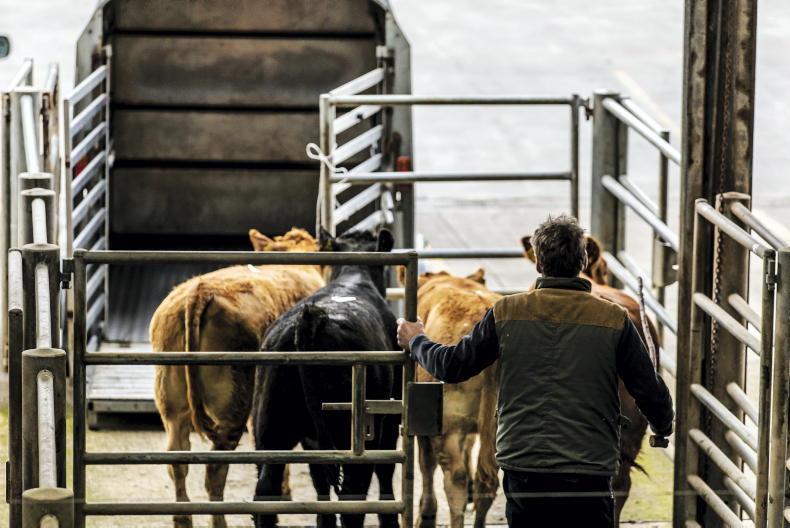
Farmers can sometimes buy in a lot of problems at this time of year when purchasing cattle. Paying attention to a few simple items could help avoid a lot of issues where you are buying in cattle.
It is important that when you arrive at the mart you don’t simply head straight for the sales ring. At best, you will only get 30-60 seconds to look at the animal you are about to purchase. Often you can miss some of the telltale signs that indicate trouble. You should go down to the yard and look at the selection of stock on offer.
The best place to observe stock is at the intake point. Here you will be able to pick out weanlings that have not been weaned properly and/or are very agitated. You will also be able to identify stock that best suit your system. Stay clear of weanlings that are showing any early signs of pneumonia – snotty noses, panting or standing with their neck stretched and tongue out.
Where possible you should talk to the owner of any weanlings you purchase. It is important to try and find out when the calves were last dosed and what level of meal feeding they were on prior to sale. Enquire if animals have been vaccinated against respiratory diseases or blackleg.
Get home from mart ASAP
It’s important that you get your animals home from the mart as soon as possible. At all costs try and avoid having them standing in the mart overnight. Don’t be tempted to overload either the trailer or the lorry when bringing stock home from the mart. If buying bulls and heifers, try to pen them separately.
Well-bedded pen
In most cases you will be returning home from the mart either late in the afternoon or at night so have a pen ready before you go. Put them into a well-bedded and ventilated shed that is free from draughts and has fresh water. Make sure to clean the water trough out if the shed has not been used over the summer. Give animals plenty of lying space and if possible, avoid housing on slats for a few days after purchase.
Avoid mixing weanlings
Where you have a batch of weanlings settled, try to keep them in this group until housing. Where possible, you should avoid adding freshly purchased weanlings into settled groups. By keeping the group size small, you will limit the spread of any diseases that may have been picked up during the selling process. You should aim to feed 2kg of meal for at least two weeks after purchase.
Not only will the meal help them to settle, but it is also an ideal way of identifying sick animals.
Check stock regularly
Early intervention is the key to successfully treating sick weanlings. It’s essential that you check stock at least two to three times per day for the first week after purchase and twice daily thereafter. Always check weanlings first thing in the morning as cold wet nights can trigger a pneumonia outbreak.
Where you suspect an animal to be sick, the first thing to do is check its temperature. A healthy weanling should have a temperature of 38°C. Try not to stress the animal when bringing it into the yard. It is often easier to bring the entire group in.
Dosing programme
If you are unsure of the dosing history of a weanling and suspect it to have a heavy worm burden, do not move in with an Avermectin-based drench right away. Treating an animal with a heavy worm burden using an Avermectin-based wormer can actually cause a pneumonia outbreak due to increased stress levels associated with discharging of the dead worms from the lungs.
Wait for a few days after purchase and then treat with either a white drench or a Levamisole-based product. These products have a reduced worm kill and are not as severe on the animal.
Levamisole-based products have also been shown to help boost the animals’ immune system. However, as they provide no residual cover, you will need to treat animals with an Avermectin-based dose two to three weeks pre-housing.
Do not castrate after purchase
You should avoid castrating bull weanlings for at least two weeks after purchase. The added stress can lead to health problems. Remember, under EU regulations, calves over six months of age must be castrated by a veterinary surgeon.



SHARING OPTIONS