


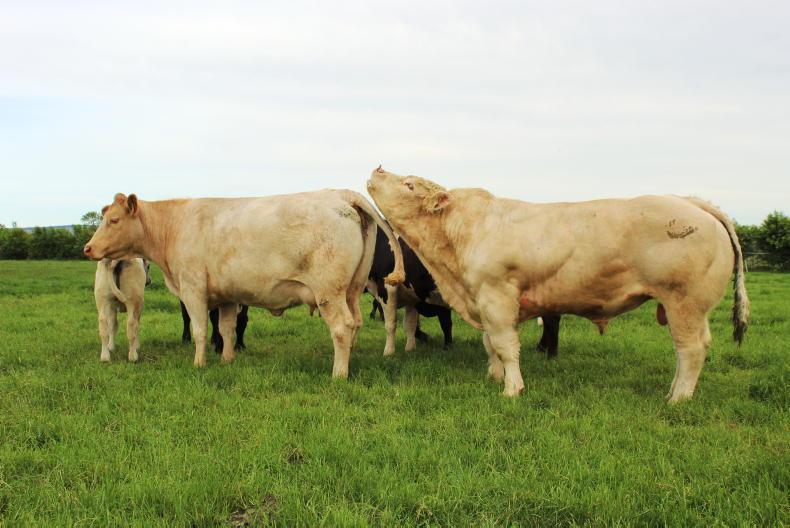
Preparing for breeding: While it may seem over-enthusiastic to be talking about breeding while many farms still have a large proportion of cows to calve, like everything to do with farming – preparation is half the battle. The first port of call is to ensure cows are on a rising plain of nutrition and are hitting a BCS of at least 2.5 at breeding time.
First-calving heifers, in particular, are prone to not hit this target and can quickly fall out of the system. If these have not been turned out to grass yet, then they should be earmarked for the first group of stock to be turned out. In the meantime, they should be offered the best-quality silage available, alongside 2kg of meal/head/day. Any cows indoors seen to be losing body condition should be treated in a similar manner.
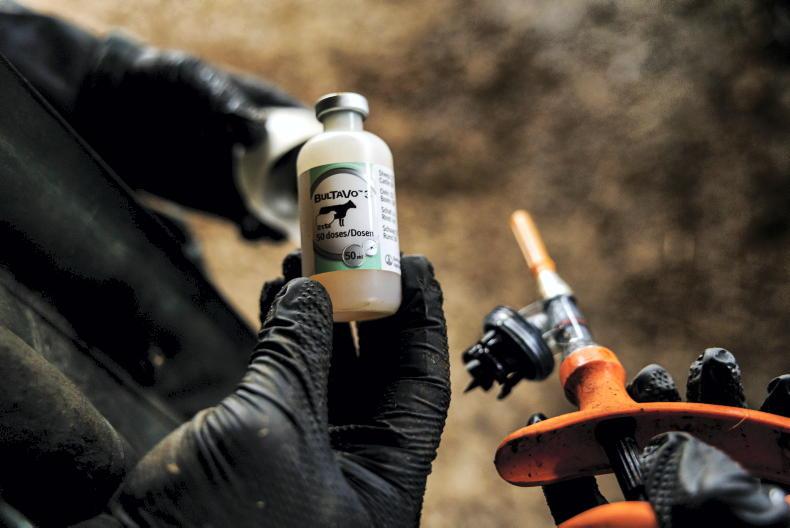
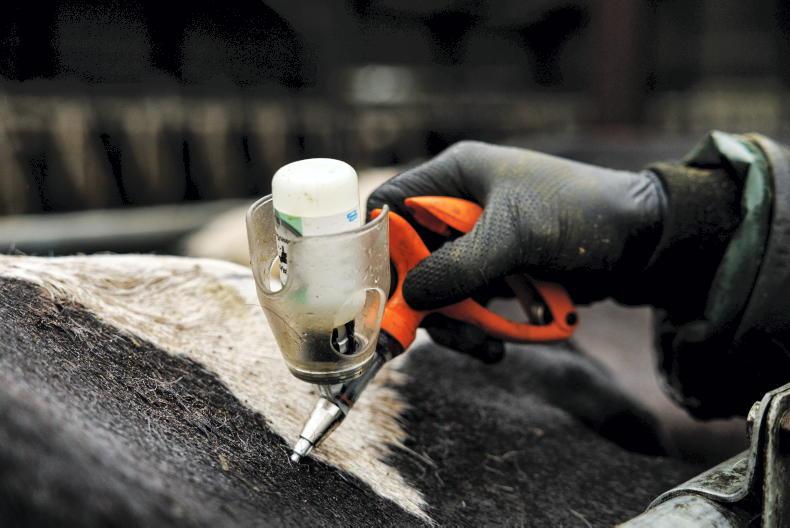
Vaccinations should also be on the agenda. Where vaccinating for BVD and Lepto, then the annual booster shot will be required to be given up to two weeks ahead of breeding. The bigger issue is for any stock coming in unvaccinated, which will require a primary shot following the booster shot.
These should generally be given four weeks apart, meaning if your planned breeding date for these unvaccinated cattle is anywhere between 22 to 30 April, you will have to be going with the primary shot this week.
Purchasing stock bulls: Young stock bulls are an expensive commodity, but what’s more expensive is failing to look after them properly and seeing the results come through in a poor scan.
The biggest issue seen with young bulls coming into a herd is the change in diet. Bulls presented for sale are on a concentrate diet of 10kg + in many cases, and a dramatic change in diet can lead to a dramatic fall-off in body condition exactly when we need to be keeping bulls in good order to produce healthy, vigorous sperm, which are developed roughly eight weeks prior to breeding.
Keep bulls in comfortable conditions with access to rubber-matted or bedded floors and plenty of high-quality forage, alongside concentrates which can be gradually phased out to the rate of 1-1.5/kg/week ahead of breeding. The same situation exists for unvaccinated breeding bulls as it does for cows/heifers listed above, so these shots should be given shortly.
Calf calculator: This week in our special 10-week calf focus, Aidan Brennan goes through the economics of rearing calves through to finishing. Some high calf prices over the last few weeks did leave people scratching their heads, but prices contracted in the last week or so as more calves come on stream.
Some of the critical things to note is that a high level of management, good liveweight gains and the correct purchase price are all essential to make calf rearing pay. While purchase price may seem for dairy beef to be a more lucrative option than buying suckler weanlings, there are plenty of costs associated with it. For more information, see p32.


SHARING OPTIONS