


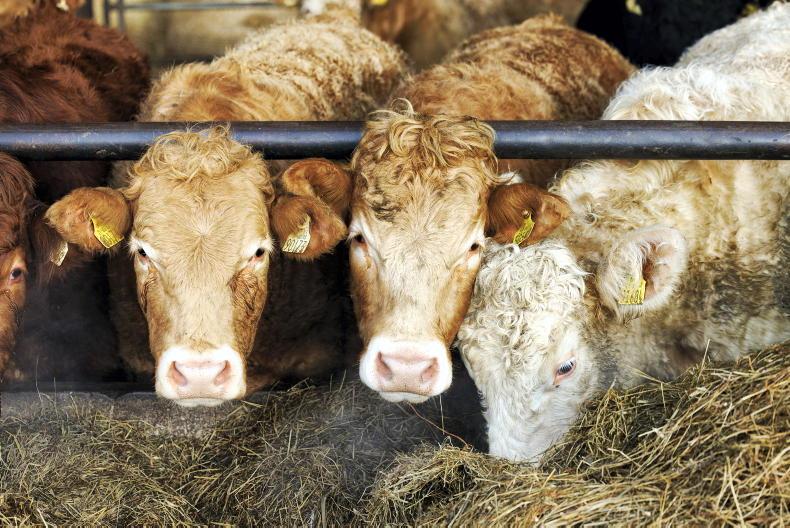
Weighing weanlings: Hopefully weanlings were weighed at housing, and now that they are inside for a month or more, it will be easy to see where exactly they are as regarding thrive.
The target should be for a pen of weanlings to average 0.7kg of daily liveweight gain – even at this, half of your weanlings are going to be gaining less than 0.7kg/day.
The Beef Welfare Scheme has meant more weanlings are trained in to eating meal pre-housing than before, which is helping with that transition indoors, but silage quality is still probably the biggest barrier when it comes to weanling gain.
At a minimum, silage quality for weanlings should be 70% DMD and ideally higher.
Even a this 1-1.5kg/meal/head will have to be fed. It is estimated that every drop in DMD is the equivalent of 0.5kg meal, meaning a farmer feeding 66% DMD silage would have to feed 3kg/head/day to achieve similar gain as the person with 70% DMD silage at 1kg/head/day. If you don’t know what quality your silage is, get it tested.
While it’s not possible to turn back the clocks, many farmers report good success where meal was front loaded at the beginning of winter (2kg/head fed for the first eight weeks and 1kg fed for second half of winter).
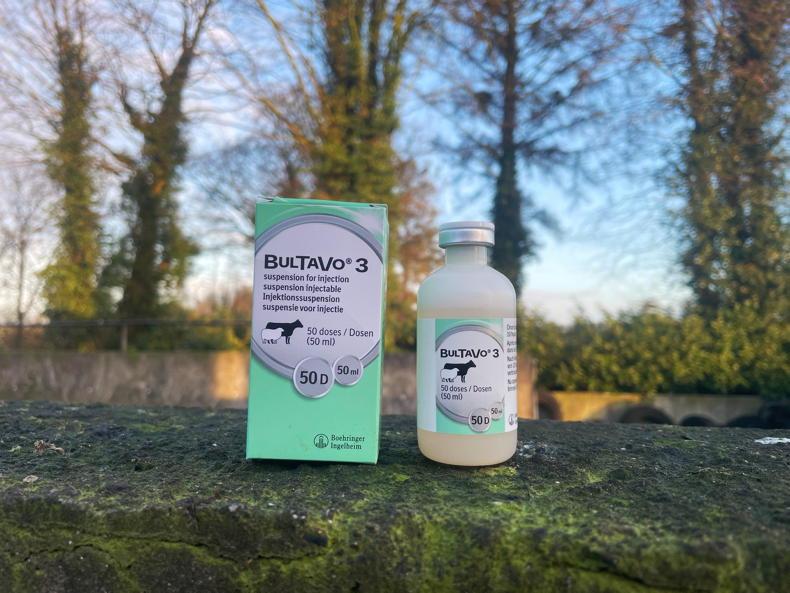
Scour vaccine: Scour vaccines are invaluable tool for those that have suffered with scour problems before, but like any vaccine they are only an aid for good management.
Most vaccines can be administered from three to 12 weeks pre-calving for annual boosters, while those who are initiating a programme for the first time will give a subsequent shot some weeks after, with each manufacture having a recommended timeline for both.
The crypto vaccine that came on to the market last winter ahead of calving 2025 is generally for farms that have experienced crypto issues in the past, which can decimate a calf crop.
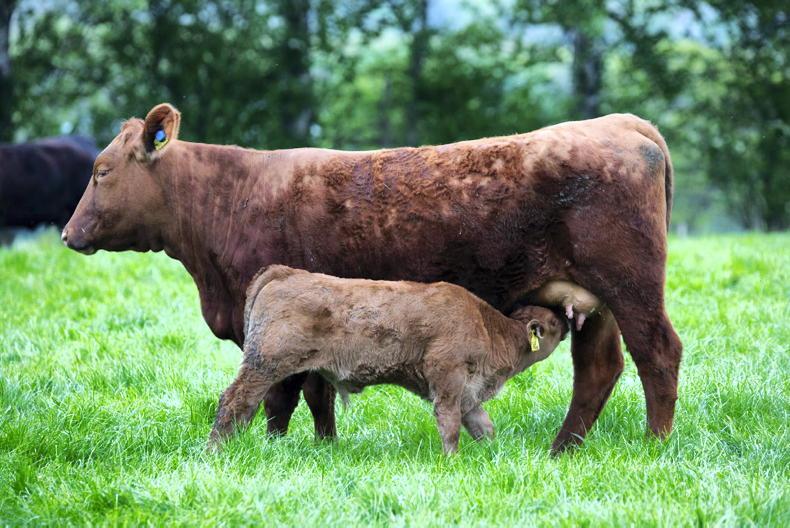
The really critical thing with vaccines is colostrum; this is how the cow will pass on the antibodies to the calf. A calf not receiving sufficient colostrum or receiving it from another source (powder/dairy farmer not vaccinating) will not receive those antibodies. The 3-2-1 rule is a useful guide, where three litres of colostrum is given within two hours in one feed.
Lice: As treatments will only kill hatched lice, if cattle were treated at housing and a large proportion of lice eggs were present, a second treatment will be necessary.
Some products will also have a residual activity of just five to six weeks, so second treatments may be needed where product was applied two months ago. There are two types of lice that affect cattle: biting and suckling lice.
Mange mites may also be an issue. Not all products that will kill suckling lice will kill biting lice.
Clipping cattle along the back and neck will also help to reduce lice activity.
Remember to treat the whole shed if going in with a treatment. Treating a pen or two won’t make any difference as lice will spread from pen to pen.



SHARING OPTIONS