


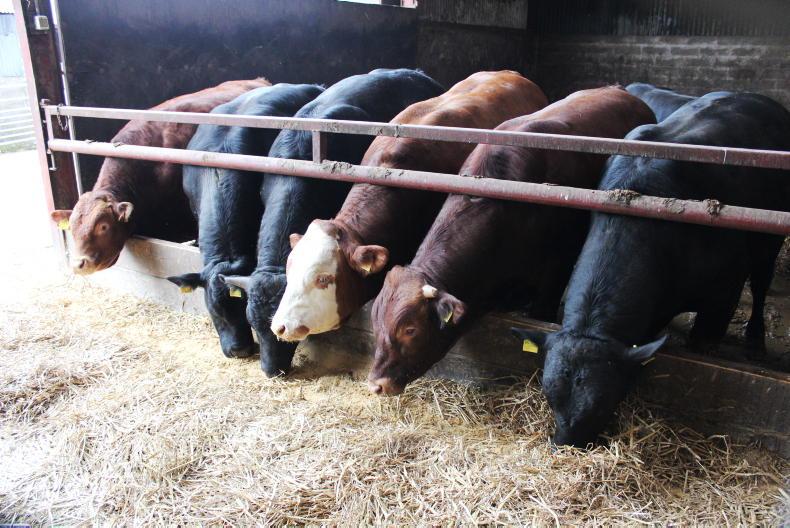
Young bulls: bulls for under 16-month bull beef will be coming close to entering a finishing diet.
The critical thing with any animal being introduced to high levels of concentrates is that it is done on a phased basis to reduce stomach upsets.
Most young bulls will be on 3-5kg at the minute and will likely finish anywhere between 12-15kg of a concentrate intake before slaughter. Ideally, concentrates should be gently increased at no more than 3kg/week or 0.5kg/day.
As concentrate levels increase, bulls will have increased intakes of water, so ensure that clean, fresh water is available at all times. Bulls on a drier mixed feed, as opposed to a pelleted feed, can be prone to depositing mouthfuls of concentrates in to water troughs as they drink, so ensure that troughs are checked daily.
Regarding forage, while concentrate levels are still relatively low, high-quality forage should still be offered ad-lib to young bulls (70 DMD +), while small volumes of straw can be also available.
As concentrate levels increase, then so too can the use of silage, with forage such as hay, haylage or straw mostly used for fibre once a bull is eating ad-lib.
Space is also critical, as bulls will increase in size dramatically over the next four to six months.
Leaving 2.5-2.9m² of lying space per bull on slats should suffice. It’s important that bulls are batched and penned now, and mixing is avoided as bulls get older and more aggressive.
Purchasing calves: preparation is well under way for dairy beef farmers set to purchase this year’s crop of calves over the coming weeks.
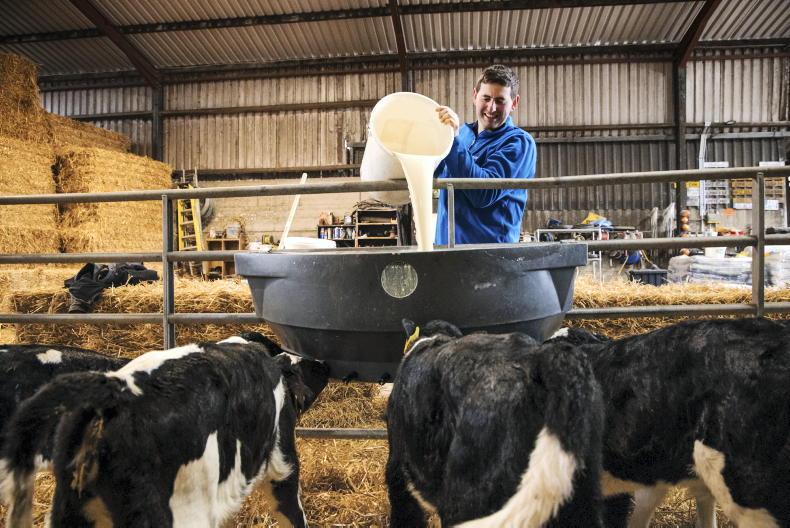
On p33, I outline some of the accommodation factors that can be taken into consideration ahead of calves arriving on-farm, with ventilation and a clean, dry lying space being two of the most critical.
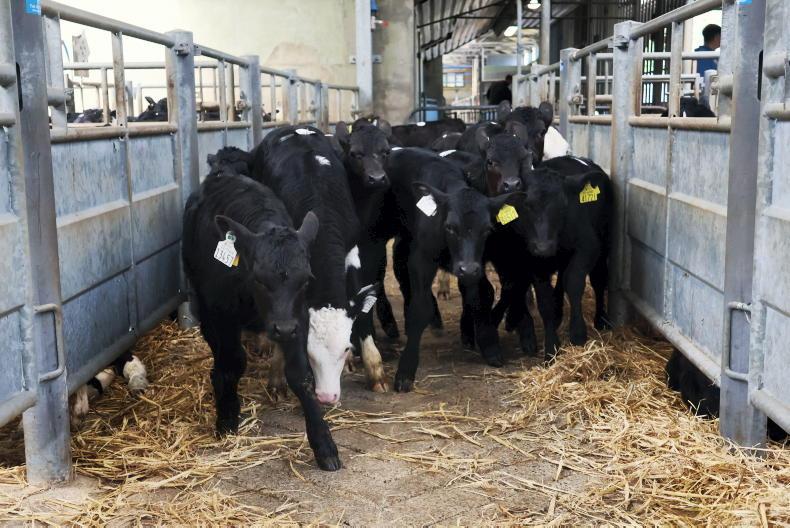
When it comes to purchasing, buying direct from the dairy farmer is always best from a disease point of view. In this way, you purchase from a limited number of herds, with calves not mixing with huge volumes of other calves, as they would do in a mart.
Purchasing direct from the farm also allows you to ask questions regarding their vaccination programme, and while you have to take a seller’s word for it in a lot of cases, you will soon find out which calves do come from vaccinated herds. Allow calves to rest when they arrive back to your farm, and opt to give water and electrolytes for the first feed.
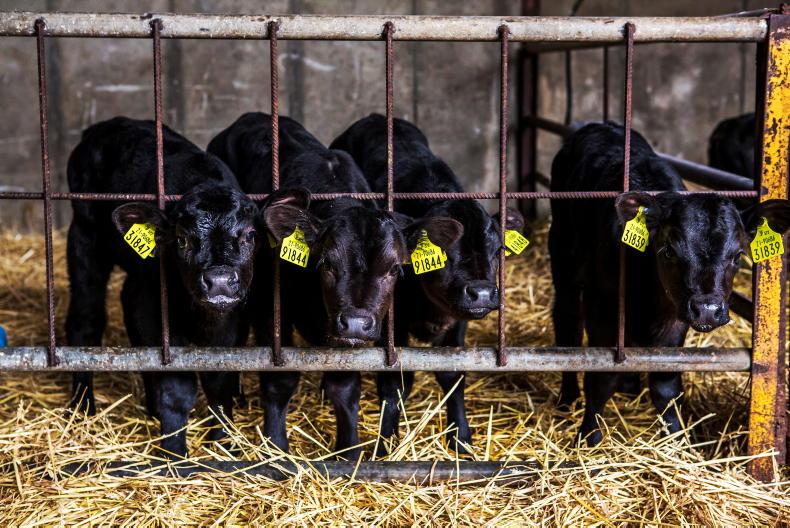
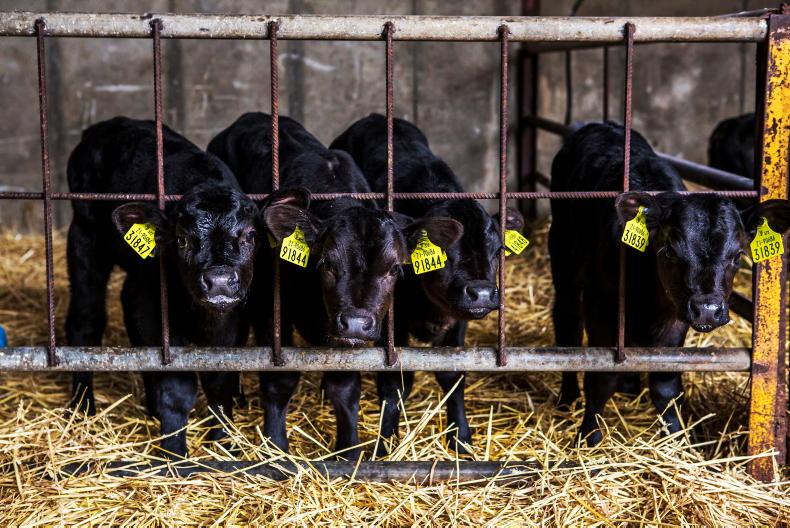
Tagging: tagging companies are hitting peak distribution at the minute ahead of the busy calving period. It’s important that you have sufficient tags on-farm to ensure a smooth calving period.
While a farmer has 20 days to tag and 27 days to register a calf, tagging in the first few days of life allows for easier management (tag associated with relevant dam), while having tags to hand allows for the swift disposal of and calves that die or are aborted.
Ensure calves are properly restrained, avoid hitting any of the veins in the ear and ideally use a disinfectant on the piercing part of the tag.



SHARING OPTIONS