Last week, beef editor Adam Woods took a look at dairy-calf-to-beef purchase and what to look out for when buying calves. This week, he takes a look at transporting the calf and management on arrival.
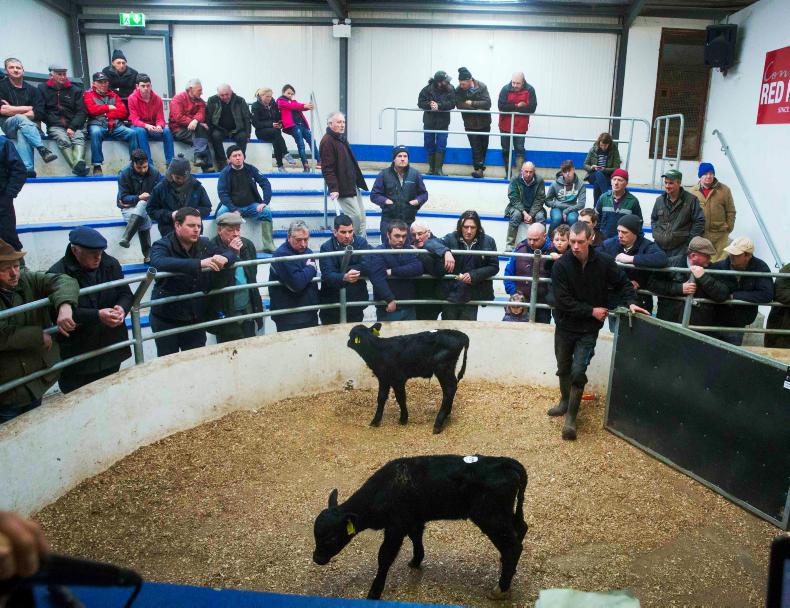
New Ross Mart calf and cattle sale.\ Patrick Browne
ADVERTISEMENT
Calf transport
With thousands of calves moving from dairy farms to marts and beef farms in the coming weeks, stress levels and exposure to disease should be kept to a minimum.
Under Department of Agriculture regulations, calves must not be moved from the holding of birth before the calf reaches 10 days of age.
ADVERTISEMENT
The calf must also be healthy and free from disease before movement.
Make sure all paperwork is completed for farm-to-farm sales.
There are a couple of points to note around calf movement:
Ensure the trailer is washed down and disinfected between loads of calves.
Make sure the trailer has a good bed of straw in it or wood shavings.
Use a dividing gate to minimise group size and reduce stress during calf transport.
Use a covered trailer with side vents.
Don’t overload the trailer.
Get the calves home and off the trailer as quickly as possible.
Calf arrival
When calves arrive on the farm, it’s important to get them settled into their new surroundings as quickly as possible.
Good stockmanship and supervision for the first few days is extremely important.
Regardless of the feeding method implemented on the farm, there are several factors that are within the calf rearers' control to ensure calf health and growth rates are kept to a maximum.
Key points for newly purchased calves:
Unload immediately on arrival.
House in separate air space to other older stock on the farm.
Group according to age and size.
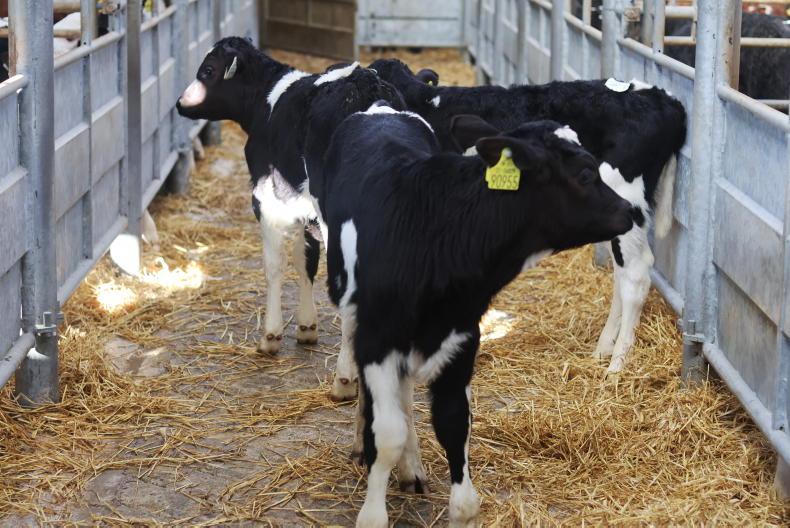
Pen in groups of no more than eight.
Don’t mix with other older home-reared calves.
Separate slow or timid drinkers into separate pens.
Pens/accommodation should be:
Be cleaned and disinfected between groups.
Be rested for seven to 10 days between groups.
Be bedded in a deep bed of straw.
Be bedded daily during the rearing stage.
Be free from draughts.
Don’t over-stock sheds – 1.1m2/calf up to eight weeks of age.
Have adequate feeding space – 350mm per calf.
Make sure there is a supply of fresh clean water – for every 1kg of concentrate consumed, a calf will drink five litres of water.
Register for free to read this story and our free stories.
This content is available to digital subscribers and loyalty code users only. Sign in to your account, use the code or subscribe to get unlimited access.
However, if you would like to share the information in this article, you may use the headline, summary and link below:
Title: Management of the calf on arrival
Last week, beef editor Adam Woods took a look at dairy-calf-to-beef purchase and what to look out for when buying calves. This week, he takes a look at transporting the calf and management on arrival.
The reader loyalty code gives you full access to the site from when you enter it until the following Wednesday at 9pm. Find your unique code on the back page of Irish Country Living every week.
CODE ACCEPTED
You have full access to the site until next Wednesday at 9pm.
CODE NOT VALID
Please try again or contact support.
Calf transport
With thousands of calves moving from dairy farms to marts and beef farms in the coming weeks, stress levels and exposure to disease should be kept to a minimum.
Under Department of Agriculture regulations, calves must not be moved from the holding of birth before the calf reaches 10 days of age.
The calf must also be healthy and free from disease before movement.
Make sure all paperwork is completed for farm-to-farm sales.
There are a couple of points to note around calf movement:
Ensure the trailer is washed down and disinfected between loads of calves.
Make sure the trailer has a good bed of straw in it or wood shavings.
Use a dividing gate to minimise group size and reduce stress during calf transport.
Use a covered trailer with side vents.
Don’t overload the trailer.
Get the calves home and off the trailer as quickly as possible.
Calf arrival
When calves arrive on the farm, it’s important to get them settled into their new surroundings as quickly as possible.
Good stockmanship and supervision for the first few days is extremely important.
Regardless of the feeding method implemented on the farm, there are several factors that are within the calf rearers' control to ensure calf health and growth rates are kept to a maximum.
Key points for newly purchased calves:
Unload immediately on arrival.
House in separate air space to other older stock on the farm.
Group according to age and size.
Pen in groups of no more than eight.
Don’t mix with other older home-reared calves.
Separate slow or timid drinkers into separate pens.
Pens/accommodation should be:
Be cleaned and disinfected between groups.
Be rested for seven to 10 days between groups.
Be bedded in a deep bed of straw.
Be bedded daily during the rearing stage.
Be free from draughts.
Don’t over-stock sheds – 1.1m2/calf up to eight weeks of age.
Have adequate feeding space – 350mm per calf.
Make sure there is a supply of fresh clean water – for every 1kg of concentrate consumed, a calf will drink five litres of water.
If you would like to speak to a member of our team, please call us on 01-4199525.
Link sent to your email address
We have sent an email to your address. Please click on the link in this email to reset your password. If you can't find it in your inbox, please check your spam folder. If you can't find the email, please call us on 01-4199525.
ENTER YOUR LOYALTY CODE:
The reader loyalty code gives you full access to the site from when you enter it until the following Wednesday at 9pm. Find your unique code on the back page of Irish Country Living every week.






SHARING OPTIONS