Last week, ICBF published the September evaluations for the Economic Breeding Index (EBI) which incorporated two major changes to the index: updates to the base cow and changes to the economic values.
The change to the base cow has meant that the average EBI of all animals has decreased by €97.
While many farmers will be surprised to see their herd EBI drop, the reduction is totally expected. This is because the base cow that the index is based on, has been updated.
The last time that the base cow was changed was in 2015 and ICBF say that it is something which they plan to do every 10 years.
By itself, the base change makes no difference to the index, all that it is changing is the comparison factor.
Up to now, the base cow was the average of all cows born in 2005 that were milk recorded in 2007.
The change this year is that the base cow is now the average of all cows born in 2015 that were milk recorded in 2017, 2018 and 2019.
This means that the age difference between an animal alive today and the base cow has reduced.
Because the EBI increases over time by about €10/year, the difference between the base cow born in 2015 and base cow born in 2005 is €97.
Therefore, the EBI of all animals has reduced by €97.
It’s important to say that this is not an admission or acceptance by ICBF that the EBI was over estimated, it’s simply the outcome of the base change. ICBF could decide that it’s not going to change the base at all.
That would ultimately result in herds having EBI’s in excess €1,000 whereas changing the base cow every 10 years or so makes the EBI more relevant.
Coinciding with the base change, ICBF and Teagasc have updated the economic values used to calculate the EBI. Updates to these changes are made periodically to reflect changes to future expectations.
The new values are based on assumptions of output values and costs in 2030, which means the EBI is looking to the future.
This is important because breeding is a slow game, as AI bulls used next year, won’t have heifers milking until 2029.
The main change to the economic values is to increase the value of fat and protein kilos, increase the negative value of kilos of milk, increase the value of beef and to increase production costs such as feed, fertiliser, labour and so on.
As a result of the changes to the economic values, most herds should see the EBI of their herds increase.
Because the change to the economic values is happening at the same time as the changes to the base cow, it really only means that the EBI is not falling by as much, with the average drop in EBI of €83/cow, while the base cow change by itself would have accounted for a €97 drop.
Changes have also been made to the maintenance sub-index.
Up to now, the cost of rearing replacement heifers has been carried in the beef sub-index, but this is now moving to the maintenance sub-index.
Prior to this change, the maintenance sub-index was 100% related to the cost of maintaining the cow, but this is now reduced to 63% and the cost of growing a replacement makes up 37% of the rest of the sub-index.
ICBF say that moving the cost of rearing replacements to the maintenance sub-index is a more natural home for this cost.
However, it does mean that the value of the maintenance sub-index has increased. The average value for maintenance sub-index before the change was €14, but it is now €22 after the changes.
It is still possible to work out the expected liveweight for cows from the maintenance sub-index, but the formulas have changed.
ICBF have created a ready reckoner for farmers to work out the expected mature liveweight from the maintenance sub-index, this tool is available on the ICBF website. A 530kg cow, will have a maintenance sub-index of €41.
Details of the top and bottom 1%, 5%, 10%, 25% and the average EBI and milk and fertility sub-index of youngstock and cows is outlined in Table 1. As can be seen, the average EBI of cows is now €109 with €19 for milk and €37 for fertility sub-index.
The top 10% of cows have an EBI of €188 while the bottom 10% of cows have an EBI of -€17. For youngstock, calves born in 2025 have an average EBI of €168 while the average EBI of replacements born in 2024 is €150.
According to the ICBF, the average drop in EBI among the top 100 bulls in the active bull list is €82, with the average EBI of the top 100 bulls now at €243 with €66 for milk and €102 for fertility. There has been some re-ranking of bulls, based on the changes to the economic values but also due to more progeny information being available as part of the September evaluation.
One of the big talking points since the publication of the changes is around the base cow, and if this type of animal is fit for purpose.
The new base cow has a 305-day milk yield of 6,287kg at 4.2% fat and 3.6% protein, producing 490kg MS per annum.
In terms of fertility, the base cow has a 385-day calving interval and survival rate of 85.6%, meaning she has a 14.4% chance of not surviving from one lactation to the next.
These figures are based on the average of the milk recording and fertility data for cows born in 2015 and milk recorded in 2017, 2018 and 2019.
It’s not a target or something for farmers to aim for when it comes to performance, it is simply the average performance of that cohort of cows which the index is now based on.
One of the challenges as I see it, is that the base cow has high milk volume relative to milk solids production.
We don’t know what the average level of meal or other feed is for these cows so we don’t know how efficient the animal is.
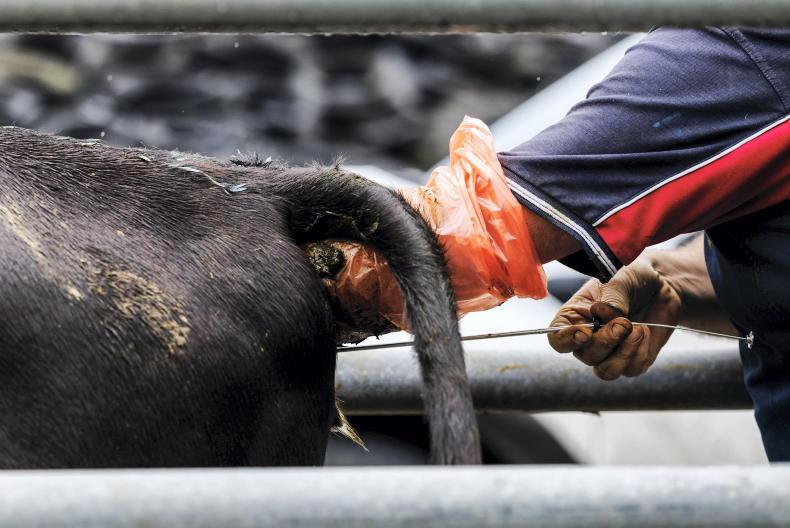
With the updates to the base, all animals are now being compared against this group of cows.
Because they have a high figure for milk kg, it means more cows and more herds are now going to have a negative milk kg figure.
This will apply to all animals or herds with a lower genetic merit for milk volume.
According to ICBF, 60% of herds are now negative for milk kg, but the important thing to remember is that this milk kg figure has very little correlation with milk solids or profit.
In fact, high milk volume has a negative weighting on the A+B-C milk payment system.
The PTA for milk kg is a very good indicator of milk volume, but it’s a poor indicator of milk solids and milk value, with Kevin Downing from ICBF saying that the milk sub-index is the best indicator of milk solids.
It’s a mistake for farmers or AI companies to only focus on positive milk kg when choosing bulls, or to disregard bulls with a negative milk kg figure.
Doing so will seriously limit the choice available as over 80% of the top 100 bulls on the active bull list have a negative PTA for milk kg.
In fact, based on the fact that the top band in nitrates is set at 6,500kg of milk, the base cow is getting close to this in terms of milk yield.
Therefore, farmers that use bulls that are positive for milk volume are breeding towards the top band for nitrates.
The trick is to produce more milk solids, not milk volume and this can be achieved by focusing on the milk sub-index and the PTA for fat and protein both in terms of kilo and also percentages.
A number of farmers have been asking about what the future targets should be in terms of milk solids and percentages.
Take a farmer that had a target in the past of say +30kg milk solids and +0.3% fat and +0.2% protein when picking bulls.
To get the same lift, a farmer would now need to pick bulls that are +17kg in milk solids (fat kg and protein kg) and +0.23% fat and +0.15% protein.
Changes to the numbers
and names of the top bulls
The highest EBI bull currently available, based on the September 2025 evaluation is Crefogue Topbike with an EBI of €324, down €33 from his previous evaluation. This relatively small reduction in EBI has bucked the national trend, putting the NCBC owned bull into top spot.
Table 2 highlights the top 25 bulls in Ireland for EBI. These bulls have an average EBI of €290, with €80 for milk sub-index and €123 for fertility sub-index. Interestingly, the average PTA for milk kilos for this group of top bulls is now -105kg, with only a handful of bulls having a positive milk figure. ICBF say farmers should ignore the milk PTA figure and concentrate on the milk sub-index when picking bulls.
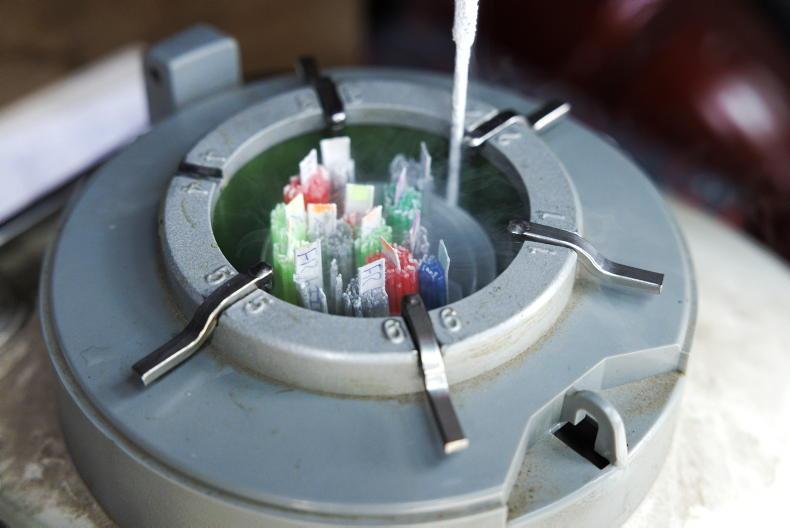
The list excludes 2025 born bulls, hundreds of which have been purchased by AI companies and will be put forward for the Gene Ireland programme and as young test bulls by the AI companies. The EBI of these bulls is not yet publicly available but it is expected that they will be announced after the November evaluation.
Meanwhile, ICBF have said that they are not yet aware of any cross-licensing agreements between the AI companies around the purchase of IP (intellectual property) protected bulls and heifers. Last spring, the main AI companies announced they were changing the terms and conditions of the purchase of AI, to prevent farmers from selling the progeny of the 2024 born bulls to competing AI stations.
At the time, each company said they would enter cross-licensing agreements with each other to ensure they could continue purchasing progeny that is IP protected. It is expected that the number of IP protected bulls on sale will more than double next year.
ICBF and Teagasc have made significant changes to the EBI by updating the base cow information and economic values. The result is that all EBI’s are dropping, but there is limited change in the rankings, with high EBI animals still high EBI. The make-up of the maintenance sub-index has changed, with the cost of rearing replacements now included.
Last week, ICBF published the September evaluations for the Economic Breeding Index (EBI) which incorporated two major changes to the index: updates to the base cow and changes to the economic values.
The change to the base cow has meant that the average EBI of all animals has decreased by €97.
While many farmers will be surprised to see their herd EBI drop, the reduction is totally expected. This is because the base cow that the index is based on, has been updated.
The last time that the base cow was changed was in 2015 and ICBF say that it is something which they plan to do every 10 years.
By itself, the base change makes no difference to the index, all that it is changing is the comparison factor.
Up to now, the base cow was the average of all cows born in 2005 that were milk recorded in 2007.
The change this year is that the base cow is now the average of all cows born in 2015 that were milk recorded in 2017, 2018 and 2019.
This means that the age difference between an animal alive today and the base cow has reduced.
Because the EBI increases over time by about €10/year, the difference between the base cow born in 2015 and base cow born in 2005 is €97.
Therefore, the EBI of all animals has reduced by €97.
It’s important to say that this is not an admission or acceptance by ICBF that the EBI was over estimated, it’s simply the outcome of the base change. ICBF could decide that it’s not going to change the base at all.
That would ultimately result in herds having EBI’s in excess €1,000 whereas changing the base cow every 10 years or so makes the EBI more relevant.
Coinciding with the base change, ICBF and Teagasc have updated the economic values used to calculate the EBI. Updates to these changes are made periodically to reflect changes to future expectations.
The new values are based on assumptions of output values and costs in 2030, which means the EBI is looking to the future.
This is important because breeding is a slow game, as AI bulls used next year, won’t have heifers milking until 2029.
The main change to the economic values is to increase the value of fat and protein kilos, increase the negative value of kilos of milk, increase the value of beef and to increase production costs such as feed, fertiliser, labour and so on.
As a result of the changes to the economic values, most herds should see the EBI of their herds increase.
Because the change to the economic values is happening at the same time as the changes to the base cow, it really only means that the EBI is not falling by as much, with the average drop in EBI of €83/cow, while the base cow change by itself would have accounted for a €97 drop.
Changes have also been made to the maintenance sub-index.
Up to now, the cost of rearing replacement heifers has been carried in the beef sub-index, but this is now moving to the maintenance sub-index.
Prior to this change, the maintenance sub-index was 100% related to the cost of maintaining the cow, but this is now reduced to 63% and the cost of growing a replacement makes up 37% of the rest of the sub-index.
ICBF say that moving the cost of rearing replacements to the maintenance sub-index is a more natural home for this cost.
However, it does mean that the value of the maintenance sub-index has increased. The average value for maintenance sub-index before the change was €14, but it is now €22 after the changes.
It is still possible to work out the expected liveweight for cows from the maintenance sub-index, but the formulas have changed.
ICBF have created a ready reckoner for farmers to work out the expected mature liveweight from the maintenance sub-index, this tool is available on the ICBF website. A 530kg cow, will have a maintenance sub-index of €41.
Details of the top and bottom 1%, 5%, 10%, 25% and the average EBI and milk and fertility sub-index of youngstock and cows is outlined in Table 1. As can be seen, the average EBI of cows is now €109 with €19 for milk and €37 for fertility sub-index.
The top 10% of cows have an EBI of €188 while the bottom 10% of cows have an EBI of -€17. For youngstock, calves born in 2025 have an average EBI of €168 while the average EBI of replacements born in 2024 is €150.
According to the ICBF, the average drop in EBI among the top 100 bulls in the active bull list is €82, with the average EBI of the top 100 bulls now at €243 with €66 for milk and €102 for fertility. There has been some re-ranking of bulls, based on the changes to the economic values but also due to more progeny information being available as part of the September evaluation.
One of the big talking points since the publication of the changes is around the base cow, and if this type of animal is fit for purpose.
The new base cow has a 305-day milk yield of 6,287kg at 4.2% fat and 3.6% protein, producing 490kg MS per annum.
In terms of fertility, the base cow has a 385-day calving interval and survival rate of 85.6%, meaning she has a 14.4% chance of not surviving from one lactation to the next.
These figures are based on the average of the milk recording and fertility data for cows born in 2015 and milk recorded in 2017, 2018 and 2019.
It’s not a target or something for farmers to aim for when it comes to performance, it is simply the average performance of that cohort of cows which the index is now based on.
One of the challenges as I see it, is that the base cow has high milk volume relative to milk solids production.
We don’t know what the average level of meal or other feed is for these cows so we don’t know how efficient the animal is.
With the updates to the base, all animals are now being compared against this group of cows.
Because they have a high figure for milk kg, it means more cows and more herds are now going to have a negative milk kg figure.
This will apply to all animals or herds with a lower genetic merit for milk volume.
According to ICBF, 60% of herds are now negative for milk kg, but the important thing to remember is that this milk kg figure has very little correlation with milk solids or profit.
In fact, high milk volume has a negative weighting on the A+B-C milk payment system.
The PTA for milk kg is a very good indicator of milk volume, but it’s a poor indicator of milk solids and milk value, with Kevin Downing from ICBF saying that the milk sub-index is the best indicator of milk solids.
It’s a mistake for farmers or AI companies to only focus on positive milk kg when choosing bulls, or to disregard bulls with a negative milk kg figure.
Doing so will seriously limit the choice available as over 80% of the top 100 bulls on the active bull list have a negative PTA for milk kg.
In fact, based on the fact that the top band in nitrates is set at 6,500kg of milk, the base cow is getting close to this in terms of milk yield.
Therefore, farmers that use bulls that are positive for milk volume are breeding towards the top band for nitrates.
The trick is to produce more milk solids, not milk volume and this can be achieved by focusing on the milk sub-index and the PTA for fat and protein both in terms of kilo and also percentages.
A number of farmers have been asking about what the future targets should be in terms of milk solids and percentages.
Take a farmer that had a target in the past of say +30kg milk solids and +0.3% fat and +0.2% protein when picking bulls.
To get the same lift, a farmer would now need to pick bulls that are +17kg in milk solids (fat kg and protein kg) and +0.23% fat and +0.15% protein.
Changes to the numbers
and names of the top bulls
The highest EBI bull currently available, based on the September 2025 evaluation is Crefogue Topbike with an EBI of €324, down €33 from his previous evaluation. This relatively small reduction in EBI has bucked the national trend, putting the NCBC owned bull into top spot.
Table 2 highlights the top 25 bulls in Ireland for EBI. These bulls have an average EBI of €290, with €80 for milk sub-index and €123 for fertility sub-index. Interestingly, the average PTA for milk kilos for this group of top bulls is now -105kg, with only a handful of bulls having a positive milk figure. ICBF say farmers should ignore the milk PTA figure and concentrate on the milk sub-index when picking bulls.
The list excludes 2025 born bulls, hundreds of which have been purchased by AI companies and will be put forward for the Gene Ireland programme and as young test bulls by the AI companies. The EBI of these bulls is not yet publicly available but it is expected that they will be announced after the November evaluation.
Meanwhile, ICBF have said that they are not yet aware of any cross-licensing agreements between the AI companies around the purchase of IP (intellectual property) protected bulls and heifers. Last spring, the main AI companies announced they were changing the terms and conditions of the purchase of AI, to prevent farmers from selling the progeny of the 2024 born bulls to competing AI stations.
At the time, each company said they would enter cross-licensing agreements with each other to ensure they could continue purchasing progeny that is IP protected. It is expected that the number of IP protected bulls on sale will more than double next year.
ICBF and Teagasc have made significant changes to the EBI by updating the base cow information and economic values. The result is that all EBI’s are dropping, but there is limited change in the rankings, with high EBI animals still high EBI. The make-up of the maintenance sub-index has changed, with the cost of rearing replacements now included. 





SHARING OPTIONS