The year 2025 will be looked back on by most dairy farmers with fondness as a year that delivered high milk prices and good weather.
However, the last third of the year brought a massive change in market conditions, heralded by what many analysts are calling a wall of milk from Europe, the US and New Zealand.
The market downturn, which has seen butter prices stripped of over €4,000/t compared with its peak prices, is due to increased supply.
This is the traditional way that market prices have increased or decreased, with fluctuating demand a less regular cause of market change.
In the past, New Zealand farmers have often gotten the blame for pushing up supply and while New Zealand supplies are up, most of the increase in milk has come from the US and Europe.
In the US, the high prices for beef have pushed up the price of dropped calves to north of €1,400/head, which is unprecedented.
Between farmers holding on to cows for longer to get a calf out of them and more heifers joining the herd, milk output in the US is up about 4% this autumn versus last year.
In Europe, the rate of supply increase is similar for September and October, while New Zealand is consistently up by about 2.5% each month.
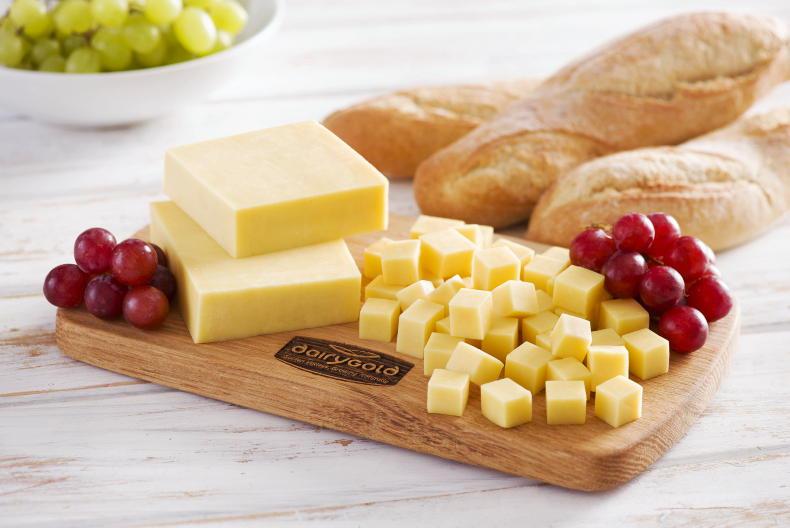
As we finish the year, butter is at €4,075/t, cheese is at €3,315/t, whole milk powder is at €2,980/t, while skim milk powder is at €1,970/t. These prices are back between 20% and 40% on the start of the year. From an Irish farmers’ perspective, the peak price matched the peak milk curve.
The year 2025 will be looked back on by most dairy farmers with fondness as a year that delivered high milk prices and good weather.
However, the last third of the year brought a massive change in market conditions, heralded by what many analysts are calling a wall of milk from Europe, the US and New Zealand.
The market downturn, which has seen butter prices stripped of over €4,000/t compared with its peak prices, is due to increased supply.
This is the traditional way that market prices have increased or decreased, with fluctuating demand a less regular cause of market change.
In the past, New Zealand farmers have often gotten the blame for pushing up supply and while New Zealand supplies are up, most of the increase in milk has come from the US and Europe.
In the US, the high prices for beef have pushed up the price of dropped calves to north of €1,400/head, which is unprecedented.
Between farmers holding on to cows for longer to get a calf out of them and more heifers joining the herd, milk output in the US is up about 4% this autumn versus last year.
In Europe, the rate of supply increase is similar for September and October, while New Zealand is consistently up by about 2.5% each month.
As we finish the year, butter is at €4,075/t, cheese is at €3,315/t, whole milk powder is at €2,980/t, while skim milk powder is at €1,970/t. These prices are back between 20% and 40% on the start of the year. From an Irish farmers’ perspective, the peak price matched the peak milk curve.







SHARING OPTIONS