Crutch ewes pre-lambing
Winter shearing has the obvious advantages of being able to monitor ewe condition easier, fit more ewes in a given space and keep the fleece of ewe’s cleaner, which encourages easier suckling for newborn lambs. It also keeps tail-ends cleaner once ewes are let to grass. The practice does not suit everyone, with a seven-to-eight-week wool regrowth window required for winter shearing.
A practice which could be an option for many is crutching the tail end and belly region of ewes. This can be carried out in the run up to lambing, with a suite of hand held clippers now allowing farmers who do not shear for themselves to carry out smaller tasks. Such clippers double up as a good aid for dagging or crutching lambs later in the season.
Number ewes
pre-lambing
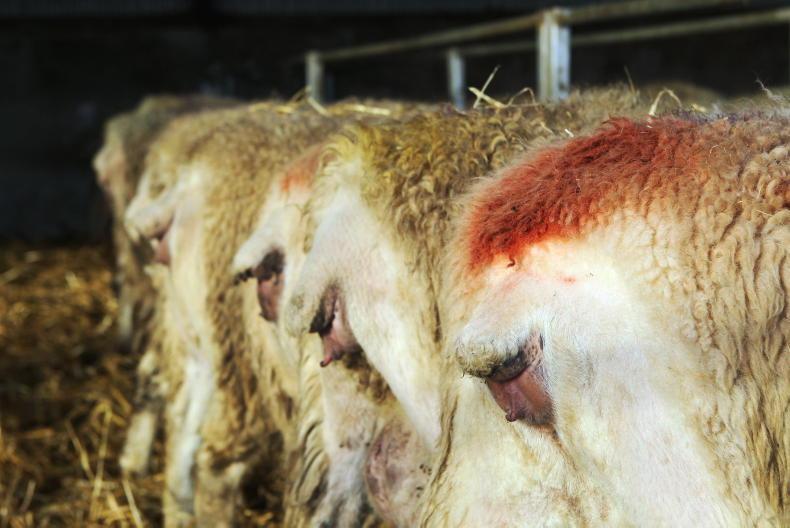
A high percentage of farmers like the practice of numbering ewes and lambs to quickly denote which lamb(s) belongs to which ewe. This can be a challenging task for outdoor and hill lambing flocks, with lambs generally easy to catch in the first few hours of life – ewes however, do not always play ball. Numbering ewes in advance of lambing cuts down on having to handle ewes at all and can save a lot of effort and time.
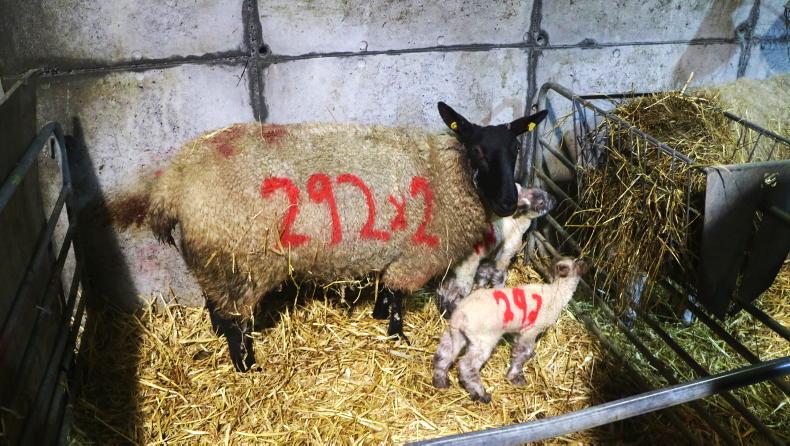
Numbering ewes allows lambs to be quickly matched to their ewes.
Easy access to water
Servicing individual lambing pens is often a more time-consuming task than lambing itself. The water intake of ewes almost doubles in lactation, rising to upwards of nine to 10 litres per day. That’s a lot of buckets to carry in peak lambing.
Where lambing pens are laid out along a line, many farmers find good results in running a 6” pipe through the pens, with holes cut for ewes to drink from. Where pens are spread out, a length of flexible garden hose with a nozzle fitted can save a lot of walking and lifting, allowing drinkers to be filled in the pen.

A simple sink and an instant source of hot water allows for washing of bottles, stomach tube, lambing aids, etc.
Ziplock or colostrum bags
Research clearly shows the benefit of ensuring each lamb receives some ewe colostrum. Where excess colostrum is milked from ewes or cows on the farm (take note of possible issues with colostrum and anaemia) it is better to store this in good ziplock or colostrum bags, in the quantities that are typically needed, rather than (often the case) in large milk containers.
The greater surface area allows frozen colostrum to be defrosted much quicker – never use boiling water or a microwave to defrost colostrum, as it will kill antibodies. While we can strive to do everything right, having a source of powdered colostrum as a backup may be useful.
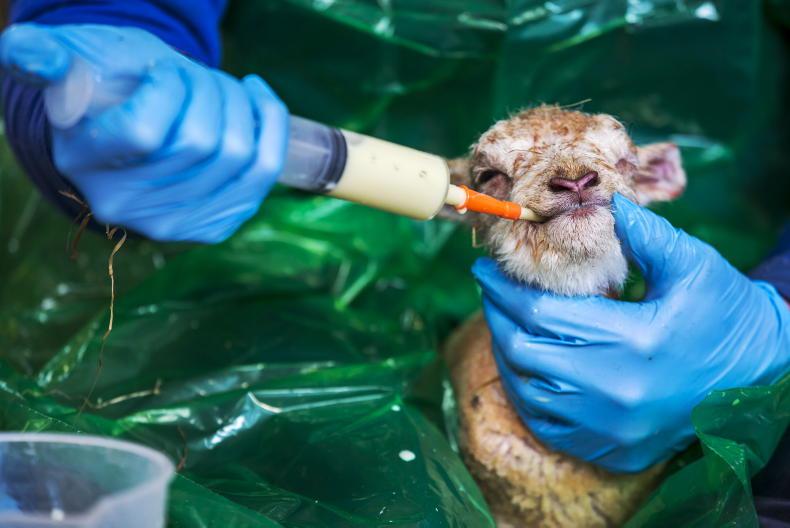
Being in a position to thaw frozen colostrum quickly gets lambs going faster. \ Philip Doyle
Convenient hot water source
A convenient source of hot water is worth everything when it comes to lambing.
The best facilities are those with a stainless steel sink that can be easily disinfected, and a source of instant hot water. There are numerous options on the market, from gas-powered heaters to immersion-type units and electric point-of-use heaters.
Failing this, having a temporary work station and a kettle that can be safely boiled will work well for a lot of smaller producers.
Ample number of pens
While weather can change quickly at this time of year, it will take ground a long time to dry out. For farmers lambing in the short-term, it is worth having additional pens close to hand that can be quickly set up if needed. The general guideline is one pen to seven or eight ewes. This can be reduced to one pen to every five to six ewes for high-prolificacy flocks or flocks with a high number of ewe lambs.
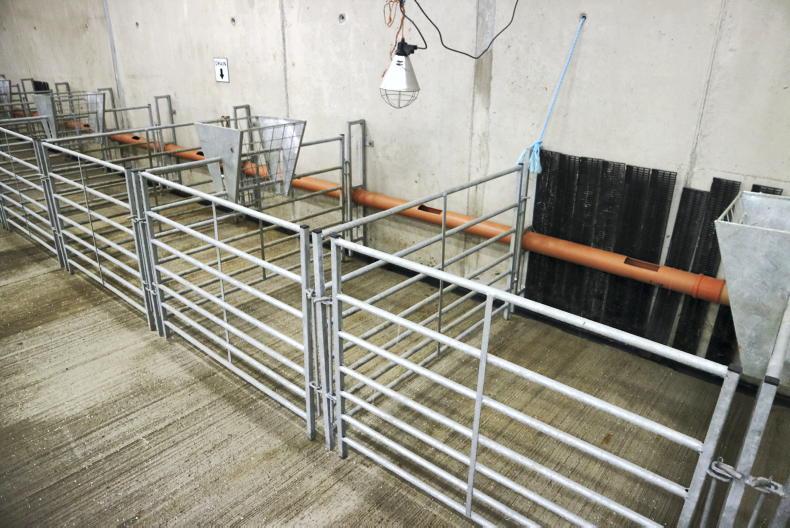
White board and numbered pens
Having a whiteboard / corriboard or chalk board in the lambing shed where notes can be quickly recorded is a good aid when things can be manic and it is easy to forget details. For this to work best, pen numbers should be numbered so that details are easily understood.
A small piece of corriboard fastened to the front of a pen can work equally well, especially where recording lambing details at a later stage.
This practice is particularly beneficial for larger flocks where part-time help is available, or on farms where people are working at different times.
It can also be a useful aid where just one person is working in allowing information to be easily recorded and tracked.
Lambing aids
There is enough stress around lambing without adding in extra issues, such as not having useful equipment on hand. Drawing up a lambing inventory of items you have on hand and those that need replacing well in advance of lambing is wise. Disposable gloves, lubricant, lambing rope/aid and flexible tubs to collect fluids for cross-fostering are useful general items.
Disinfectants, bottles and spare teats, a stomach tube, thermometer navel dip/spray and an infra-red lamp or warming box are good health aids. In terms of ewe health, it is good to have prolapse harnesses/restrainers, injectable calcium, syringes and needles, oxytocin, energy boost (twin lamb disease) products on hand.
Miscellaneous items include management tags, spray marker, phone number for vet, rubber ring applicator and spare clean clothing, to allow clothing to be regularly washed.
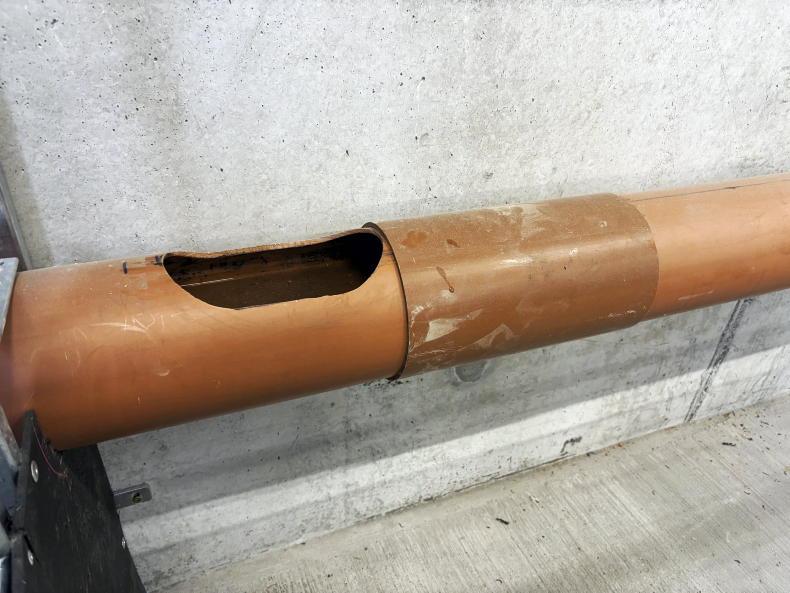
The simple but effective sleeve that can be slid across the opening to prevent straw entering the water pipe.
Crutch ewes pre-lambing
Winter shearing has the obvious advantages of being able to monitor ewe condition easier, fit more ewes in a given space and keep the fleece of ewe’s cleaner, which encourages easier suckling for newborn lambs. It also keeps tail-ends cleaner once ewes are let to grass. The practice does not suit everyone, with a seven-to-eight-week wool regrowth window required for winter shearing.
A practice which could be an option for many is crutching the tail end and belly region of ewes. This can be carried out in the run up to lambing, with a suite of hand held clippers now allowing farmers who do not shear for themselves to carry out smaller tasks. Such clippers double up as a good aid for dagging or crutching lambs later in the season.
Number ewes
pre-lambing
A high percentage of farmers like the practice of numbering ewes and lambs to quickly denote which lamb(s) belongs to which ewe. This can be a challenging task for outdoor and hill lambing flocks, with lambs generally easy to catch in the first few hours of life – ewes however, do not always play ball. Numbering ewes in advance of lambing cuts down on having to handle ewes at all and can save a lot of effort and time.
Numbering ewes allows lambs to be quickly matched to their ewes.
Easy access to water
Servicing individual lambing pens is often a more time-consuming task than lambing itself. The water intake of ewes almost doubles in lactation, rising to upwards of nine to 10 litres per day. That’s a lot of buckets to carry in peak lambing.
Where lambing pens are laid out along a line, many farmers find good results in running a 6” pipe through the pens, with holes cut for ewes to drink from. Where pens are spread out, a length of flexible garden hose with a nozzle fitted can save a lot of walking and lifting, allowing drinkers to be filled in the pen.
A simple sink and an instant source of hot water allows for washing of bottles, stomach tube, lambing aids, etc.
Ziplock or colostrum bags
Research clearly shows the benefit of ensuring each lamb receives some ewe colostrum. Where excess colostrum is milked from ewes or cows on the farm (take note of possible issues with colostrum and anaemia) it is better to store this in good ziplock or colostrum bags, in the quantities that are typically needed, rather than (often the case) in large milk containers.
The greater surface area allows frozen colostrum to be defrosted much quicker – never use boiling water or a microwave to defrost colostrum, as it will kill antibodies. While we can strive to do everything right, having a source of powdered colostrum as a backup may be useful.
Being in a position to thaw frozen colostrum quickly gets lambs going faster. \ Philip Doyle
Convenient hot water source
A convenient source of hot water is worth everything when it comes to lambing.
The best facilities are those with a stainless steel sink that can be easily disinfected, and a source of instant hot water. There are numerous options on the market, from gas-powered heaters to immersion-type units and electric point-of-use heaters.
Failing this, having a temporary work station and a kettle that can be safely boiled will work well for a lot of smaller producers.
Ample number of pens
While weather can change quickly at this time of year, it will take ground a long time to dry out. For farmers lambing in the short-term, it is worth having additional pens close to hand that can be quickly set up if needed. The general guideline is one pen to seven or eight ewes. This can be reduced to one pen to every five to six ewes for high-prolificacy flocks or flocks with a high number of ewe lambs.
White board and numbered pens
Having a whiteboard / corriboard or chalk board in the lambing shed where notes can be quickly recorded is a good aid when things can be manic and it is easy to forget details. For this to work best, pen numbers should be numbered so that details are easily understood.
A small piece of corriboard fastened to the front of a pen can work equally well, especially where recording lambing details at a later stage.
This practice is particularly beneficial for larger flocks where part-time help is available, or on farms where people are working at different times.
It can also be a useful aid where just one person is working in allowing information to be easily recorded and tracked.
Lambing aids
There is enough stress around lambing without adding in extra issues, such as not having useful equipment on hand. Drawing up a lambing inventory of items you have on hand and those that need replacing well in advance of lambing is wise. Disposable gloves, lubricant, lambing rope/aid and flexible tubs to collect fluids for cross-fostering are useful general items.
Disinfectants, bottles and spare teats, a stomach tube, thermometer navel dip/spray and an infra-red lamp or warming box are good health aids. In terms of ewe health, it is good to have prolapse harnesses/restrainers, injectable calcium, syringes and needles, oxytocin, energy boost (twin lamb disease) products on hand.
Miscellaneous items include management tags, spray marker, phone number for vet, rubber ring applicator and spare clean clothing, to allow clothing to be regularly washed.
The simple but effective sleeve that can be slid across the opening to prevent straw entering the water pipe.







SHARING OPTIONS