Drug intimidation in rural Ireland has become a more lucrative business for drug dealers than selling their product, according to a senior Garda sergeant who spoke at a community alert information meeting in Co Galway last week.
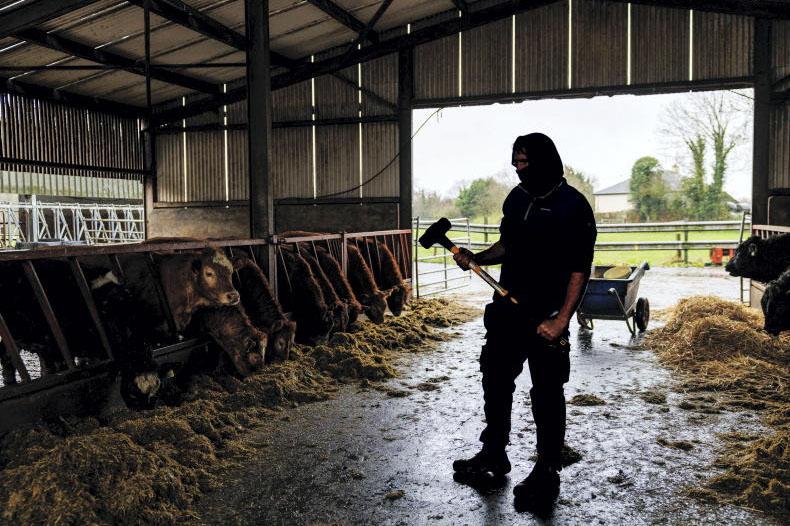
Sgt Olivia Fleming told a large audience in Craughwell GAA club house that young people across rural Ireland are under huge stress from drug dealers, with gangs wearing balaclavas turning up at their family homes, demanding the repayment of drug debt.
“Decent, normal, hard-working families are being targeted and intimidated to pay off the drug debts of their children and it is heartbreaking to see the effect this is having. It is widespread and it is increasing,” said the Crime Prevention Officer for Co Galway.
“We’ve seen cases where young people are being offered a certain amount of drugs for free, say €100, where they’re encouraged to try it and they think that is the end of it. But these dealers then come back a few weeks later and say they’re owed €500, which increases to €1,000 and the young person doesn’t know where to turn.
“I’ve seen parents, grandparents, and farmers forced to sell their cattle to pay off drug debts and the problem is once the first debt is paid, these criminals keep coming back for more.
“It’s got to the stage where drug intimidation is making more money for dealers than selling the drugs.”
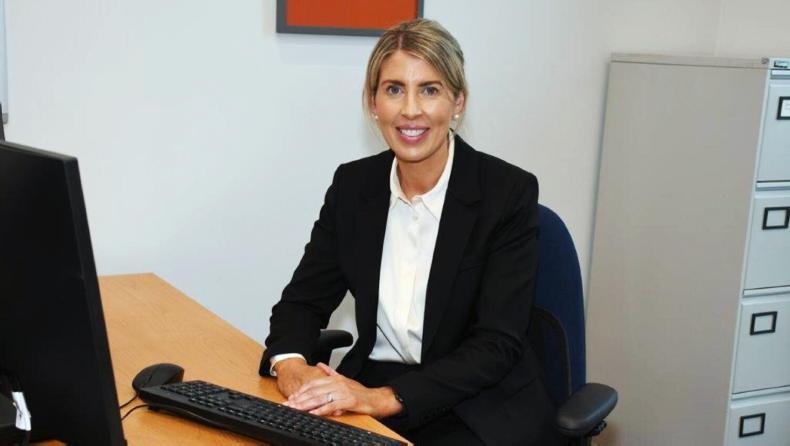
Crime Prevention Officer for Galway, Garda Sergeant Olivia Flemming.
Cattle drench
Joe Treacy is a HSE clinical addiction counsellor who has spent his entire career working in treatment and addiction services. He told the meeting that the issue of drugs is at epidemic levels where drug use is infiltrating the countryside at ‘an alarming rate’.
“I’ve never witnessed the scale of drug use as it is right now. Every rural court sitting is taken up with the violence and criminality of drugs and it is showing no sign of abating,” he said.
Figures released this week showed a 5% increase in the number of drug related cases before district courts across the country in 2025.
“The National Drug Treatment Centre has a backlog of 2,000 drug tests waiting to be screened by biochemists who are asking where we have got some of our samples from, such is the quality of drugs being detected,” adds Joe.
“By the same token, most criminals don’t care what is in the product they’re pedalling. We’ve seen ketamine that was cut with cattle drench and the amount of money involved in this whole industry is staggering.
“Young people are ending up with convictions that blight their futures from the ability to travel oversees to future career prospects. The condition and proliferation of drugs we’re seeing in this country is alarming and the age profile where drugs are encroaching goes from 15 to 80 years of age.”
Joe also highlighted the alarming increase of young people being drawn into the drug trade and said dealers were targeting families with known wealth and affluence.
“The ‘muling’ of young people is so disturbing, where teenagers are being used to distribute drugs. The damage to families is insurmountable and I’ve witnessed cases first hand where rural homes are being targeted by drug dealers. These people even appear at funerals, where they will stand in the line to sympathise with mourners, and then remind them that the drug debt owed by the deceased must still be paid. They are brazen and will stop at nothing to get their money.”
I’ve seen parents, grandparents, and farmers forced to sell their cattle to pay off drug debts and the problem is once the first debt is paid, these criminals keep coming back for more
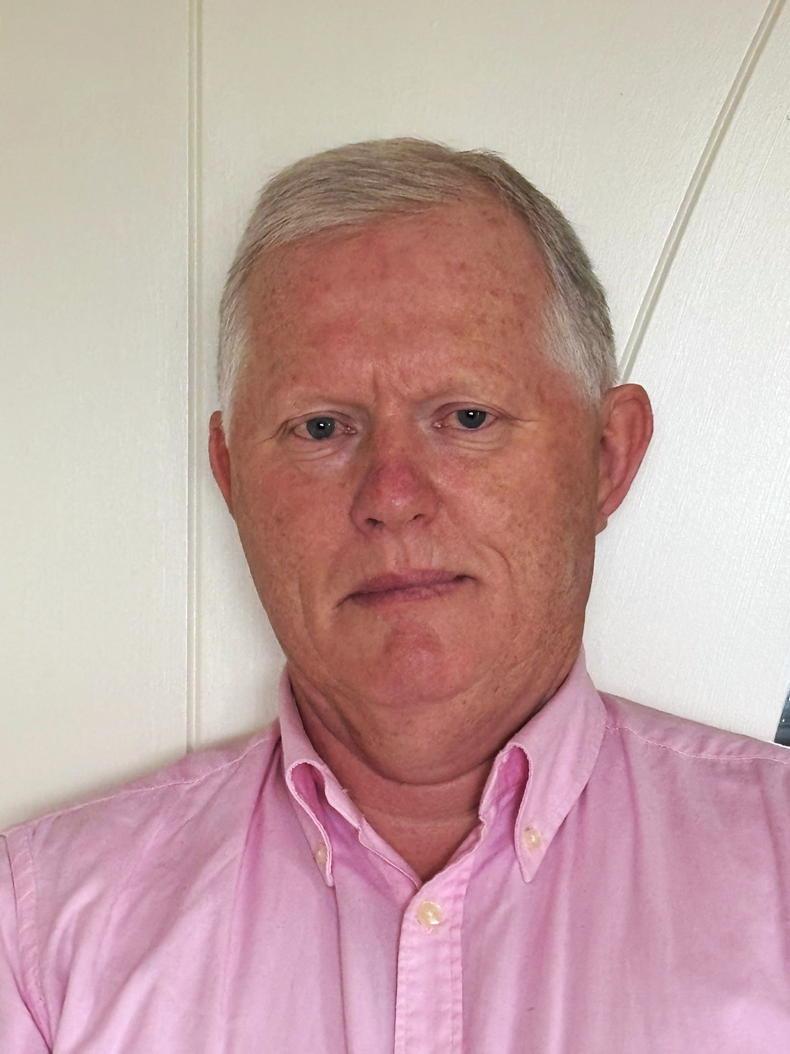
Joe Treacy is a HSE clinical addiction counsellor.
Drug of choice
Caoimhe* is 23 and was one of three recovering addicts to speak at the meeting. She lives with her family in rural Co Galway where she is in recovery from drug addiction and alcoholism and shared her experience of the darkest time of her life.
“I had my first drink at 13, which is what all my friends were doing, and then I started to smoke weed before progressing to MDMA and ecstasy before discovering cocaine which became my main drug of choice,” she shared.
“My life was miserable. I was robbing from my parents to pay for drugs which I was using every day. I do not in any way paint myself as a victim but I was vulnerable. The dealers used me to ‘hold drugs’ for them. They gave me cocaine worth tens of thousands of euros and one thing led to another and it was all gone. I had to pay them back.
“They put my photo up on Snapchat offering €500 to anyone who would give them my address. Then one night I was in my bedroom and three men in balaclavas surrounded the house which they threatened to torch, along with our cars. They also threatened to kneecap me, if my father didn’t pay them €10,000. They eventually left, without any money, but when my father came up to me, he was white as a ghost. He didn’t sleep for weeks after that and I wasn’t allowed to see my brothers or my newborn niece, because everyone was terrified and living in fear that these men would come back.”
Caoimhe sought residential treatment for her addictions and the help of the Gardaí, following the incident.
“I was terrified that because I’d been holding the drugs I would go to prison but the Gardaí were so helpful. We didn’t pay a penny to the dealers, if we did, they’d have come back for more but Sgt Fleming came out to the house and advised us on security and we now have CCTV cameras.
“It was such a dark time but looking back I realised I wasn’t a bad person. I was sick and I still am. I’m an addict and I was vulnerable and these dealers took advantage of that. It is so easy to get drugs anywhere in Ireland. I could organise a bag of drugs in 10 minutes if I wanted to.”
Joe says Caoimhe and her family’s experience is being replicated all over rural Ireland.
“We’ve had reports of people going into farmyards and threatening farmers that their sheds and their homes will be burned down if the debt isn’t paid. There is no boundary these people won’t cross.”
He added that while the primary school curriculum is addressing the issue, educating young people on the danger of drugs is not working.
“The current SPHE curriculum is excellent but a child’s intelligence and reasoning goes out the window once drugs come on the scene,” he added.
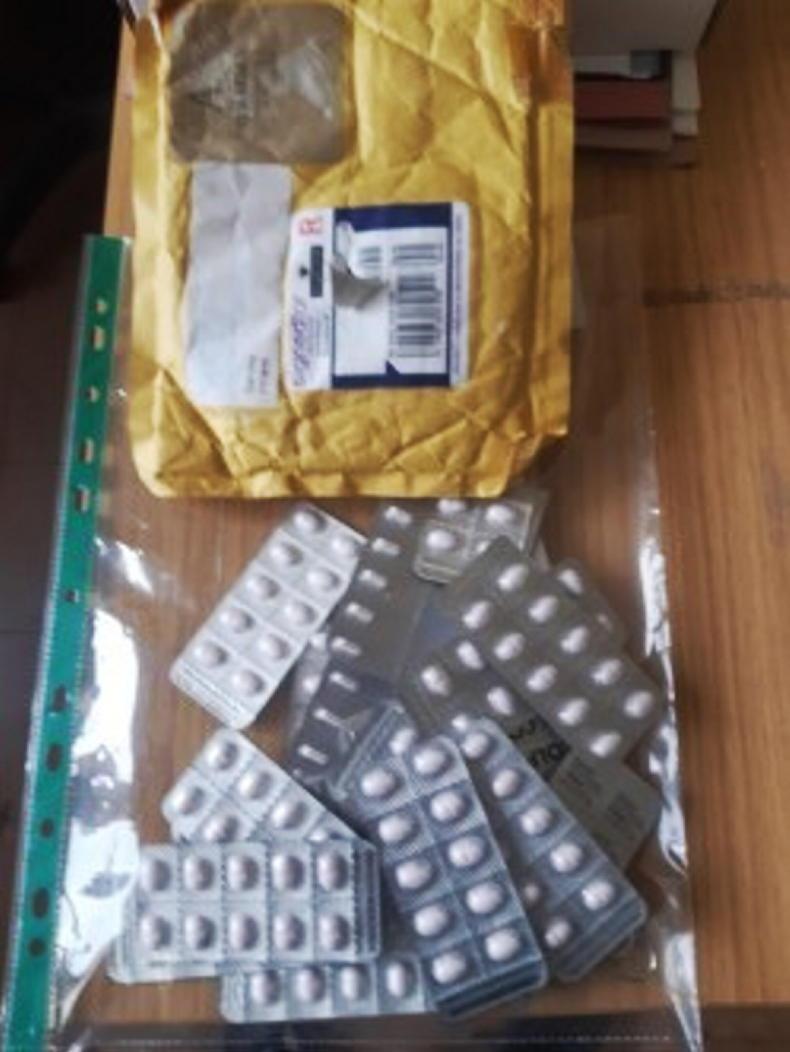
Drugs intercepted by a parent, after they were ordered online and posted from the UK.
We’ve had reports of people going into farmyards and threatening farmers that their sheds and their homes will be burned down if the debt isn’t paid
“Parents are now finding drugs in their homes and they don’t know what they are and they’re seeking screening through urine samples for their children. The demand for that has gone viral.
“There is a huge void in access to treatment, with the number of places available not keeping pace with demand. As of tonight, all treatment centres in this country are full as capacity becomes more limited. We are falling behind in addiction treatment and rehabilitation intervention and the level of funding available from Government is not managing the problem.
“I have gotten into a lot of trouble saying this but it’s Ireland’s professional class that have to take responsibility for creating the demand out there which is fuelling the drugs crisis that is increasing at an alarming rate. Perceived intelligence or status has nothing to do with who takes drugs. The fact remains that a great number of horrific and fatal accidents occur with recreational drug use.”
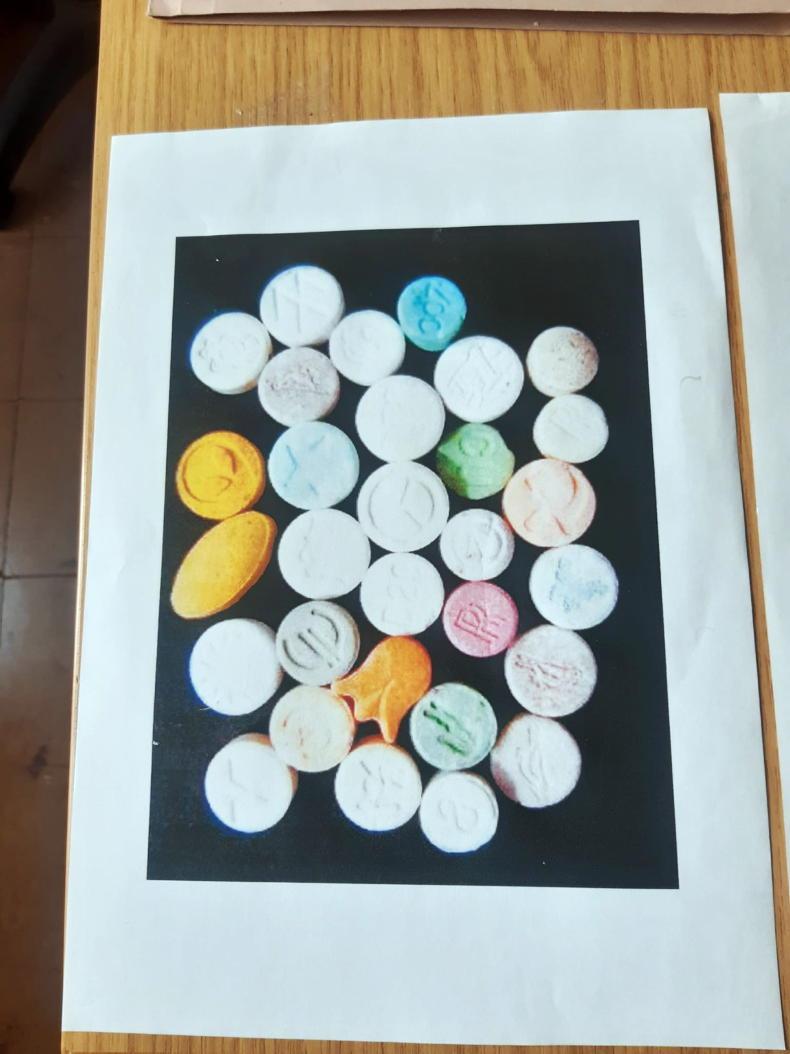
A selection of drugs surrendered to addiction counsellor Joe Treacy, a HSE Addiction specialist in Galway by his patients.
Targeted by dealers
Sgt Fleming agreed that anyone can be targeted by drug dealers.
“Everyone is at risk; I have three young children of my own and I worry what future lies ahead for them. But the message I want to share tonight is that help is available from An Garda Siochana through the Drug Related Intimidation Programme and we have a dedicated Garda inspector in every Garda Division who will respond to the issue of drug- related intimidation. The help is there, don’t try to deal with this on your own.”
Maggie Ryan, Healthy Club co-ordinator with Craughwell GAA who hosted the meeting, said there had been a lot of positive feedback.
“It was hard listening to what the speakers had to say but it’s essential information for everyone. We need to keep pushing in terms of keeping the conversation going,” she says.
“Parents need to grab this issue now it’s fresh in the mind and we need to run with it. We are delighted at the success of the night and very grateful to Joe Treacy and his speakers who shared their stories so honestly.
“We are very lucky to have huge support from the local Gardaí and are thankful too to Sgt Fleming for coming along to share her insights on how people can protect themselves and their families.”
- DRIVE (Drug Related Intimidation & Violence Engagement) is an interagency project with systems and structures to respond to drug related intimidation and associated violence in Ireland.
- DRIVE supports those experiencing drug related intimidation and helps communities around Ireland to respond to drug-related intimidation and violence. Further information is available at driveproject.ie
- The Drug Related Intimidation Reporting Programme deals with all cases confidentially and offers advice on drug support services, practical safety information and how to make a formal complaint.
- For further information and how to contact your nominated Garda inspector, see garda.ie/en/crime/drugs
>
Drug intimidation in rural Ireland has become a more lucrative business for drug dealers than selling their product, according to a senior Garda sergeant who spoke at a community alert information meeting in Co Galway last week.
Sgt Olivia Fleming told a large audience in Craughwell GAA club house that young people across rural Ireland are under huge stress from drug dealers, with gangs wearing balaclavas turning up at their family homes, demanding the repayment of drug debt.
“Decent, normal, hard-working families are being targeted and intimidated to pay off the drug debts of their children and it is heartbreaking to see the effect this is having. It is widespread and it is increasing,” said the Crime Prevention Officer for Co Galway.
“We’ve seen cases where young people are being offered a certain amount of drugs for free, say €100, where they’re encouraged to try it and they think that is the end of it. But these dealers then come back a few weeks later and say they’re owed €500, which increases to €1,000 and the young person doesn’t know where to turn.
“I’ve seen parents, grandparents, and farmers forced to sell their cattle to pay off drug debts and the problem is once the first debt is paid, these criminals keep coming back for more.
“It’s got to the stage where drug intimidation is making more money for dealers than selling the drugs.”
Crime Prevention Officer for Galway, Garda Sergeant Olivia Flemming.
Cattle drench
Joe Treacy is a HSE clinical addiction counsellor who has spent his entire career working in treatment and addiction services. He told the meeting that the issue of drugs is at epidemic levels where drug use is infiltrating the countryside at ‘an alarming rate’.
“I’ve never witnessed the scale of drug use as it is right now. Every rural court sitting is taken up with the violence and criminality of drugs and it is showing no sign of abating,” he said.
Figures released this week showed a 5% increase in the number of drug related cases before district courts across the country in 2025.
“The National Drug Treatment Centre has a backlog of 2,000 drug tests waiting to be screened by biochemists who are asking where we have got some of our samples from, such is the quality of drugs being detected,” adds Joe.
“By the same token, most criminals don’t care what is in the product they’re pedalling. We’ve seen ketamine that was cut with cattle drench and the amount of money involved in this whole industry is staggering.
“Young people are ending up with convictions that blight their futures from the ability to travel oversees to future career prospects. The condition and proliferation of drugs we’re seeing in this country is alarming and the age profile where drugs are encroaching goes from 15 to 80 years of age.”
Joe also highlighted the alarming increase of young people being drawn into the drug trade and said dealers were targeting families with known wealth and affluence.
“The ‘muling’ of young people is so disturbing, where teenagers are being used to distribute drugs. The damage to families is insurmountable and I’ve witnessed cases first hand where rural homes are being targeted by drug dealers. These people even appear at funerals, where they will stand in the line to sympathise with mourners, and then remind them that the drug debt owed by the deceased must still be paid. They are brazen and will stop at nothing to get their money.”
I’ve seen parents, grandparents, and farmers forced to sell their cattle to pay off drug debts and the problem is once the first debt is paid, these criminals keep coming back for more
Joe Treacy is a HSE clinical addiction counsellor.
Drug of choice
Caoimhe* is 23 and was one of three recovering addicts to speak at the meeting. She lives with her family in rural Co Galway where she is in recovery from drug addiction and alcoholism and shared her experience of the darkest time of her life.
“I had my first drink at 13, which is what all my friends were doing, and then I started to smoke weed before progressing to MDMA and ecstasy before discovering cocaine which became my main drug of choice,” she shared.
“My life was miserable. I was robbing from my parents to pay for drugs which I was using every day. I do not in any way paint myself as a victim but I was vulnerable. The dealers used me to ‘hold drugs’ for them. They gave me cocaine worth tens of thousands of euros and one thing led to another and it was all gone. I had to pay them back.
“They put my photo up on Snapchat offering €500 to anyone who would give them my address. Then one night I was in my bedroom and three men in balaclavas surrounded the house which they threatened to torch, along with our cars. They also threatened to kneecap me, if my father didn’t pay them €10,000. They eventually left, without any money, but when my father came up to me, he was white as a ghost. He didn’t sleep for weeks after that and I wasn’t allowed to see my brothers or my newborn niece, because everyone was terrified and living in fear that these men would come back.”
Caoimhe sought residential treatment for her addictions and the help of the Gardaí, following the incident.
“I was terrified that because I’d been holding the drugs I would go to prison but the Gardaí were so helpful. We didn’t pay a penny to the dealers, if we did, they’d have come back for more but Sgt Fleming came out to the house and advised us on security and we now have CCTV cameras.
“It was such a dark time but looking back I realised I wasn’t a bad person. I was sick and I still am. I’m an addict and I was vulnerable and these dealers took advantage of that. It is so easy to get drugs anywhere in Ireland. I could organise a bag of drugs in 10 minutes if I wanted to.”
Joe says Caoimhe and her family’s experience is being replicated all over rural Ireland.
“We’ve had reports of people going into farmyards and threatening farmers that their sheds and their homes will be burned down if the debt isn’t paid. There is no boundary these people won’t cross.”
He added that while the primary school curriculum is addressing the issue, educating young people on the danger of drugs is not working.
“The current SPHE curriculum is excellent but a child’s intelligence and reasoning goes out the window once drugs come on the scene,” he added.
Drugs intercepted by a parent, after they were ordered online and posted from the UK.
We’ve had reports of people going into farmyards and threatening farmers that their sheds and their homes will be burned down if the debt isn’t paid
“Parents are now finding drugs in their homes and they don’t know what they are and they’re seeking screening through urine samples for their children. The demand for that has gone viral.
“There is a huge void in access to treatment, with the number of places available not keeping pace with demand. As of tonight, all treatment centres in this country are full as capacity becomes more limited. We are falling behind in addiction treatment and rehabilitation intervention and the level of funding available from Government is not managing the problem.
“I have gotten into a lot of trouble saying this but it’s Ireland’s professional class that have to take responsibility for creating the demand out there which is fuelling the drugs crisis that is increasing at an alarming rate. Perceived intelligence or status has nothing to do with who takes drugs. The fact remains that a great number of horrific and fatal accidents occur with recreational drug use.”
A selection of drugs surrendered to addiction counsellor Joe Treacy, a HSE Addiction specialist in Galway by his patients.
Targeted by dealers
Sgt Fleming agreed that anyone can be targeted by drug dealers.
“Everyone is at risk; I have three young children of my own and I worry what future lies ahead for them. But the message I want to share tonight is that help is available from An Garda Siochana through the Drug Related Intimidation Programme and we have a dedicated Garda inspector in every Garda Division who will respond to the issue of drug- related intimidation. The help is there, don’t try to deal with this on your own.”
Maggie Ryan, Healthy Club co-ordinator with Craughwell GAA who hosted the meeting, said there had been a lot of positive feedback.
“It was hard listening to what the speakers had to say but it’s essential information for everyone. We need to keep pushing in terms of keeping the conversation going,” she says.
“Parents need to grab this issue now it’s fresh in the mind and we need to run with it. We are delighted at the success of the night and very grateful to Joe Treacy and his speakers who shared their stories so honestly.
“We are very lucky to have huge support from the local Gardaí and are thankful too to Sgt Fleming for coming along to share her insights on how people can protect themselves and their families.”
- DRIVE (Drug Related Intimidation & Violence Engagement) is an interagency project with systems and structures to respond to drug related intimidation and associated violence in Ireland.
- DRIVE supports those experiencing drug related intimidation and helps communities around Ireland to respond to drug-related intimidation and violence. Further information is available at driveproject.ie
- The Drug Related Intimidation Reporting Programme deals with all cases confidentially and offers advice on drug support services, practical safety information and how to make a formal complaint.
- For further information and how to contact your nominated Garda inspector, see garda.ie/en/crime/drugs
>





SHARING OPTIONS