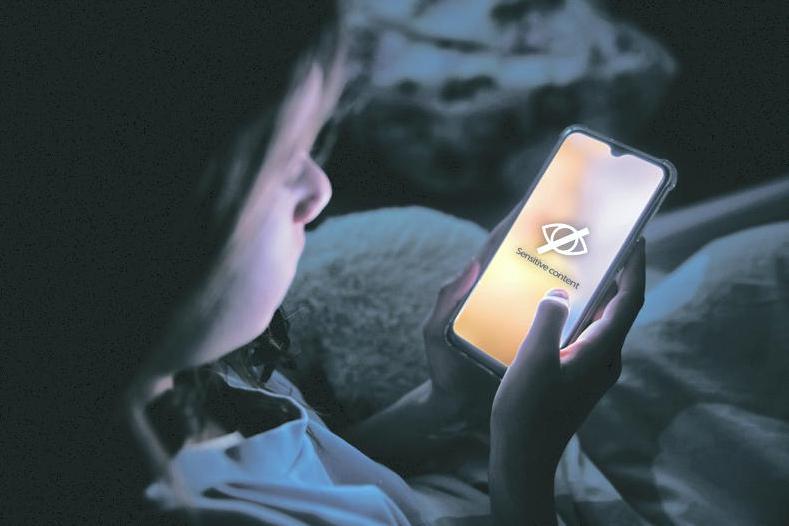
As the Irish Government considers the need to regulate social media use, a leading children’s advocacy group says an outright ban for under 16-year-olds is the wrong approach to keep young people safe online.
Countries around the world have been following the example of Australia, who introduced the first ever social media ban for under 16s last December.
Several European states including Austria, Denmark, France, Greece, Spain and the UK have announced their own social media bans, while it is proposed here in Ireland to introduce a digital style wallet where a personal public service (PPS) number would be required to verify age when setting up a social media account.
However, the Children’s Rights Alliance believes a ban punishing children will not keep young people safe.
Online safety
Noeline Blackwell is the Alliance’s online safety co-ordinator. She tells Irish Country Living that she believes any ban on children will not address the real problem.
“Young people are being lured into endless scrolling on social media, where they’re exposed to cyber bullying and pornography and there are a lot of fixable faults that don’t involve the children, but can be implemented by the tech companies, where the fault does lie,” she says.
“Only last month Google [who own YouTube] and Meta [who own Facebook, Instagram and Whats App] were found to have addictive features that led to users’ harm, so why are we blaming young people who are growing up in a digital age and have a right to remain safe in it?
“Children in rural Ireland, where services and transport aren’t as readily available, rely on smartphones to connect with their peers. It’s the first time they aren’t being disadvantaged by where they live and the technology and ease of internet access fosters an inclusiveness that they need to thrive” continues Noeline.
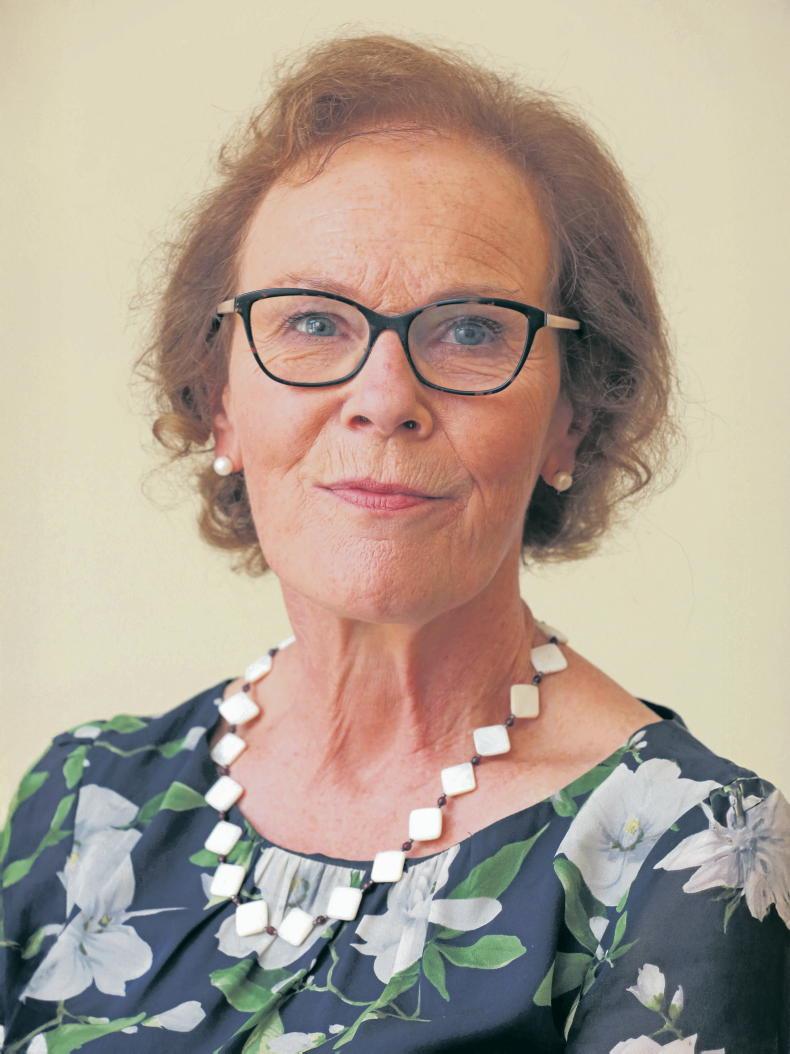
Noeline Blackwell is the Children’s Rights Alliance’s online safety co-ordinator.
“These children would be particularly affected by a ban as the smartphone and social media has become their way of knowing who their tribe is and how they engage with activities and keep across events and concerts, bringing them together with their peers.”
Noeline also argues that the experience in Australia, where teenagers were able to circumvent the government ban within days of it being introduced, shows how ineffective the policy is.
Young people are being lured into endless scrolling on social media, where they’re exposed to cyber bullying and pornography and there are a lot of fixable faults that don’t involve the children, but can be implemented by the tech companies, where the fault does lie
“It took Australian teenagers all of two days to get around the ban, using virtual private networks (VPNs). Young people are growing up in a digital age and are far more tech savvy than we give them credit for.
“The other argument is that if you put the focus solely on children, you are taking the heat off companies who have known for the past 30 years the harm these platforms can pose to users.
“The pressure should be placed on these companies to remove all nasty content that harms young people, yet makes them a lot of money.”
Noeline accepts that with many tech firms having their European headquarters in Ireland, a lot of Irish families earn their living from the companies who she believes need to be held to account.
“We all know how much employment these companies offer here but I can see parents starting to rise up to resist what they are doing in the harm their products cause to young people,” Noeline explains.
“The irony is you can’t buy a child’s toy or a football or a sliotar unless it has a safety mark. We are still relatively new to the online safety code that was introduced in Ireland only last July but we are going to have to have these conversations and follow through with actions if we are ever to make social media a safe place for our young people in this digital age.”
Landmark ruling
In recent weeks, an American court found that Google and Meta were liable for designing addictive social media platforms.
The verdict by a jury in California is being hailed as a landmark ruling and one that has further enhanced the global debate as to how appropriate it is for children to be allowed on social media platforms.
While a growing number of primary schools across rural Ireland have implemented policies, supported by parents, to ban the use of both smartphones and social media, the situation is less clear when children enter secondary school.
While most second-level schools don’t provide students with smartphones, many teachers still expect students to have access to one during class to look up information or use online resources. This adds to the growing assumption that 12- and 13-year-olds will already own a smartphone by the time they start first year.
However, a renewed focus on the harms caused to young people by social media exposure has led to a push back by many parents.
At government level, the joint Oireachtas Committee on Arts, Media, Communication and Sports has held several sessions since the start of the year, debating the issue.

Alan Kelly TD for Tipperary.
Chaired by Alan Kelly TD for Tipperary, the committee has heard from young people and those advocating on their behalf, as the plans to safeguard children online take shape.
“Politicians understand what we are saying but they are understandably looking for a simple, straightforward solution to this problem,” she adds.
“But they are hearing us when we say we need to work with children, who are telling us very clearly that they don’t want to be put in harm’s way.
“A total ban on an age cohort is impractical and not in children’s best interests, one doesn’t stop the other happening, so we are advocating for a slower, more inclusive approach to this.
“We need politicians, the tech companies and society to come on board to find a solution so that children can be introduced to technology at an appropriate age. Right now, neither parents nor children understand enough about the harm being caused by constant exposure to screens, which incidentally doesn’t just concern phones – gaming consoles and certain education technology tools are also in the mix here.
“We know no one has a magic wand to fix this but we will get there. We cannot undo the past 30 years of letting companies do whatever they like, with a total lack of accountability but if the Government gets this right and moves away from banning children and towards making the companies fix all that is wrong, then it could happen very quickly.”
As the Irish Government considers the need to regulate social media use, a leading children’s advocacy group says an outright ban for under 16-year-olds is the wrong approach to keep young people safe online.
Countries around the world have been following the example of Australia, who introduced the first ever social media ban for under 16s last December.
Several European states including Austria, Denmark, France, Greece, Spain and the UK have announced their own social media bans, while it is proposed here in Ireland to introduce a digital style wallet where a personal public service (PPS) number would be required to verify age when setting up a social media account.
However, the Children’s Rights Alliance believes a ban punishing children will not keep young people safe.
Online safety
Noeline Blackwell is the Alliance’s online safety co-ordinator. She tells Irish Country Living that she believes any ban on children will not address the real problem.
“Young people are being lured into endless scrolling on social media, where they’re exposed to cyber bullying and pornography and there are a lot of fixable faults that don’t involve the children, but can be implemented by the tech companies, where the fault does lie,” she says.
“Only last month Google [who own YouTube] and Meta [who own Facebook, Instagram and Whats App] were found to have addictive features that led to users’ harm, so why are we blaming young people who are growing up in a digital age and have a right to remain safe in it?
“Children in rural Ireland, where services and transport aren’t as readily available, rely on smartphones to connect with their peers. It’s the first time they aren’t being disadvantaged by where they live and the technology and ease of internet access fosters an inclusiveness that they need to thrive” continues Noeline.
Noeline Blackwell is the Children’s Rights Alliance’s online safety co-ordinator.
“These children would be particularly affected by a ban as the smartphone and social media has become their way of knowing who their tribe is and how they engage with activities and keep across events and concerts, bringing them together with their peers.”
Noeline also argues that the experience in Australia, where teenagers were able to circumvent the government ban within days of it being introduced, shows how ineffective the policy is.
Young people are being lured into endless scrolling on social media, where they’re exposed to cyber bullying and pornography and there are a lot of fixable faults that don’t involve the children, but can be implemented by the tech companies, where the fault does lie
“It took Australian teenagers all of two days to get around the ban, using virtual private networks (VPNs). Young people are growing up in a digital age and are far more tech savvy than we give them credit for.
“The other argument is that if you put the focus solely on children, you are taking the heat off companies who have known for the past 30 years the harm these platforms can pose to users.
“The pressure should be placed on these companies to remove all nasty content that harms young people, yet makes them a lot of money.”
Noeline accepts that with many tech firms having their European headquarters in Ireland, a lot of Irish families earn their living from the companies who she believes need to be held to account.
“We all know how much employment these companies offer here but I can see parents starting to rise up to resist what they are doing in the harm their products cause to young people,” Noeline explains.
“The irony is you can’t buy a child’s toy or a football or a sliotar unless it has a safety mark. We are still relatively new to the online safety code that was introduced in Ireland only last July but we are going to have to have these conversations and follow through with actions if we are ever to make social media a safe place for our young people in this digital age.”
Landmark ruling
In recent weeks, an American court found that Google and Meta were liable for designing addictive social media platforms.
The verdict by a jury in California is being hailed as a landmark ruling and one that has further enhanced the global debate as to how appropriate it is for children to be allowed on social media platforms.
While a growing number of primary schools across rural Ireland have implemented policies, supported by parents, to ban the use of both smartphones and social media, the situation is less clear when children enter secondary school.
While most second-level schools don’t provide students with smartphones, many teachers still expect students to have access to one during class to look up information or use online resources. This adds to the growing assumption that 12- and 13-year-olds will already own a smartphone by the time they start first year.
However, a renewed focus on the harms caused to young people by social media exposure has led to a push back by many parents.
At government level, the joint Oireachtas Committee on Arts, Media, Communication and Sports has held several sessions since the start of the year, debating the issue.
Alan Kelly TD for Tipperary.
Chaired by Alan Kelly TD for Tipperary, the committee has heard from young people and those advocating on their behalf, as the plans to safeguard children online take shape.
“Politicians understand what we are saying but they are understandably looking for a simple, straightforward solution to this problem,” she adds.
“But they are hearing us when we say we need to work with children, who are telling us very clearly that they don’t want to be put in harm’s way.
“A total ban on an age cohort is impractical and not in children’s best interests, one doesn’t stop the other happening, so we are advocating for a slower, more inclusive approach to this.
“We need politicians, the tech companies and society to come on board to find a solution so that children can be introduced to technology at an appropriate age. Right now, neither parents nor children understand enough about the harm being caused by constant exposure to screens, which incidentally doesn’t just concern phones – gaming consoles and certain education technology tools are also in the mix here.
“We know no one has a magic wand to fix this but we will get there. We cannot undo the past 30 years of letting companies do whatever they like, with a total lack of accountability but if the Government gets this right and moves away from banning children and towards making the companies fix all that is wrong, then it could happen very quickly.”





SHARING OPTIONS