


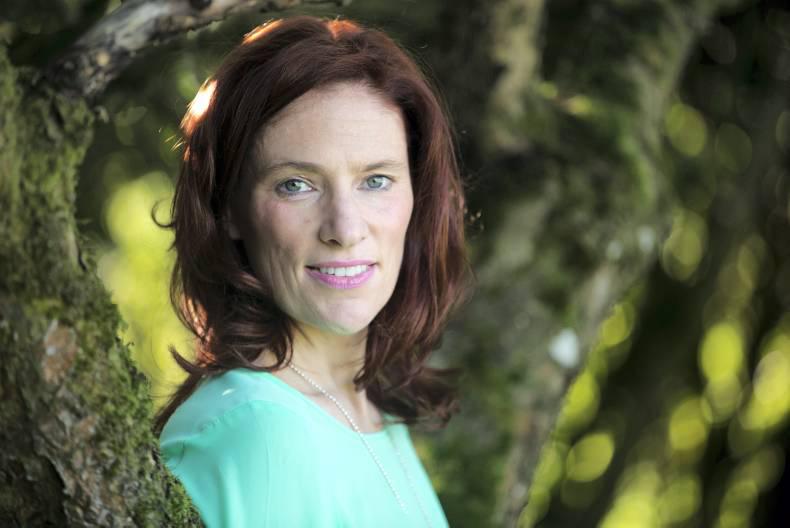

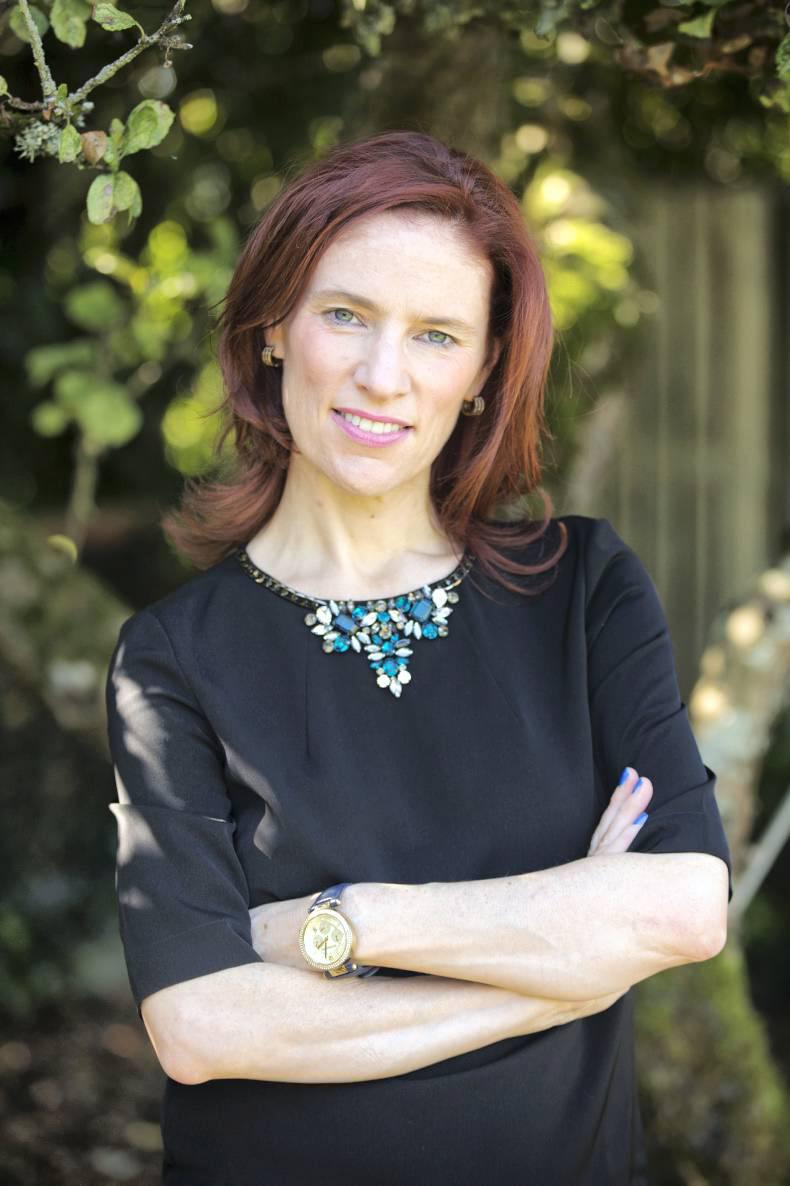
Naoise Coogan is a mother-of-two and freelance journalist and PR and digital marketing executive living in Co Kilkenny.
She and her husband John were astonished to recently learn, following a breast check at Waterford University Hospital – a centre of excellence in breast care – that Naoise had breast cancer.
In a new series, Naoise writes about her journey from the day she discovered a lump to starting radiotherapy.
Breast cancer is treated in a standardised manner under very particular guidelines in Ireland, and these guidelines are followed by all of the centres of excellence around the country.
If caught on time, breast cancer is considered very treatable, and women of all ages are encouraged to check their breasts for lumps on a regular basis, getting anything unusual examined by a GP. Early diagnosis is vital to saving lives.
My journey – part four
This was definitely the longest wait of all the waits to date – and there have been many.
Two weeks after the lumpectomy operation, I was doing really well. I was doing what I was told and trying to take it easy. But with two small children, sometimes this is not the easiest task.
However, the day had finally come to meet the surgeon for the results of the operation. Today would tell whether or not the cancer had spread from the breast into the lymph nodes. This was hugely important and would impact greatly on the treatment plan.
In plain English, it would inform me whether or not chemotherapy was probable at this point or just a possibility. I already knew that radiotherapy was a given, but I was so hopeful that I wouldn’t need chemotherapy, as it is so visual for the kids, with the possibility of hair loss and illness.
We had got this far without impacting them unnecessarily, and I hoped that I would not have to worry them with thoughts of illness at this young stage of their lives.
Apprehensive an understatement
My mom, husband and I arrived at the hospital. To say we were apprehensive is an understatement. This was when the seriousness of this illness would be determined – and it could go either way. As we walked through the corridor, we were greeted by my smiling nurse, who took one look at our furrowed brows and said, “Naoise, don’t worry. It’s all good!”
I was afraid to believe her. I asked what she meant. She flipped through my file and nodded. “Yes, it’s all clear, Naoise. You are going to be fine. Everything is good, so no need to worry.”
We were so taken aback by her kindness in telling us as we walked in. The waiting room was full, but now we didn’t care how long we had to wait to see the surgeon. We knew the news was good… unless she had made a mistake, my husband piped up!
But she had made no mistake. When we met with the surgeon, after checking my wound, he confirmed what she had said. I was lucky. It had not spread to my lymph nodes and the cancer was considered stage one still. The lump was confirmed as 1.5cm in size, which was a little bigger than was originally thought, but it was as expected: Ductal Carcinoma In Situ, the most common type of non-invasive breast cancer.
At this point, he couldn’t determine whether or not chemotherapy would be required, as the oncologist would take over a treatment plan along with a radiologist from here. However, he would see me every three months for a year and every six months the following year, with annual check-ups after that.
We glided out of his office triumphant and relived. I was one of the lucky ones. I had the most common cancer – one that was most easily treated and/or managed, because it was caught early. Let this be a lesson to all women to check your breasts, as this is a life-saving check that you can do yourself.
The next appointment was two weeks later with the oncologist. Again I was nervous, as I was hopeful that today would be the day I would learn whether or not chemotherapy was necessary.
The oncologist was practical and informative. She told me that the lump had been sent to San Francisco for the Oncotype DX test, which is a genomic test that analyses the activity of a group of genes that can affect how cancer is likely to behave.
Again, in lay man’s terms, it can determine the likelihood of reoccurrence. Therefore, this is the test that will determine the course of treatment, as chemotherapy can be useful if reoccurrence is likely, but will not benefit me at all if it is unlikely. It is a relatively new test and I am grateful that they do it – but I can’t believe I have to wait another five days for the results!
Waiting for the call
She assures me that she will call as soon as she hears, if the results are good – otherwise I will be scheduled for a second appointment. In the meantime, I am to meet the radiologist and plan the course of treatment for radiotherapy, which can commence as soon as the results return.
If chemotherapy is required, it will need to be done first for three months. If not, seven weeks of radiotherapy will do the job and I can raise a glass of farewell Champagne this New Year’s Eve to this very surprising and unwelcome turn of events.
The final – and very important – element of the treatment plan is a small tablet called Tamoxifen, which I will have to take every day for the next 10 years. Pretty full on, but this is a “wonder drug”, which reduces the risk of reoccurrence of early-stage oestrogen-receptor positive breast cancer. It could well bring on early menopause and all the symptoms that go with it, but that is a more welcome prospect than cancer.
The risk of reoccurrence is substantially lower in both breasts following this hormone treatment, which quells the oestrogen coming from the ovaries and other parts of the body.
I only have one ovary – little did I know what damage it could do in terms of breast cancer. Radiotherapy will only reduce the risk of reoccurrence in the breast, where the cancer originated. This is why Tamoxifen is prescribed for my type of cancer.
Mapping it out
Some days later, a CT scan was scheduled, following a meeting with the radiologist. This was an experience.
I had only seen this kind of scan on Grey’s Anatomy until now. I was tattooed in black ink, as they lined me up to the lasers in a bid to map out the area to be treated.
Then in less than a minute there were over 190 slices of my breast photographed. This helps the professionals ensure that the cancer-infected area is the only area targeted by radiotherapy.
I learned that I had to have seven weeks of the treatment, and the side-effects were burning of the skin on the affected area and fatigue. The most awkward part was to be the 50-minute drive to and from the clinic each day. The treatment itself only takes a few minutes.
Bring it on! I can handle this – I’m so grateful that I don’t need chemo. I feel ready for radiotherapy. I’m suddenly beginning to see the light at the end of this tunnel. I believe the doctors when they say I will get better and I trust their treatment plan.
I am ready for the final hurdle. CL





SHARING OPTIONS