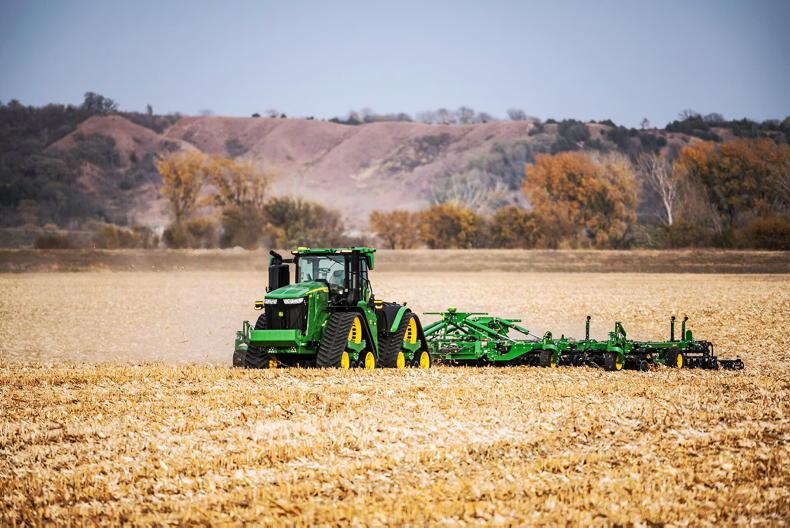
The measure is expected to save farmers $4.4 billion (€3.8 billion) annually in repair costs and downtime, according to the US Small Business Administration.
The measure is expected to save farmers $4.4 billion (€3.8 billion) annually in repair costs and downtime, according to the US Small Business Administration.
The measure is expected to save farmers $4.4 billion (€3.8 billion) annually in repair costs and downtime, according to the US Small Business Administration.
The measure is expected to save farmers $4.4 billion (€3.8 billion) annually in repair costs and downtime, according to the US Small Business Administration.
The measure is expected to save farmers $4.4 billion (€3.8 billion) annually in repair costs and downtime, according to the US Small Business Administration.
The measure is expected to save farmers $4.4 billion (€3.8 billion) annually in repair costs and downtime, according to the US Small Business Administration.
The measure is expected to save farmers $4.4 billion (€3.8 billion) annually in repair costs and downtime, according to the US Small Business Administration.
The measure is expected to save farmers $4.4 billion (€3.8 billion) annually in repair costs and downtime, according to the US Small Business Administration.
The measure is expected to save farmers $4.4 billion (€3.8 billion) annually in repair costs and downtime, according to the US Small Business Administration.
The measure is expected to save farmers $4.4 billion (€3.8 billion) annually in repair costs and downtime, according to the US Small Business Administration.
The measure is expected to save farmers $4.4 billion (€3.8 billion) annually in repair costs and downtime, according to the US Small Business Administration.
The measure is expected to save farmers $4.4 billion (€3.8 billion) annually in repair costs and downtime, according to the US Small Business Administration.
The measure is expected to save farmers $4.4 billion (€3.8 billion) annually in repair costs and downtime, according to the US Small Business Administration.
The measure is expected to save farmers $4.4 billion (€3.8 billion) annually in repair costs and downtime, according to the US Small Business Administration.
The measure is expected to save farmers $4.4 billion (€3.8 billion) annually in repair costs and downtime, according to the US Small Business Administration.
The measure is expected to save farmers $4.4 billion (€3.8 billion) annually in repair costs and downtime, according to the US Small Business Administration.
The measure is expected to save farmers $4.4 billion (€3.8 billion) annually in repair costs and downtime, according to the US Small Business Administration.
The measure is expected to save farmers $4.4 billion (€3.8 billion) annually in repair costs and downtime, according to the US Small Business Administration.
The measure is expected to save farmers $4.4 billion (€3.8 billion) annually in repair costs and downtime, according to the US Small Business Administration.
The measure is expected to save farmers $4.4 billion (€3.8 billion) annually in repair costs and downtime, according to the US Small Business Administration.
The measure is expected to save farmers $4.4 billion (€3.8 billion) annually in repair costs and downtime, according to the US Small Business Administration.
The measure is expected to save farmers $4.4 billion (€3.8 billion) annually in repair costs and downtime, according to the US Small Business Administration.
The measure is expected to save farmers $4.4 billion (€3.8 billion) annually in repair costs and downtime, according to the US Small Business Administration.
The measure is expected to save farmers $4.4 billion (€3.8 billion) annually in repair costs and downtime, according to the US Small Business Administration.
The measure is expected to save farmers $4.4 billion (€3.8 billion) annually in repair costs and downtime, according to the US Small Business Administration.
The measure is expected to save farmers $4.4 billion (€3.8 billion) annually in repair costs and downtime, according to the US Small Business Administration.
The measure is expected to save farmers $4.4 billion (€3.8 billion) annually in repair costs and downtime, according to the US Small Business Administration.
The measure is expected to save farmers $4.4 billion (€3.8 billion) annually in repair costs and downtime, according to the US Small Business Administration.
The measure is expected to save farmers $4.4 billion (€3.8 billion) annually in repair costs and downtime, according to the US Small Business Administration.
The measure is expected to save farmers $4.4 billion (€3.8 billion) annually in repair costs and downtime, according to the US Small Business Administration.
The measure is expected to save farmers $4.4 billion (€3.8 billion) annually in repair costs and downtime, according to the US Small Business Administration.







SHARING OPTIONS