


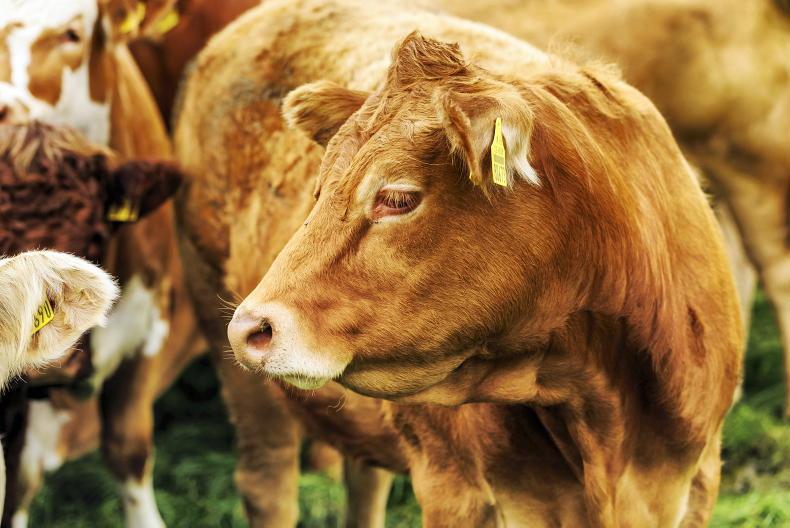
Farm emissions were 3.8% lower in the third quarter of 2025 than they had been for the same months one year previous due to a fall in cattle numbers and a decline in fertiliser use, provisional Environmental Protection Agency (EPA) figures show.
This 3.8% reduction puts agriculture as having the second-largest proportional greenhouse emissions drop for Q3 2025 of any sector of the economy and behind only the electricity sector’s emissions drop of 5.8%.
Emissions reduction in the buildings sector trailed agriculture closely with a fall of 3.6% in Q3 2025 relative to Q3 2024 and industry’s emissions came back 2.7%.
Transport emissions rose 0.1% and other sectors of the economy saws emissions grow 5.2%.
In addition to recording the second-highest proportional decrease in emissions, agriculture had the highest reduction in CO2 equivalents when comparing Q3 of 2025 with Q3 of the previous year.
The 3.8% reduction in agricultural emissions in Q3 2025 compared with the same quarter of 2024 saved the equivalent of 184,200t of CO2 emissions.
Electricity saw the second-highest decline in overall emissions on this basis, with a reduction of 89,000t of CO2 equivalents.
What drove farm emissions down?
Just over 100,000t of the CO2 equivalents reduction seen in farming were driven by a decrease in the agricultural soils emissions category, while less enteric fermentation (based off cattle numbers) accounted for an additional saving of 55,000t CO2 equivalents.
The EPA said that the fall in farm sector emissions is primarily due to a 23% fall in total fertiliser sales and a 3.4% slump in cattle numbers, with dairy cow numbers falling 1.4% and other cattle numbers reducing by 3.9%.
These two reductions represent respective emissions cuts of 9.8% and 1.9%.
Agriculture and forestry fuel emissions rose by 17,300t CO2 equivalents when compared against the same quarter of the previous year, which is a jump of 10%.
The EPA’s quarterly greenhouse gas emissions indicator report for Q3 2025 puts the emissions for the first three quarters of 2025 at 0.6% lower than they had been for the equivalent span of 2024.




SHARING OPTIONS