


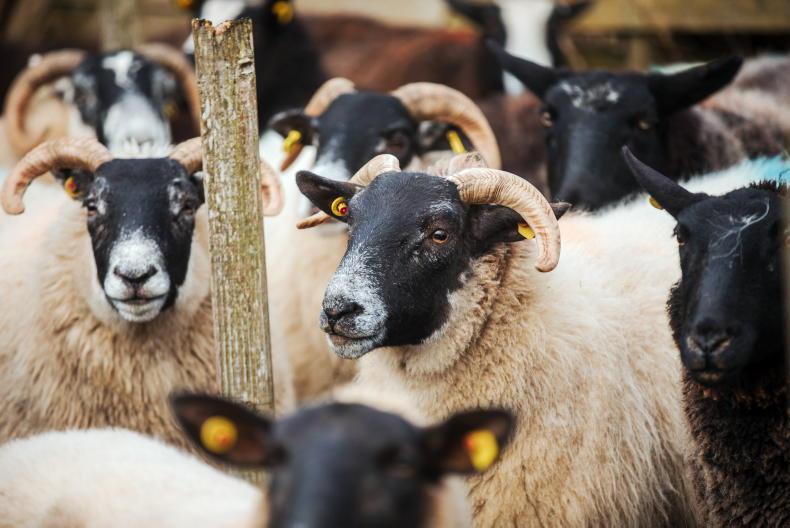
Hill farmer frustration with the process of drafting the plan setting out Ireland’s path towards compliance with the Nature Restoration Law is heating up, as clarity has yet to emerge on what funding will back up the plan and which measures it will contain.
The frustrations come with the tentative early 2026 deadline for completing a draft of the plan just months away and a hard September 2026 deadline facing Government to have a plan posted to Brussels.
“They are looking for a Rolls Royce plan without having any budget at all. Nobody knows where the funding is going to come from, but it can’t be farmers left to pick up the bill,” Irish Natura and Hill Farmers' Association (INHFA) vice-president John Joe Fitzgerald told the Irish Farmers Journal.
Fitzgerald sees the absence of any agreed detail, such as on the measures that the State will look to implement, as a “disgrace” with the deadlines in place for deciding this detail approaching quickly.
'Vague and aspirational'
“It has all been very vague and aspirational so far. There has been consultation, but it doesn’t seem to be much more than a tick-box exercise.”
A core issue for the INHFA yet to be resolved is the law’s targets for Ireland’s farmed hills – falling under annex 1 habitats directive targets, rather than those in place for farmland habitats.
“These lands have been farmed for the past 1,000 years. They fed us through famines, they fed us through British rule and they have kept Gaeltacht communities alive,” Fitzgerald continued.
“We will reject any plan that would create a tiered system that would see privately-owned hill lands no longer classed as farmland that sustains an agricultural activity.
Commitments
“While there are commitments to keeping measures voluntarily for rewetting, we don’t see the same for other targets that have been signed into law.
"If you opt out of meeting these targets on the land you own, you will be seen as breaking the law as far as we can see.”
The role that the National Parks and Wildlife Service (NPWS) will play in the roll-out of the Nature Restoration Law is another of contention for the INHFA.
Past experiences of the NPWS implementation of the habitats directive on designated lands leaves Fitzgerald seeing the agency as one which has already soured its relationship with farmers.
“How we can trust the NPWS when it has failed farmers and even the habitats directive itself in the past,” he asked.
“Unless it learns from past mistakes, we are looking at a recipe for disaster and on funding for this plan, it seems that the NPWS is able to come by whatever funding it needs to buy up hill lands to expand national parks.”





SHARING OPTIONS