


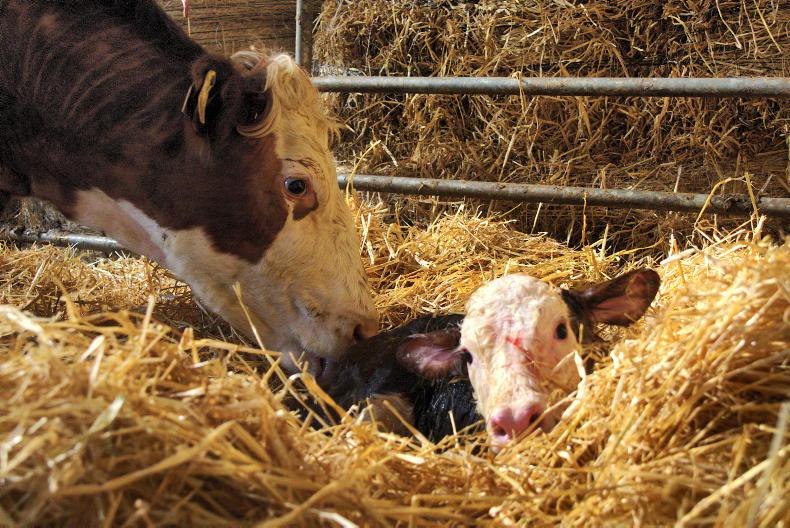
Out of the seven new Farm Sustainability Standards (FSS) which now apply to farm payments, the last three relate to issues around animal health, welfare and traceability.
FSS 5 brings biosecurity, disease control and food-safety requirements into a single regime. The aim of this standard is to protect public and animal health, as well as supporting agri-food producers by minimising the risk from animal diseases.
The regulations reinforce controls on livestock movements: animals under TB, BVD, TSE or epizootic disease restrictions cannot be moved without a DAERA licence and farmers are not allowed to purchase or sell diseased stock.
Welfare
FSS6 sets minimum legal requirements for the welfare of all farmed animals both on-farm and during transport.
The standard reinforces farmers’ duties to provide clean housing, adequate lighting and ventilation, and prompt veterinary care.
Animals must have freedom of movement, species-appropriate diets and constant access to clean water, with full records kept of treatments and mortalities for at least three years.
Additional rules apply to calves, such as weight-based space allowances.
Transport rules prohibit moving unfit, heavily pregnant females for whom 90 % or more of the expected gestation period has already passed, females who have given birth in the previous week or very young animals.
Identification
FSS7 relates to livestock identification. Calves must be double-tagged within 20 days of birth, while sheep and goats require two matching identifiers — including an EID tag for sheep — before they leave the holding.
Lost or illegible tags must be replaced within 28 days, and all details must be recorded accurately in herd or flock registers kept in an approved format.




SHARING OPTIONS