


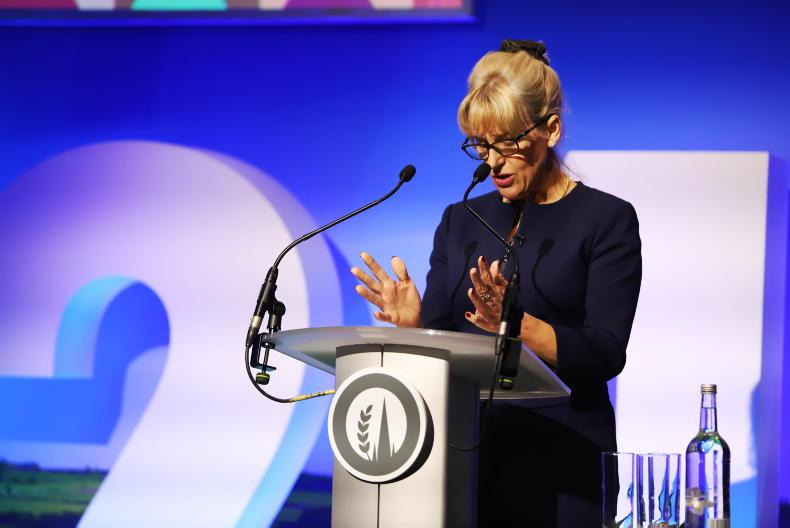
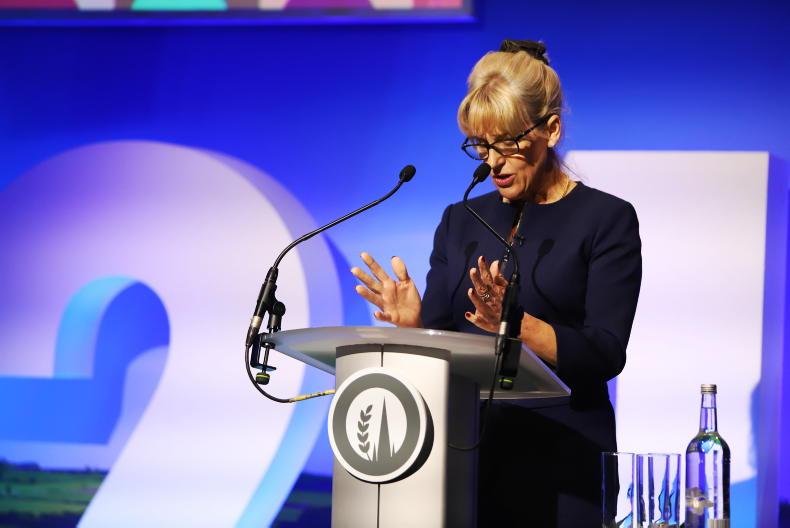
Last Thursday 18 December, DEFRA finally published an independent review of farm profitability by the former leader of the National Farmers’ Union, Minette Batters.
The document had been submitted on 31 October, so it took ministers and civil servants seven weeks to digest its contents and agree to the main recommendation, which involves putting industry leaders and DEFRA in the same room to discuss profitability on farms.
History has taught farmers to be pretty sceptical of such initiatives, especially when the likes of DEFRA seem to hold little sway over the decisions taken by other parts of government.
For example, despite the warnings from within, farmers will never forgive the last Tory-led government, who in their pursuit of post-Brexit trade deals, threw open the doors to food imports from Australia and New Zealand.
In the same vein, Labour will never be forgiven for tinkering with farm reliefs from inheritance tax.
Given the campaign against the inheritance tax changes, many within farming circles thought Minette Batters should not have agreed to undertake a review into farm profitability.
Fear
The fear was that the work would be cited and used by Labour as an example of how it is trying to improve UK agriculture.
However, farmers aren’t easily swayed and unless Labour row back on its plans to reform inheritance tax, everything else it does up to the next general election will be largely irrelevant.
In her report, Batters does acknowledge most of the people she spoke to thought it was a “bad idea” to take on the review. She does make a couple of fleeting references to inheritance tax proposals, including that farmers are “bewildered and frightened” of what might lie ahead, but she is clear that the issue is beyond the terms of what she was asked to do.
However, outside of that there are some points raised by Batters that should be noted by the industry here. They include the need for civil servants and policymakers to get out on to farms to experience what is actually happening there, and for much closer co-ordination among organisations involved in farm-related research, education and advice.





SHARING OPTIONS