


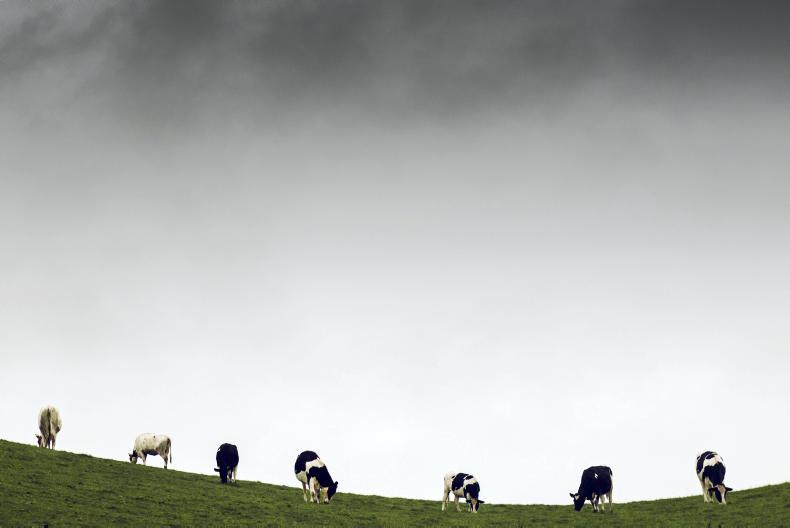
Just 20 years ago there were 2,121 dairy herds in Scotland. Today there are 957. During that time, the number of cows has fallen from 210,000 to just over 175,194, as the average dairy herd increases in size. And while milk prices are returning to the 30ppl mark now, prices over the last number of years have made dairying particularly difficult.
With the average dairy farm income falling from more than £81,000 in 2013-2014 to just £1,884 in 2015-2016, recommendations around cost savings could not be more welcome.
A new report from AHDB shows that running a block calving system, where cows calve within a 12-week window, results in a potentially higher margin on dairy farms. This is despite the fact that it usually means having a lower milk price, depending on what supply contract the farm is on.
“If we look at our competitors in the world market, they have systems that suit their climate,” said Tom Hind, chief strategy officer at AHDB. “Scottish dairy farmers are well invested, but there is a wide range in performance. We’ve fallen into a system without looking at Key Performance Indicators or what the consumer needs.”
According to AHDB’s milk price calculator, typical autumn-calvers get slightly higher prices from standard manufacturing contracts than all-year-round calving systems. Spring-calving herds normally receive 1ppl less than all-year-round herds, while both block calving systems achieve lower average milk prices than an all-year-round herd supplying the liquid market.
However, moving to a block calving system could result in a saving of 2.4ppl if implementing a spring-calving system, or 1.3ppl with an autumn-calving system. This is based on a five-year average performance, which calculates that all-year-round calving herds have a 30.3ppl cost of production.
Over 80% of British dairy farms identify themselves as having a block calving system. It is not clear whether this is a conscious decision, or if it has just evolved. But moving towards a seasonal sytem, like that in New Zealand or Ireland, would have additional processing costs. However, with Brexit on the horizon and a possible decrease in subsidies, AHDB has called for a joined-up industry approach that would make British dairy farmers more competitive.
“The biggest concern among the dairy board is the reputation of products and their nutritional benefits,” Hind added, referring to the bad press that dairy farming has received in recent years. “We have invested £1.2m per year into a campaign with Dairy UK and processors to put dairy on the front foot. This will be a combination of social media, food bloggers, journalism and advertising.”




SHARING OPTIONS