


New Zealand's Climate Change minister and former Trade Minister Tim Groser said on Thursday that the way greenhouse gas emissions are accounted for in international negotiations are inconsistent with the need to supply more food for the world's growing population from efficient agricultural producers like New Zealand and Ireland, as well as developing countries.
"The Kyoto modalities were developed with industrial emissions by industrial countries in mind," he said in reference to the 1997 Kyoto protocol on climate change. "Their generally small agriculture emissions were an afterthought. Even for the US, the world’s largest agricultural exporter and one of the world’s largest emitters of greenhouse gas from agriculture, agriculture emissions account for only around 7% of their total emissions."
As a result, heavily industrialised nations can afford to be complacent about emissions from their agriculture, while countries such as Ireland and New Zealand come under increased pressure because emissions from farming account for one third to half of the greenhouse gases they produce, Groser added.
Bring developing countries on board
However, "that was the past – we now need developing countries to start to take mitigation actions," Groser said. "And many of them have a huge proportion of their total emissions coming from agriculture."
If international negotiators want to have a real impact on climate change, they need to take this reality into account and bring developing countries on board, he insisted. "This is no longer just ‘a New Zealand problem’."
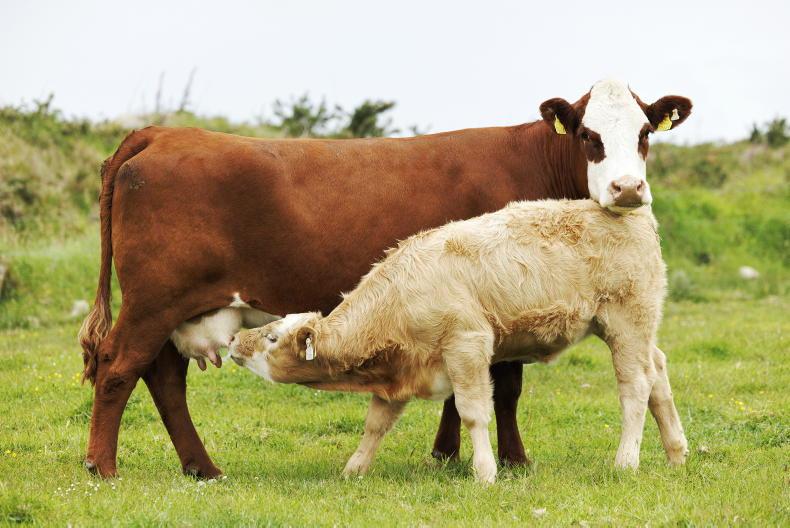
Groser also said that New Zealand was investing in research to reduce greenhouse gas emissions from agriculture, including through breeding, feeding and treating livestock to inhibit methane emissions from their digestive systems.
"The New Zealand Agricultural Greenhouse Gas Research Centre has recently identified compounds that reduced methane emissions from livestock digestion (enteric fermentation) in animal trials by 30 to 90%," he said.
He however admitted that obstacles remained before such technologies could be brought to market.
Watch a video interview with Tim Groser below, produced by the Institute of International and European Affairs, who invited him to speak at the RDS this week.
Read more
Coveney defends sustainability of Irish agriculture at Economic Dialogue



SHARING OPTIONS