


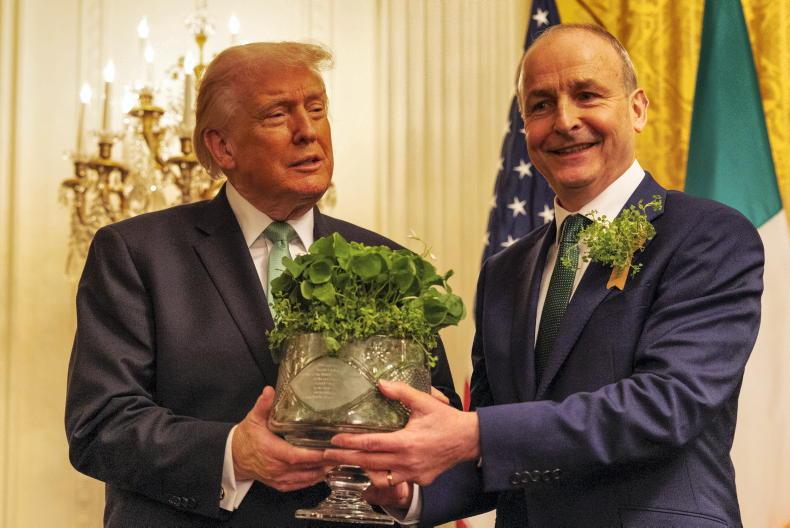
On the occasion of St Patrick’s Day, with the annual Taoiseach’s visit to the White House, it was inevitable that the focus this week would be on the political, trade and economic relationships between Ireland and the USA.
There’s no doubt that it’s crucial for our economy that we maintain functional diplomatic relations with the United States, which is not always easy in the current climate. But the reality for Irish farming is that the key relationships lie to the east, not the west. The EU is our main market. The EU is the determinant of the Common Agricultural Policy (CAP).
The EU is the rule maker and adjudicator for almost everything we do in Irish farming. So the key relationships for Irish farming are between Dublin and Brussels, and between Dublin and key member state governments, whether that’s in Berlin, Paris, Rome, or Warsaw. That’s particularly true this year, with the next CAP a main focus of the Irish presidency from July.
The second key relationship, of course, is between Ireland and the UK. Last week, we had Keir Starmer in Cork for the UK-Ireland summit. On Tuesday, Micheál Martin intervened to defend Keir Starmer against Donald Trump’s criticisms (while also throwing shade on Trump’s hero Winston Churchill).
Minister of State for Forestry Michael Healy Ray, was in Latvia this week. Much like the Skibbereen Eagle, Latvia, like it’s Baltic neighbours, will always be keeping an eye on Russia, especially under Putin.
That relationship between Ireland and the UK has been changed by Brexit. Ironically, following all the strife over a workable solution for trade and standards on the Irish/UK border, we are now one of the UK’s closer allies within the EU.
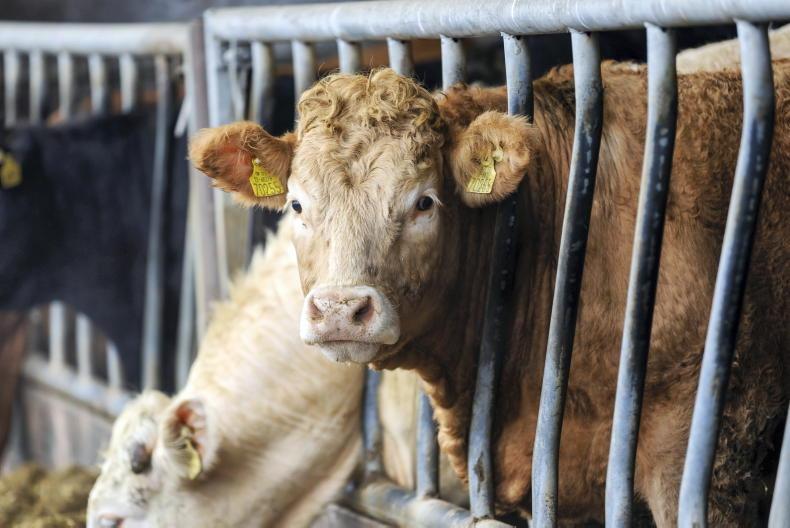
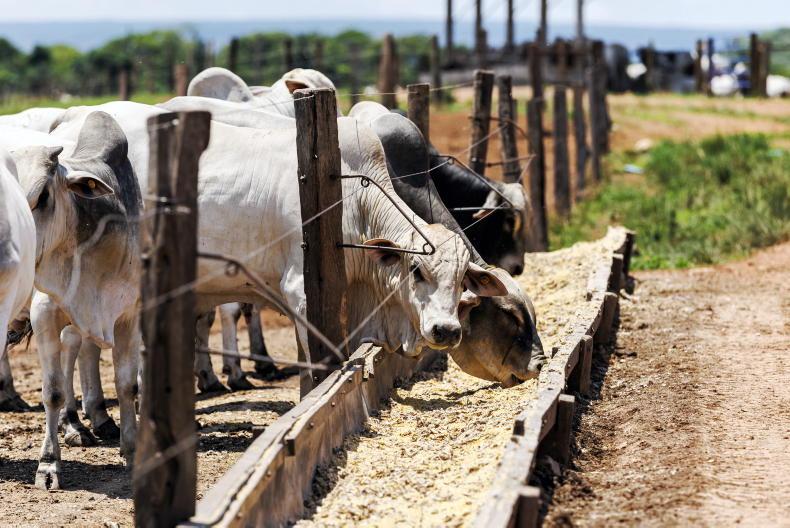
Over 95% of our beef exports go to Britain and the EU, with an even split between them. They are also our two most important markets for dairy exports. We are unable to influence Britain’s trade relationships with third parties, and we are already seeing the pressure on Irish beef from third country imports to the UK, Australia and New Zealand in particular.
Ironically, following all the strife over a workable solution for trade and standards on the Irish/UK border, we are now one of the UK’s closer allies within the EU
IBEC CEO Danny McCoy spoke at the weekend of how the current governments of some of the main EU states, under huge domestic pressure, are placing less emphasis on the European project than they once did. That, if true, spells danger for Irish agriculture.
Obviously, it would increase the difficulty of overturning the proposed cut in the CAP budget, and the blurring effect of merging CAP with other funding. A re-nationalisation of markets would be a disaster for our exports.
So while the hoo-hah over the annual shamrock ceremony will pass in a week or two, the continuous debate within the EU, and the parallel relationship between the UK and Ireland, must stay sharply within focus.


SHARING OPTIONS