


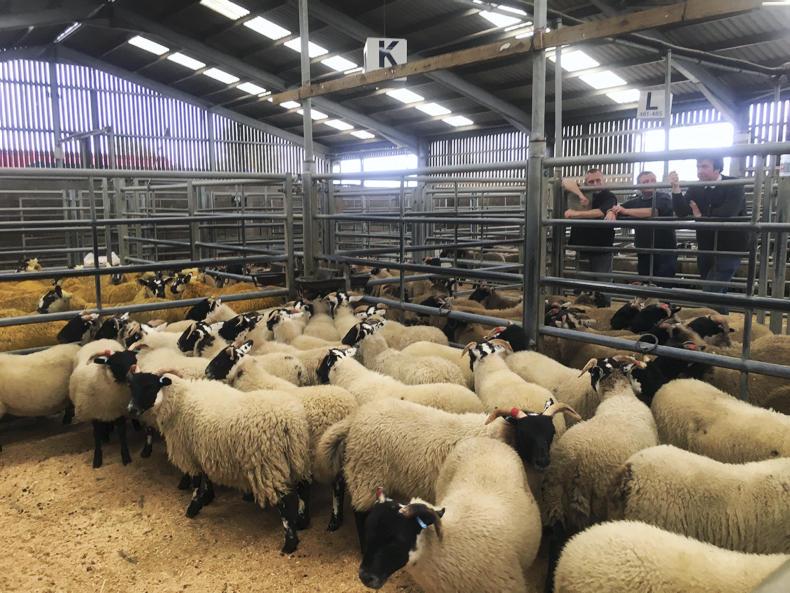
The trees are turning and it is noticeably colder. The bracken on the hill is changing colour and days are getting shorter. This is the time of year when we are fairly busy on a hill farm. Gathering to wean lambs, draw off the old ewes and keel the stock ewes going back to the hill.
We are fairly well on with speaning (weaning) at the home farm, but on our other hill farm Duncroisk, we cannot gather until after the stag stalking season finishes on 20 October. This is the downside of being a tenant on a sporting estate.
One problem of not being able to gather before the end of October is that we need to keep the cast ewes in at shearing time. Otherwise, we miss the specific sales for them. However, being weaned a few weeks early gives the ewes a chance to mend before the sale, if there is enough grass in the hill parks.
The main problem, however, has been that we also have to sort out which ewe lambs are kept for stock at the shearing gather and not speaning when they would normally be selected and sent off to wintering. This is because Duncroisk is region 3 land under the Basic Payment Scheme, getting a low area payment which is then supplemented by SUSS or the ewe hogg payment scheme. SUSS is a bugbear of mine for many reasons, one being the dates of implementation of its various stages did not fit in well with hill farming operations. It was devised by “experts” who should know better.
Implementation dates have been changed this year which should help. It is still a very flawed scheme, difficult for farmers to implement and easy to get penalised for due to the penalty formula used at inspection.
Most of our lambs are put away to grass and sold through the winter and spring, when hopefully the fat price is improving. We do sell a couple of hundred as stores through September/October. However, prices so far have been disappointing. It is strange that hay, silage and straw prices can rocket prior to harvest this year, but lamb prices stagnate or drop when it was obvious at lambing time that lambs were not going to be there at all. There is something wrong with a system where the end price of a production system is kept low by the power of those last in the production chain, ie supermarkets. It is all down to Westminster and its continued stance that food prices cannot increase to the consumer.
This shortsighted attitude makes me wonder how long, as producers, we can all carry on farming. In the hill farming/livestock farming sector there are more people cutting back or selling up than increasing production.
Forestry
More hill land is being sold for forestry operations. Arable farming is no different with rising growing costs against pressure to keep the harvested product prices down. I know there are some who will argue it can be sourced from abroad cheaper, but eventually economics will kick in and the rules of supply and demand will prevail.
The last few days have been spent getting sheep ready for the breeding sales over the next fortnight. We keep most of our surplus ewe lambs through the winter and sell as gimmers the following autumn. Most of them go to farmers to cross with a Blueface Leicester tup to produce mule ewe lambs. These farmers have had to take lower prices than last year for their mule lambs and gimmers which will probably then affect our trade.
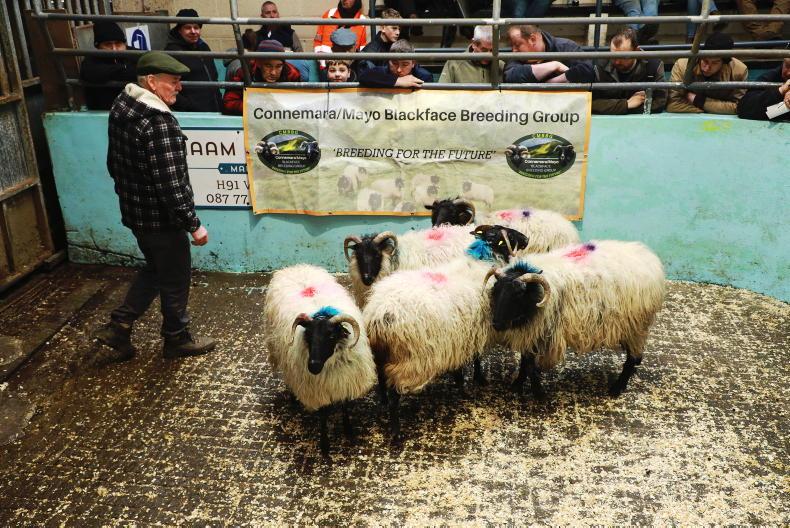
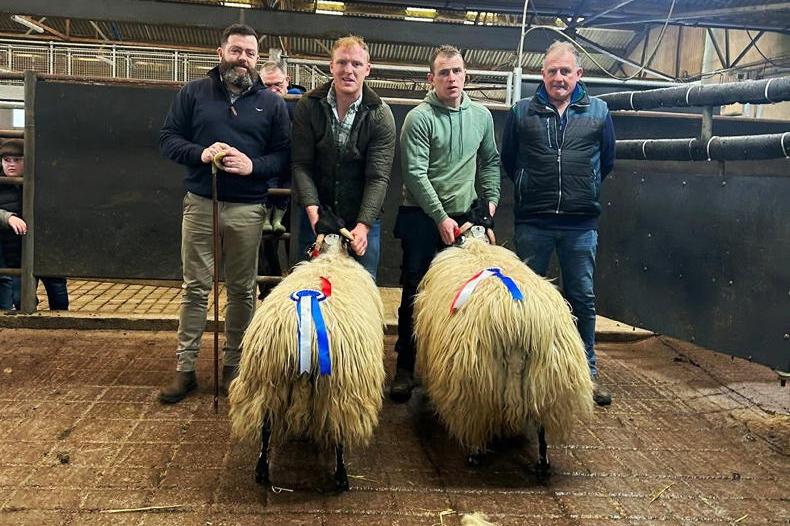
Once the female sales are passed, people’s attentions turn to tup sales. I’ve no doubt tup sale fever will kick in again, and there will be some very high prices paid for tups. I sometimes think tup breeders have forgotten who they are producing tups for. Hill ewes have to live and produce on relatively poor hill land on a low-input/low-output system. It is very difficult to buy a genuine hill tup that will survive and work on such hills in November/December. It is certainly not the tup’s fault and hardly surprising that many hill tups don’t make it through tupping time.



SHARING OPTIONS