


In media circles, the summer holiday season is regarded as the "silly season", meaning that all sorts of weird and wonderful stories make it into mainstream news.
Farming is somewhat different in that there is plenty of activity around shows and harvests, with prices as they are this year often a newsworthy item.
In normal times, reports of a UK departure would fit into a spectacular if unlikely event. However, normal times haven’t existed in the UK since the vote to leave in 2016 when the decision was made without any indication of what leaving might look like or what future relationship would be entered into.
The prime minister of the day resigned immediately, leaving his successor to pick up the pieces of the referendum he called without ever contemplating that the outcome may be to get out.
Third prime minister dealing with Brexit
His successor tried to pick up the pieces and formulate a central policy between those in her party who wanted a close relationship with the EU and those who wanted the maximum distance between the UK and EU on departure.
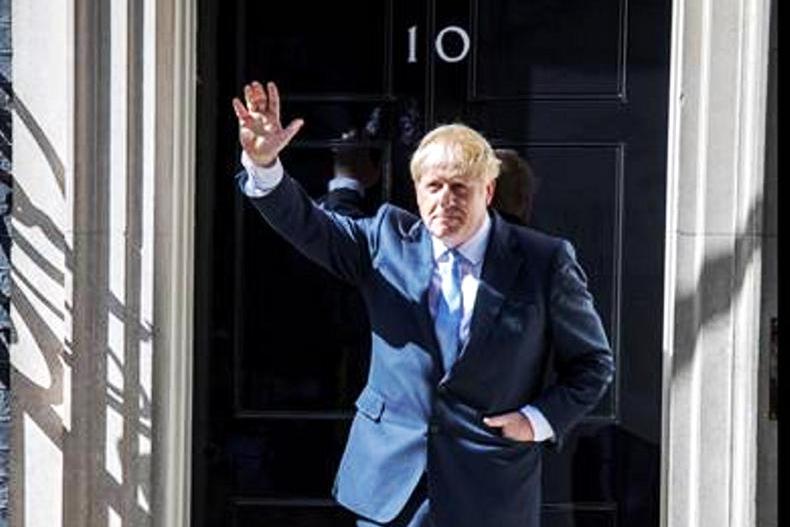
In trying to be everything, she failed to be anything and left office 10 days ago, handing the baton of departure over to Boris Johnson who is unequivocal that he is taking the UK out, whatever the consequences.
Whether he does depend on parliament finding a way of stopping him, which it may or may not be able to do.
Concern in UK regions
He has now toured the four regions of the UK and has farmers worried even in Wales, which was pro-Brexit in the referendum.
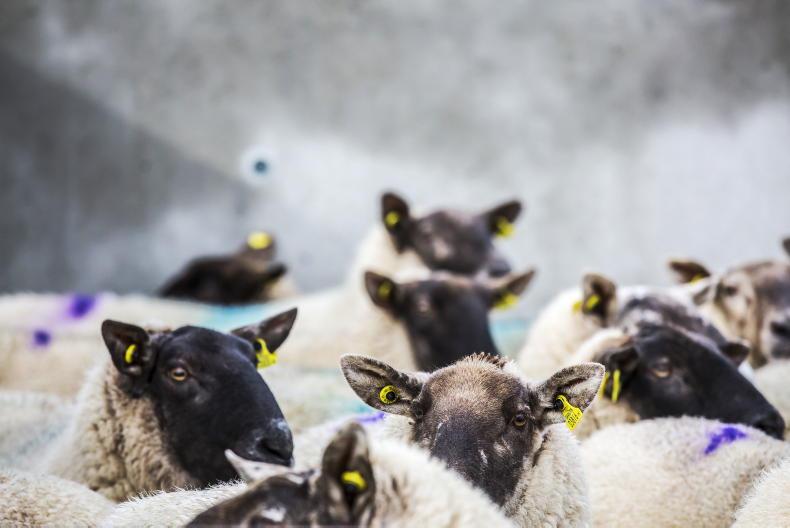
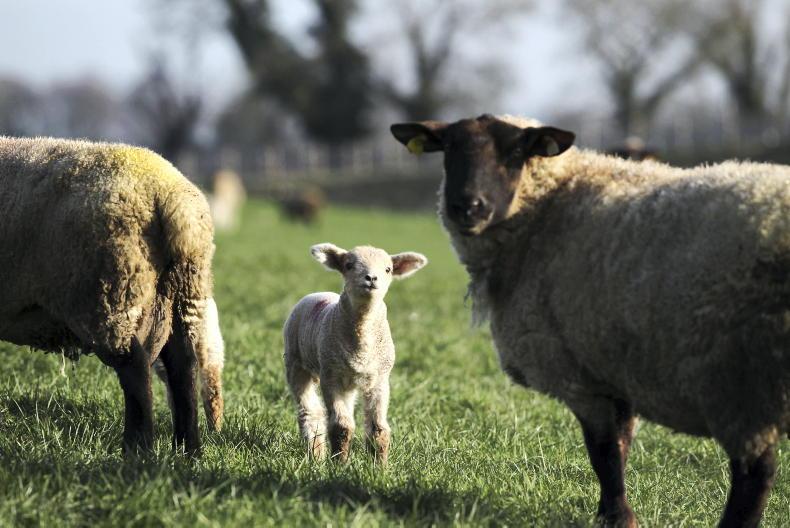
Sheep farming is particularly important to Wales and it is the one meat of which the UK is a huge exporter, the third-largest in the world after Australia and New Zealand.
In Scotland, officials are trying to row back on the promise Johnson made on the hustings earlier in July to redress the Scottish grievance on EU convergence money to flat rate payments in the last CAP.
He was expected at the Clogher Valley show when he was in Northern Ireland on Wednesday but perhaps after his experience in Wales on Tuesday thought it better to give farming a miss.
Threat of no deal is real
What is certain is that farmers in the North will have the worst of all worlds if he follows through on a no-deal Brexit.
A leaked civil service report warns of cross-border trade grinding to a halt, which of course is inevitable if there is a reversion to trade on WTO terms.
Farmers are already struggling with weak market prices. Brexit uncertainty has an impact on consumer behaviour and markets, so in a way the consequences of Brexit are already being felt in farming.
The worrying news is that it has a big chance of getting worse as a no-deal departure is now the mindset of those with the levers of power in Westminster.



SHARING OPTIONS