


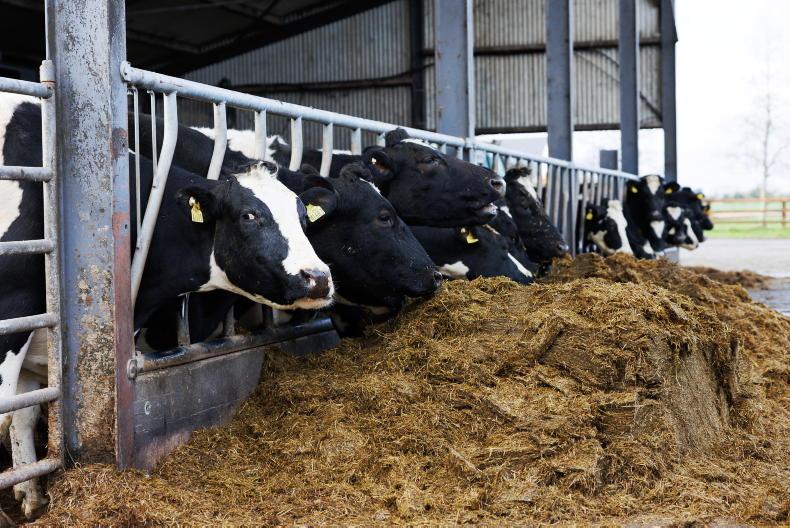
FRS Co-op has found that 82% of farms with FRS Farm Services staff had cattle housed for the whole of last month, its February 2026 calving insights survey shows.
It has also been noted through the survey that as a result of housing cattle inside for longer than usual, it has led to longer working hours on farms or increased spend on outside labour, with increased pressure in managing feed, silage and slurry storage.
Other issues mentioned anecdotally include farms struggling with shed cleanliness and hygiene due to slurry storage issues, leading to more cases of mastitis and an increase in cow falls and injuries on slippery surfaces in sheds as some cows are coming into heat.
Milk yield and quality is also down as a result of farmers not being able to get cows out to grass.
Calving
The survey has also shown that on average 63% of cows had calved on farms as of 28 February.
Despite the added workload on farms, the majority of respondents (60%) said that this year’s calving season has been similar to last year.
However, a minority of farms have seen their calving period delayed or prolonged.
Farmers have been quick to sell calves once they are of age due to slurry storage concerns. On average, 60% of farms have begun selling calves on so far this year.
“The start of 2026 has not been easy for Irish farmers. The usual challenges of calving have been multiplied by the wet weather experienced over the last two months.
"From surveying our network of FRS Farm Services staff, it has become apparent that not being able to get cattle out on to grass has led to slurry storage issues, animal health concerns and lower milk yields,” FRS Farm Services manager for Cork Graham Keane said.






SHARING OPTIONS