RHI tariffs were originally to be paid to scheme participants for 20 years, but a cross-party commitment was given in January 2020 to shut the scheme down.
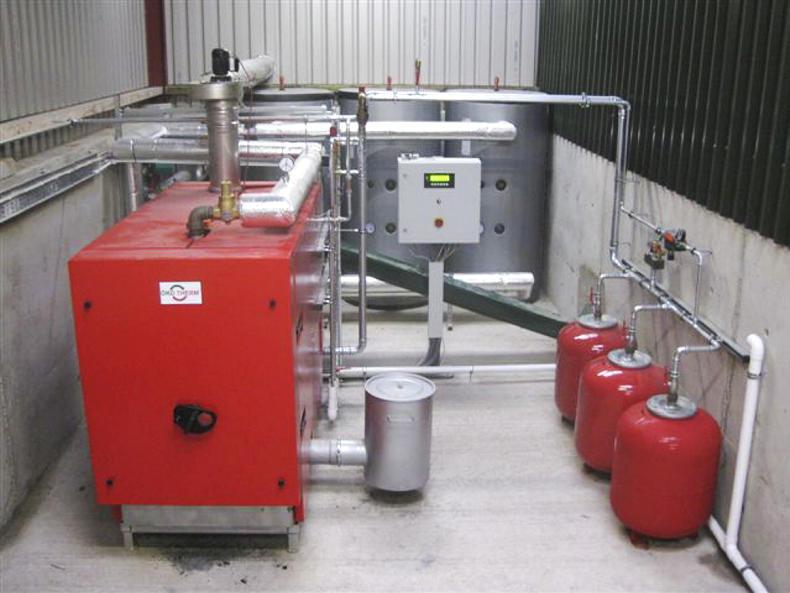
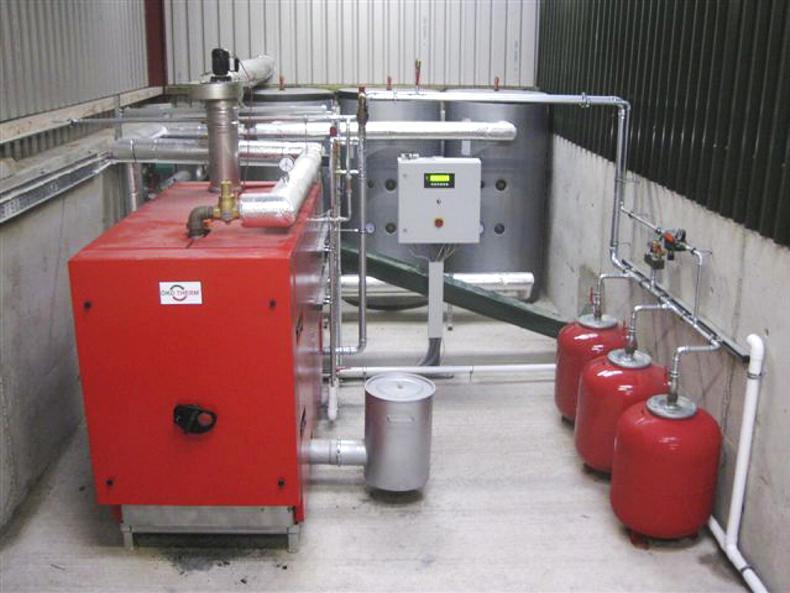
There was a strong uptake of the RHI scheme among poultry producers in NI.
ADVERTISEMENT
The Renewable Heat Incentive (RHI) scheme could cut greenhouse gas emissions in NI by up to 7% by 2030, according to calculations by DAERA officials.
The figure is contained within a letter sent to Finance Minister Conor Murphy last year by Agriculture Minister Edwin Poots. In the letter, Minister Poots expresses his opposition to plans to close the RHI scheme for all existing participants.
“Closure of the scheme will be damaging to the environment; and there is unlikely to be significant uptake of a future scheme, given the handling of this scheme,” he said.
ADVERTISEMENT
RHI tariffs were originally to be paid to scheme participants for 20 years, but a cross-party commitment was given in the New Decade, New Approach deal in January 2020 to shut the scheme down.
Any move to close the scheme must now come from the Department for the Economy, who is headed up by Minister Poots’ DUP colleague Gordon Lyons. A public consultation on the future of RHI closed for responses in April 2021.
“Responses received during the consultation process are informing a paper which the Minister (Gordon Lyons) intends to bring to the Executive for a decision on the future of the scheme,” a department spokesperson said.
Register for free to read this story and our free stories.
This content is available to digital subscribers and loyalty code users only. Sign in to your account, use the code or subscribe to get unlimited access.
However, if you would like to share the information in this article, you may use the headline, summary and link below:
Title: RHI could cut NI emissions by 7%
RHI tariffs were originally to be paid to scheme participants for 20 years, but a cross-party commitment was given in January 2020 to shut the scheme down.
The reader loyalty code gives you full access to the site from when you enter it until the following Wednesday at 9pm. Find your unique code on the back page of Irish Country Living every week.
CODE ACCEPTED
You have full access to the site until next Wednesday at 9pm.
CODE NOT VALID
Please try again or contact support.
The Renewable Heat Incentive (RHI) scheme could cut greenhouse gas emissions in NI by up to 7% by 2030, according to calculations by DAERA officials.
The figure is contained within a letter sent to Finance Minister Conor Murphy last year by Agriculture Minister Edwin Poots. In the letter, Minister Poots expresses his opposition to plans to close the RHI scheme for all existing participants.
“Closure of the scheme will be damaging to the environment; and there is unlikely to be significant uptake of a future scheme, given the handling of this scheme,” he said.
RHI tariffs were originally to be paid to scheme participants for 20 years, but a cross-party commitment was given in the New Decade, New Approach deal in January 2020 to shut the scheme down.
Any move to close the scheme must now come from the Department for the Economy, who is headed up by Minister Poots’ DUP colleague Gordon Lyons. A public consultation on the future of RHI closed for responses in April 2021.
“Responses received during the consultation process are informing a paper which the Minister (Gordon Lyons) intends to bring to the Executive for a decision on the future of the scheme,” a department spokesperson said.
If you would like to speak to a member of our team, please call us on 01-4199525.
Link sent to your email address
We have sent an email to your address. Please click on the link in this email to reset your password. If you can't find it in your inbox, please check your spam folder. If you can't find the email, please call us on 01-4199525.
ENTER YOUR LOYALTY CODE:
The reader loyalty code gives you full access to the site from when you enter it until the following Wednesday at 9pm. Find your unique code on the back page of Irish Country Living every week.







SHARING OPTIONS