




For many farmers, the European Union can feel distant, complex and slow to respond. As a farmer myself, I understand this perception - legislation often moves slowly, jargon piles up and meaningful change can seem elusive.
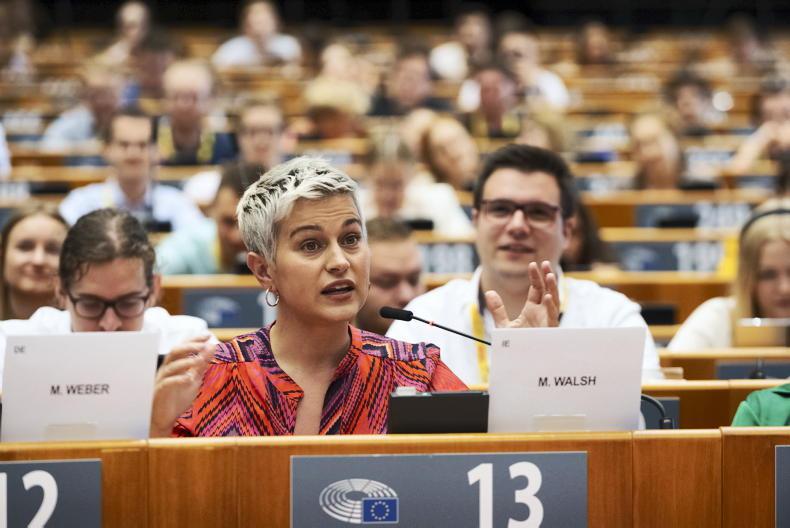
The past 18 months that I have been a member of the European Parliament’s agriculture committee have been challenging, with a new and reduced CAP proposal on the table, as well as the fight against the Mercosur trade agreement.
However, despite public perception at times, we are also making progress. Ireland secured an extension of our crucial nitrates derogation, real progress is being made on generational renewal, CAP simplification proposals have been introduced and we have a new agriculture commissioner who understands the reality of farmers’ mental health.
Making the CAP work for farmers
One of the most tangible results of sustained pressure from Irish farmers has been the European Commission’s CAP simplification package.
I have consistently raised the impact of excessive bureaucracy, inspections and conditionalities with the Commission and within the agriculture committee. Farmers told me clearly that the system had become unworkable.
The commitment to reduce inspections to one per farm per year, introduce greater flexibility and simplify applications reflects a shift that I, along with colleagues, pushed for. While simplification alone will not fix every problem, it is a clear acknowledgment that farmers were right to demand change.
Just as important as simplification is protecting the CAP budget itself. In the agriculture committee and through the EPP farmers’ group, I have argued strongly for maintaining the current CAP two-pillar structure and increasing its budget in line with inflation.
At a time when EU finances are under pressure, I have been clear that food security, farm viability and rural communities cannot be treated as optional extras.
We undoubtedly face an uphill battle as the Commission aims to cut the overall CAP envelope. However, the Parliament has taken a stronger, more united position on this than ever before and that unity matters as we approach negotiations on the post-2027 CAP.
EU-Mercosur trade agreement
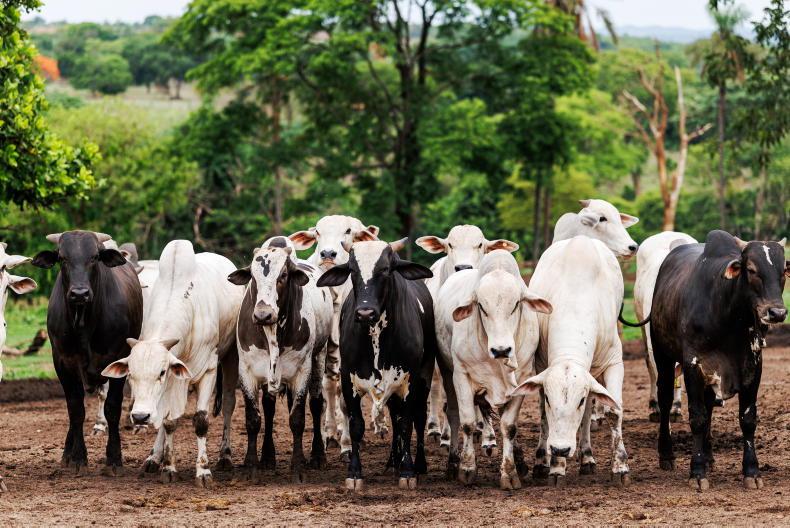
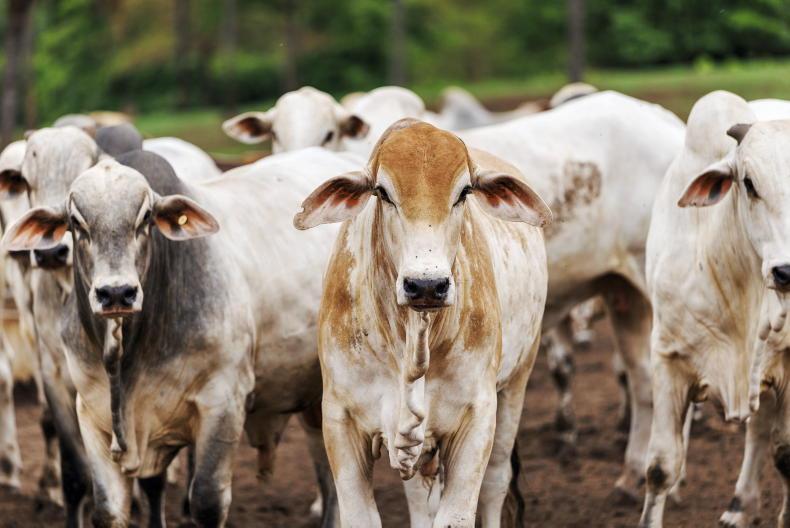
When I speak with farmers, particularly those in the beef sector, I hear one concern arise time and again - the EU-Mercosur trade agreement. From the beginning, I have taken a firm and public stance against the agreement. Just this week, I have publicly called for the Irish Government to formally reject the deal in its entirety.
This is not an ideological position - it is a practical one. Irish beef farmers cannot be asked to compete with imports produced at lower environmental and labour standards.
I have raised these concerns directly with both the trade and agriculture commissioners and will continue to oppose any agreement that undermines Irish farm incomes or hard-won standards.
A win for Ireland with nitrates extension
We cannot talk about EU agriculture policy that impacts Irish farmers without acknowledging the nitrates derogation.
After months of political lobbying, led by my Fine Gael colleague Minister Martin Heydon, and hard work from Irish farmers, we finally secured a three-year extension to the derogation.
While this is welcome news for many Irish farmers, the work cannot stop here. Preparations for the post-2028 period must begin now, with a focus on recognising existing national legislation, scientific evidence and the significant efforts already made by Irish farmers.
My position has been clear: environmental ambition must go hand in hand with economic viability.
Protecting farmers’ mental health and encouraging the next generation
Beyond policy files, I have worked to ensure that the human side of farming is not ignored. Mental health pressures in farming have intensified in recent years, driven by financial stress, isolation, regulatory uncertainty and the emotional toll of disease outbreaks and extreme weather events.
I have raised this issue directly with the European Commissioner for Agriculture and within Parliament, because farmer wellbeing must be recognised as a core pillar of sustainability. A sector cannot survive if the people within it are struggling to cope.
Looking to the future, generational renewal is one of the issues I am most determined to address. The most recent data shows that compared with other sectors of the economy, agriculture has one of the lowest proportions of workers under 40 years old.
In Ireland too, the reality is stark: only 7% of Irish farmers are under 35, while more than 30% are over 65.
I have consistently argued that the current CAP is failing to deliver meaningful generational renewal and that this must change. I have called for stronger income supports for young farmers, better access to finance and a serious rethink of how CAP measures are designed.
Ireland’s presidency of the Council of the European Union in 2026 will coincide with negotiations on the next CAP, meaning that Ireland will be steering these negotiations both on the CAP and the EU budget for 2028-2034. I am already working to ensure generational renewal is placed at the centre of those discussions.
Across CAP reform, trade, mental health and young farmers, my approach has been consistent: listen to farmers, bring their concerns into Brussels and fight for outcomes that work on Irish farms.
Progress has been made, but the work is far from done. The coming years will be decisive for Irish agriculture - and I will continue to use every lever available to me to deliver for farmers and rural communities.
To find out more, visit https://mariawalsh.eu/.



SHARING OPTIONS