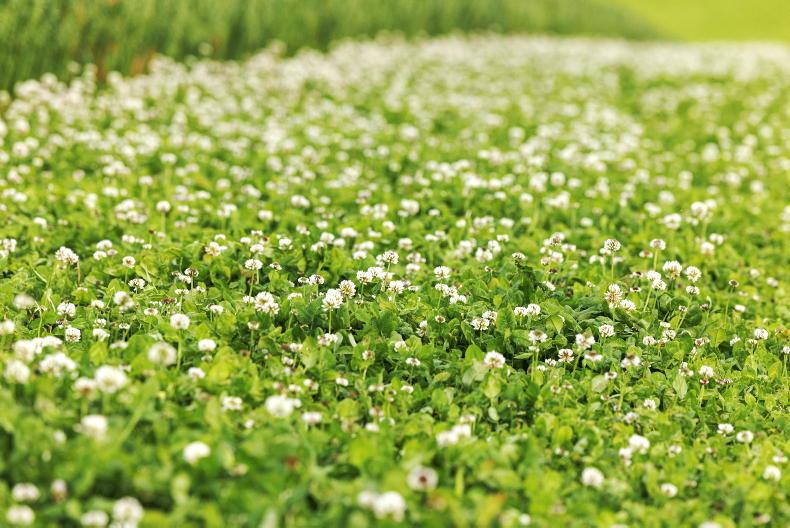
Amid growing interest in multi-species swards and their potential to increase animal performance while improving herbage yield at reduced chemical nitrogen input levels, Teagasc Grange is establishing a new research project to examine their role in Irish suckler-beef systems.
The project will compare animal performance across different sward types - perennial ryegrass v multi-species swards, as well as using a combination of animal genetics.
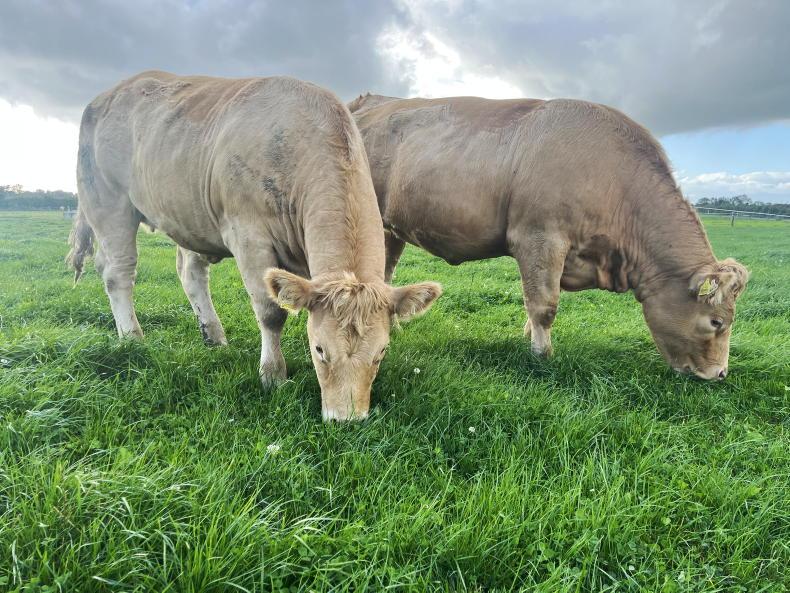
Late-maturing (continental) breeds with varying abilities to lay down carcase fat will be examined to see if cattle can be slaughtered off herbage alone or whether concentrate feeding and/or a housed finishing period is required to achieve suitable carcase specification for fat score at a younger slaughter age.
ADVERTISEMENT
Teagasc says that the overall objective of the study is to assess the impact of genetic divergence for fatness in late-maturing breeds, pasture type and slaughter age on the economic, biological, health and greenhouse gas emissions performance of suckler weanling-to-beef production systems.
This content is available to digital subscribers and loyalty code users only. Sign in to your account, use the code or subscribe to get unlimited access.
The reader loyalty code gives you full access to the site from when you enter it until the following Wednesday at 9pm. Find your unique code on the back page of Irish Country Living every week.
CODE ACCEPTED
You have full access to the site until next Wednesday at 9pm.
CODE NOT VALID
Please try again or contact support.
Amid growing interest in multi-species swards and their potential to increase animal performance while improving herbage yield at reduced chemical nitrogen input levels, Teagasc Grange is establishing a new research project to examine their role in Irish suckler-beef systems.
The project will compare animal performance across different sward types - perennial ryegrass v multi-species swards, as well as using a combination of animal genetics.
Late-maturing (continental) breeds with varying abilities to lay down carcase fat will be examined to see if cattle can be slaughtered off herbage alone or whether concentrate feeding and/or a housed finishing period is required to achieve suitable carcase specification for fat score at a younger slaughter age.
Teagasc says that the overall objective of the study is to assess the impact of genetic divergence for fatness in late-maturing breeds, pasture type and slaughter age on the economic, biological, health and greenhouse gas emissions performance of suckler weanling-to-beef production systems.
If you would like to speak to a member of our team, please call us on 01-4199525.
Link sent to your email address
We have sent an email to your address. Please click on the link in this email to reset your password. If you can't find it in your inbox, please check your spam folder. If you can't find the email, please call us on 01-4199525.
ENTER YOUR LOYALTY CODE:
The reader loyalty code gives you full access to the site from when you enter it until the following Wednesday at 9pm. Find your unique code on the back page of Irish Country Living every week.






SHARING OPTIONS