


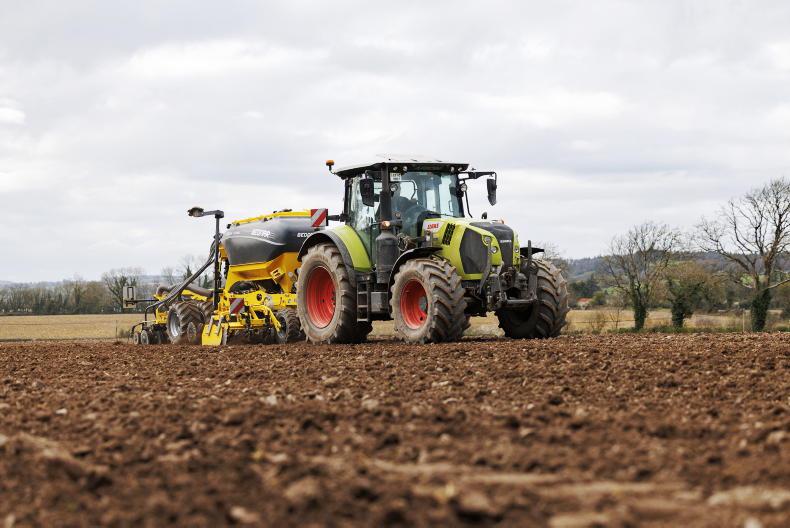
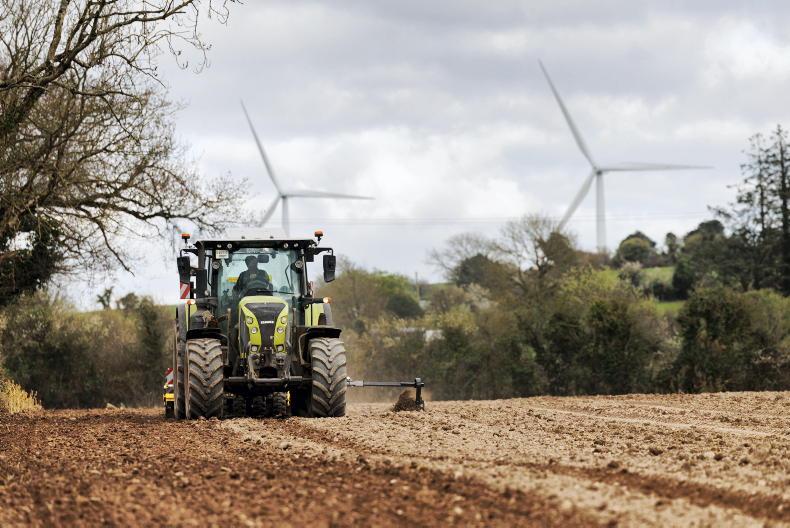
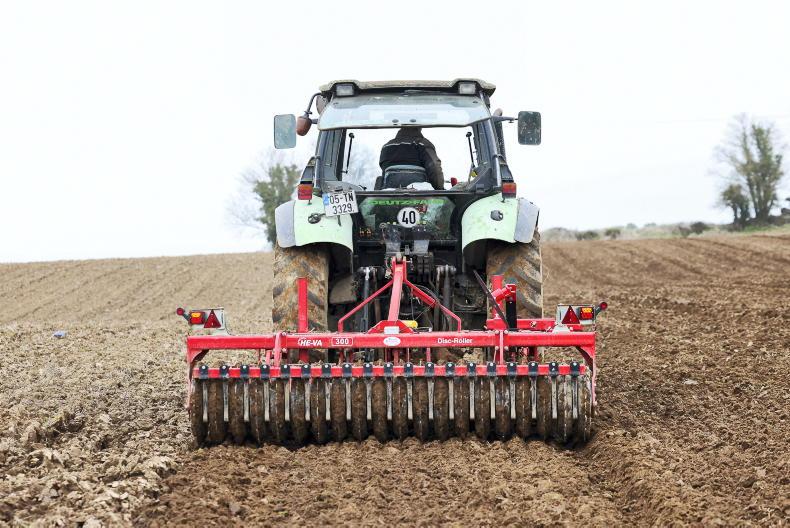
Sowing: After a wet weekend, some farmers started making it back to fields to prepare for sowing on Tuesday. It’s been a stop-start spring sowing campaign and most crops had yet to be planted when storm Dave interrupted progress.
Most beans are now sown, but those remaining should be planted as soon as possible and a pre-emergence herbicide applied.
There was some drying this week, but also showers and a nice amount of rain is forecast for Friday with showers over the weekend. Planting will likely be delayed further for many as land has to dry. Seed rates are still based on a target plant count of 300 plants/m2 and an establishment rate of 85%, but from mid-April the plant count should increase to 325 plants/m2 and an establishment rate of 90%.
Aiming for 300 plants with a thousand grain weight (TGW) of 54 and an establishment percentage of 85% equates to a seed rate of 190.5kg/ha. A plant count of 325 plants/m2 and an establishment rate of 90% makes a seed rate of 195kg/ha.
Apply compound to the seedbed. You may add some nitrogen if it is malting barley. Some earlier sown crops, albeit there wasn’t many of them, are likely close to emergence and malting barley should receive its nitrogen when the tramlines are visible to try and get the protein content right.
Scorch: Be very careful with crops in the coming days with scorch. There will be some extremes in temperatures. Extremes from warm to freezing or near it can cause scorch in crops. There are fluctuations from temperatures like 16°C to 5°C and 10°C to 2°C. There is also a chill in the air and the temperature is due to feel like it is into minus figures. Mixing growth regulators and herbicides in these conditions can impact crops. Be careful with liquid nitrogen and bio-stimulants with growth regulators. Winter crops are good so try not to set them back.
Wheat: A T0 fungicide will be a good idea on many winter crops as many varieties are susceptible to rust. Walk crops, check if there is disease present. A strobilurin will help to prevent rust, but a triazole like tebuconazole will knock it down. You may need both. Apply with a multisite fungicide like sulphur and if septoria is a concern then include the triazole or switch to Proline.
Oilseed rape: If you have not yet applied a growth regulator for branching you can still do so up to the yellow bud stage. Many crops are now flowering, but some may only be at the bud stage and could receive Caryx. You can add prothioconazole for extra protection against light leaf spot.
Beans: Pre-emergence herbicide is the best option for weed control. If you can roll crops before application, it will be ideal, but it may not be possible as land may not have dried. Apply herbicide in damp conditions where possible. You cannot travel on the crop after application or you will break the residual seal. Avoid sprayer overlaps as it will cause bleaching in plants from the herbicide.




SHARING OPTIONS