PICTURE ONE
Six months after the pipes were installed, water is still flowing strongly from this pipe. This indicates that the line of the pipe was well chosen. Given the rate of flow here, water is likely to flow from this pipe for most of the year.
PICTURE TWO
Last week, Dessie Taaffe was putting in stone drains across the main pipe drains, to catch surface water. To do so, he was using this new machine which he designed himself and had put together by David Boland of Ardee.
The unit consists of a large, eight-tonne stone cart modified to carry and continually feed a new-design stone drain plough attached behind its axle.
The stone drain plough is the yellow structure. The stone cart’s large side conveyor is folded up and out of use
PICTURE THREE
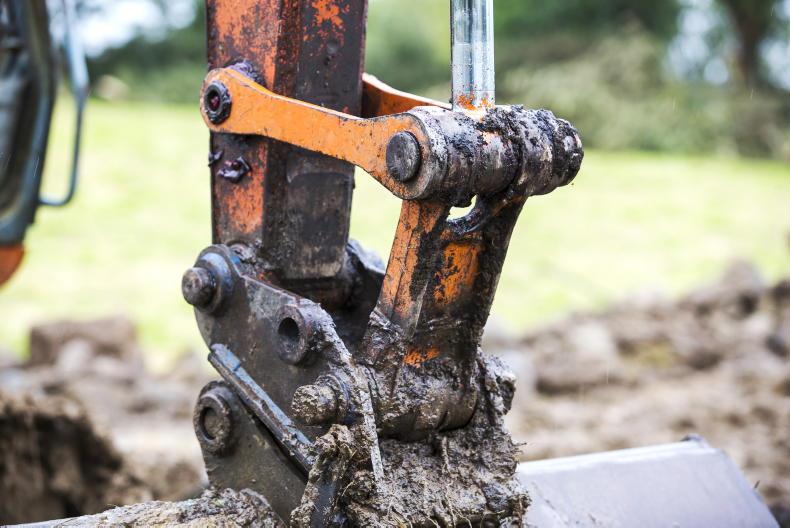
Here, we see the blade of the stone drain plough. It lowers down into the ground hydraulically, to a maximum depth of 24 inches, and it removes a three-inch wide block of soil and fills the gap to the top with 20mm pebble. The plate at the back can be raised or lowered and this sets the height of the stone drain.
Dessie designed the front of the blade to be long and shallow angled, so that it would lift the soil up and out of the way, to leave a clean channel that can be filled
PICTURES FOUR
The new drain plough in action. The blade has been lowered some 19 inches into the soil. It is removing a three-inch column of soil.
The 20mm stone is conveyed from the eight-tonne hopper of the cart to a small hopper, falls down through the hollow blade and fills the channel.
The conveyor is hydraulically driven and its speed can be adjusted from the tractor cab. A camera over the hopper shows, via a screen in the tractor cab, if flow rate needs to be adjusted.
Dessie uses this Sam land leveller to level after backfilling pipe drains and after every run of the new stone drain plough. It is worked with a hydraulic top link. This allows Dessie tilt the front blade of the leveller to cut the top of any high spot. The three following bars will pull a wall of soil, fill small hollows and break up clods.
When I visited then, this field was in a sorry state, having taken a pounding in the recent wet years. It is surrounded on three sides by higher fields and these are sending rainwater — at subsoil level — down to the lower field, where it appears as waterlogging and springs.
In November, Dessie Taaffe of Eagle Plant Hire put in three stoned pipe drains to lower the water table. Last week, he applied the finishing touches. He ploughed in stone drains, across and intercepting the pipe drains, to let surface water get down more easily.
Before
ADVERTISEMENT
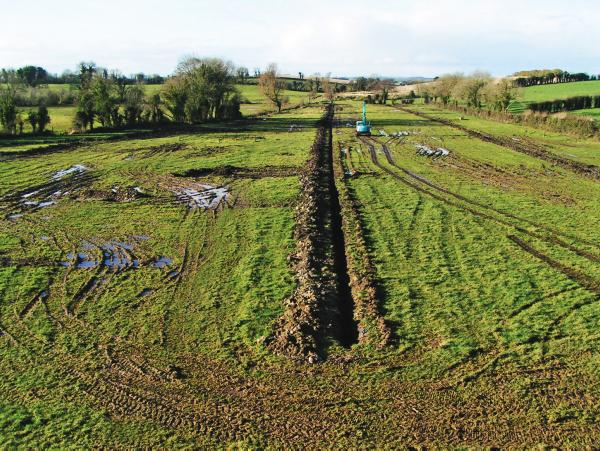
This was the field in November and we can see it was well waterlogged. Dessie Taaffe put in three main pipe drains running away from the camera and emptying into the watercourse at the lower, far end of the field. He put in one lateral piped drain.
The drains were four and six-inch corrugated pipe covered with 20 inches of drainage pebble.
After
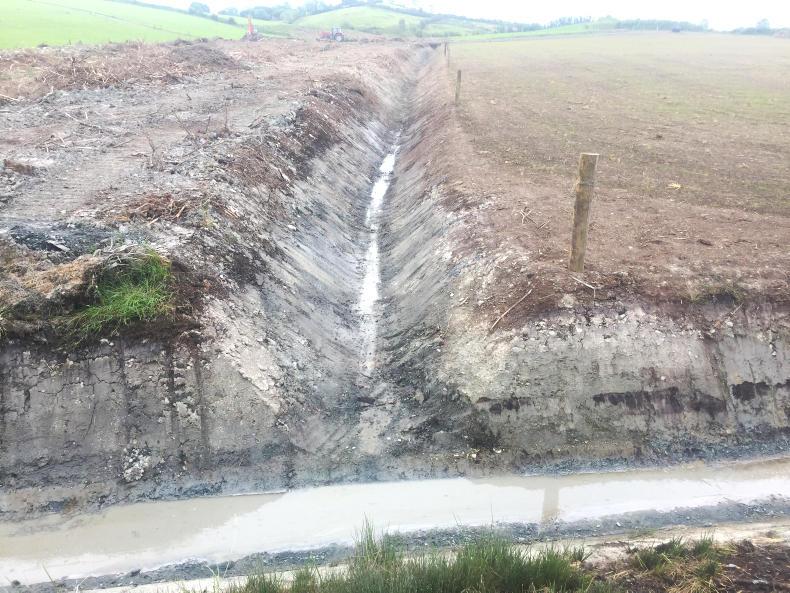
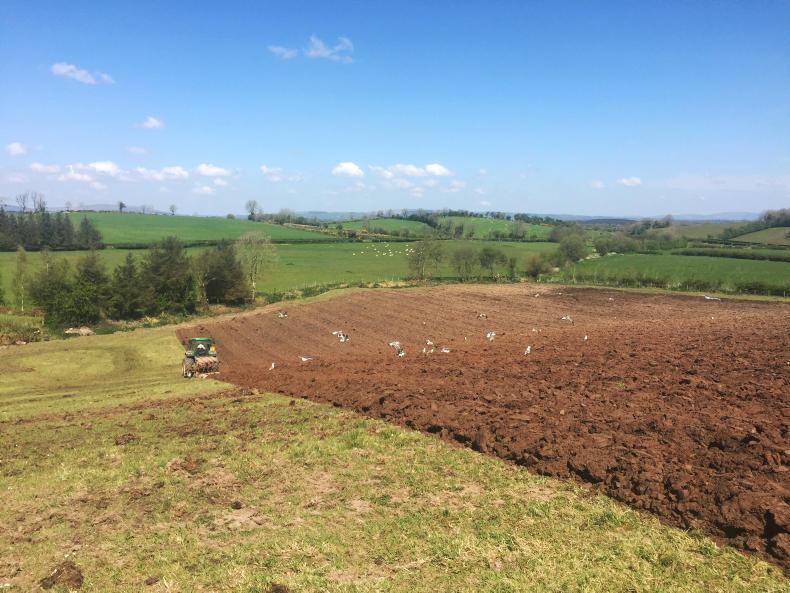
This was the field last week. We can see it has dried up very well. The pipe drains are backfilled and the soil over them levelled. The ground is now dry enough to be ploughed and reseeded.
Register for free to read this story and our free stories.
This content is available to digital subscribers and loyalty code users only. Sign in to your account, use the code or subscribe to get unlimited access.
The reader loyalty code gives you full access to the site from when you enter it until the following Wednesday at 9pm. Find your unique code on the back page of Irish Country Living every week.
CODE ACCEPTED
You have full access to the site until next Wednesday at 9pm.
CODE NOT VALID
Please try again or contact support.
When I visited then, this field was in a sorry state, having taken a pounding in the recent wet years. It is surrounded on three sides by higher fields and these are sending rainwater — at subsoil level — down to the lower field, where it appears as waterlogging and springs.
In November, Dessie Taaffe of Eagle Plant Hire put in three stoned pipe drains to lower the water table. Last week, he applied the finishing touches. He ploughed in stone drains, across and intercepting the pipe drains, to let surface water get down more easily.
Before
This was the field in November and we can see it was well waterlogged. Dessie Taaffe put in three main pipe drains running away from the camera and emptying into the watercourse at the lower, far end of the field. He put in one lateral piped drain.
The drains were four and six-inch corrugated pipe covered with 20 inches of drainage pebble.
After
This was the field last week. We can see it has dried up very well. The pipe drains are backfilled and the soil over them levelled. The ground is now dry enough to be ploughed and reseeded.
If you would like to speak to a member of our team, please call us on 01-4199525.
Link sent to your email address
We have sent an email to your address. Please click on the link in this email to reset your password. If you can't find it in your inbox, please check your spam folder. If you can't find the email, please call us on 01-4199525.
ENTER YOUR LOYALTY CODE:
The reader loyalty code gives you full access to the site from when you enter it until the following Wednesday at 9pm. Find your unique code on the back page of Irish Country Living every week.







SHARING OPTIONS