


With no sign of a slowdown in the conflict in the Middle East over the weekend, and the critical Strait of Hormuz trade route remaining effectively closed, global energy markets have started the week with more price rises.
Brent, the global crude oil benchmark, topped $110 (€95) a barrel, before trimming some of that increase following reports that leaders of the G7 group of developed nations will meet to plan a coordinated release of product from strategic reserves.
European natural gas contracts were again above €60 per MWh, similar to the level reached in the immediate wake of the closure of the Strait of Hormuz last week.
Diesel contract prices quoted in Frankfurt were at $1,150/t (€1,000/t), an 8% increase on Friday’s close, and 55% above the level seen the week before the US and Israel launched attacks on Iran.
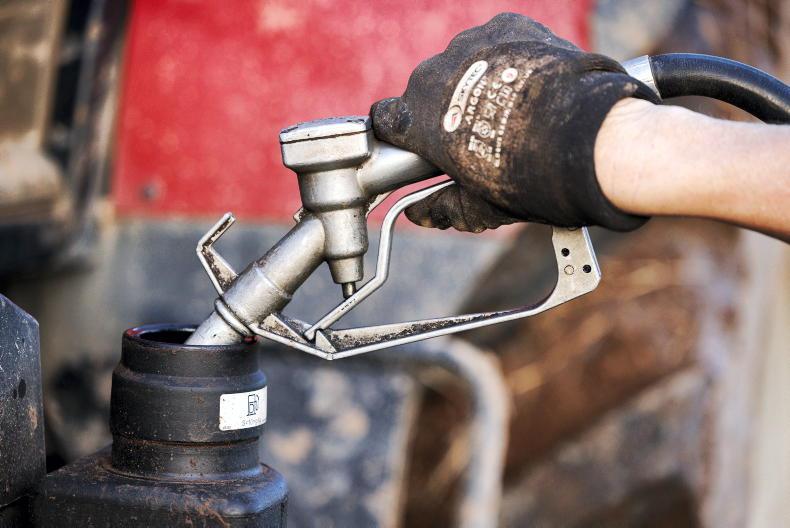
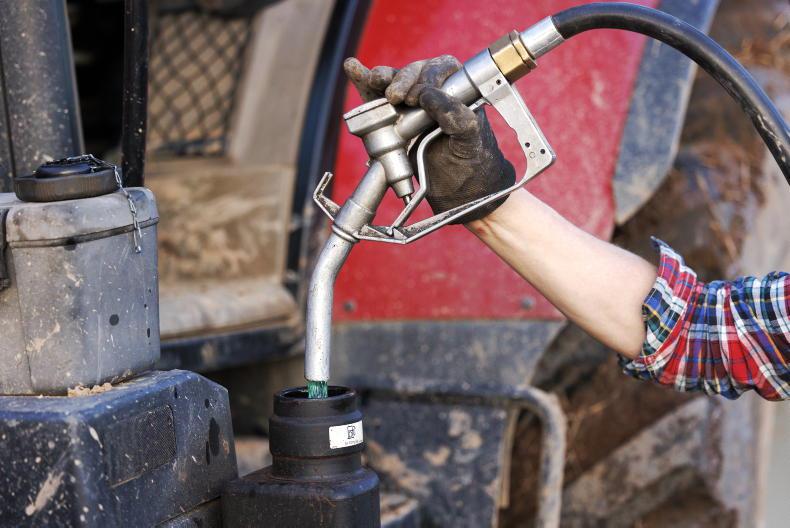
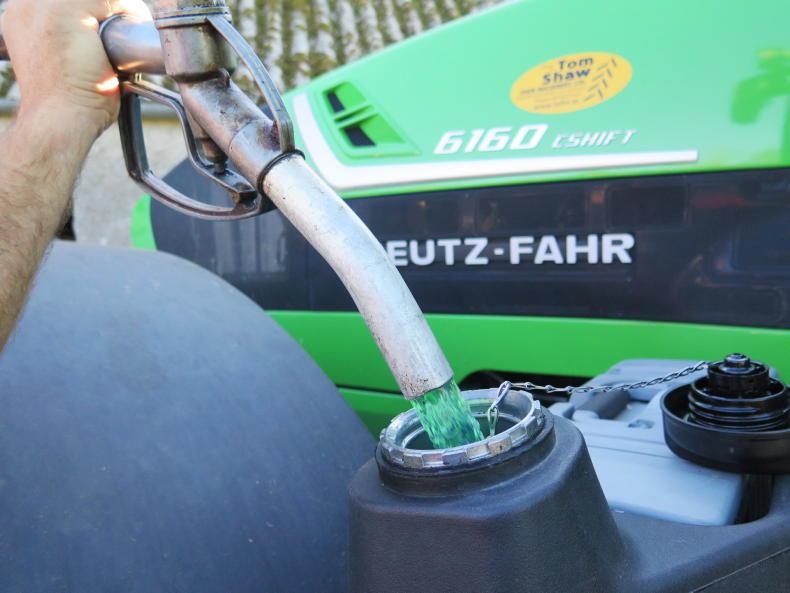
The sharp rise in diesel prices, which has rapidly fed through to costs of green diesel, heating oil and prices at the pump in Ireland, has been accelerated by the low levels of stocks in Europe as the region comes out of the annual period of heaviest demand.
As well as the immediate effect from the surge in diesel prices, the rise in gas prices will, depending on how long it lasts, start to put pressure on electricity costs. Ireland relies on gas turbines to generate approximately 40% of the country’s electricity needs. While much of that gas is purchased well in advance, increases in the price of renewing those contracts will eventually show up in electricity bills.
The other main concerns for farmers remains the price of fertiliser. Once again, the effect from this will be felt more the longer the crisis in the Middle East continues. The longer neither gas nor fertiliser can get out the of the region, the more likely price increases will turn into genuine supply shortages.



SHARING OPTIONS