The Food and Agriculture Organisation (FAO) food price index for March increased to 128.5 points, up 3.0 points compared with February, the second month in a row that it has increased.
All the main commodity groups recorded an increase, which the FAO says is due to “not only underlying market fundamentals, but also responses to higher energy prices linked to the conflict escalation in the near east”.
However, even with the increase, the index in March was still 31.7 points lower than the record set in March 2022, the month after Russia invaded Ukraine.
Meat price index
The FAO meat price index reflects the combined performance of pig, poultry and sheepmeat, as well as beef.
The overall index increased by 1.2 points to 127.7 points in March, a new record, and is 9.4 points higher than it was a year ago.
The increase was driven by a surge in pigmeat prices, which were up 3.5 points to 104 points, while the beef index also increased, though by less than 1 point to 127.7.
This is another new record high and continues the upward trend that has been running since June 2024.
The sheepmeat index fell slightly in March, down 1.9 points to 159.7, though this is the second-highest level on record, while poultry meat dropped by less than 1 point to 116.4 points.
Dairy price index
The dairy price index recorded a 1.5 point increase to 120.9 points, the first upward movement since July last year, but is still 27.8 points below where it was a year ago.
The main drivers for the increase were higher prices for skimmed milk powder, butter and whole milk powder, with lower cheese prices being a drag on the market.
The seasonal supply decline in Australia and New Zealand and strong import demand underpinned milk powder prices, but more milk availability in the EU was a drag on cheese prices.
Cereal prices
There was a 1.7 point increase in the cereal price index in March, bringing it up to 110.4 points, which is slightly higher than a year ago being just under 1 point higher.
The FAO reports that international wheat prices rose by 4.3%, supported by deteriorating crop condition ratings in the United States because of drought concerns and anticipation of reduced planting in Australia due to expected higher fertiliser costs.
These are offset by favourable crop conditions generally in Europe and a still comfortable global supply situation.
Comment – still too early to analyse conflict impact
While we have already experienced the impact of the Middle East conflict on the garage forecourts and in home heating oil, it takes longer for the inflationary effect to be reflected in the food price index.
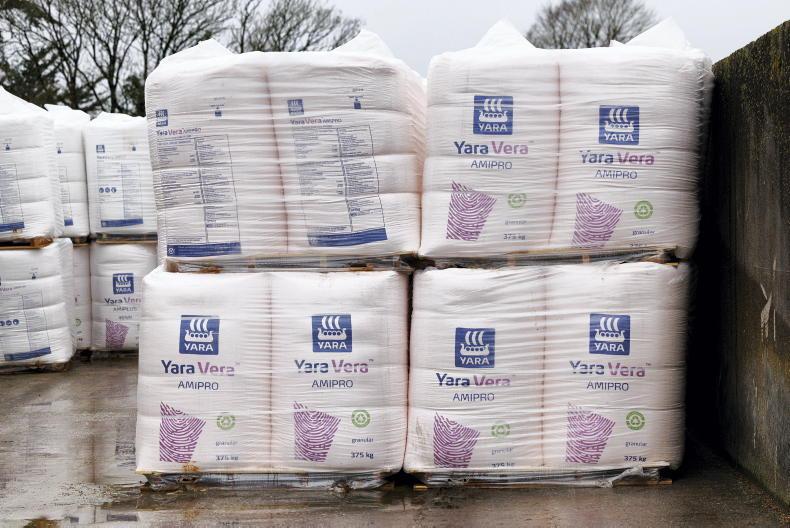
Much of the fertiliser used in 2026 planting in the northern hemisphere is bought at pre-conflict prices and, in any case, higher costs take time to pass through the supply chain.
However, even when the conflict ends and oil prices fall, we can expect to see the impact of higher costs to influence the direction of travel in the food price index for several months afterwards.
Read more
Food price index falls for third month in a row
Department of Agriculture provides over €4m in funding to the UN
Big job in Rome
The Food and Agriculture Organisation (FAO) food price index for March increased to 128.5 points, up 3.0 points compared with February, the second month in a row that it has increased.
All the main commodity groups recorded an increase, which the FAO says is due to “not only underlying market fundamentals, but also responses to higher energy prices linked to the conflict escalation in the near east”.
However, even with the increase, the index in March was still 31.7 points lower than the record set in March 2022, the month after Russia invaded Ukraine.
Meat price index
The FAO meat price index reflects the combined performance of pig, poultry and sheepmeat, as well as beef.
The overall index increased by 1.2 points to 127.7 points in March, a new record, and is 9.4 points higher than it was a year ago.
The increase was driven by a surge in pigmeat prices, which were up 3.5 points to 104 points, while the beef index also increased, though by less than 1 point to 127.7.
This is another new record high and continues the upward trend that has been running since June 2024.
The sheepmeat index fell slightly in March, down 1.9 points to 159.7, though this is the second-highest level on record, while poultry meat dropped by less than 1 point to 116.4 points.
Dairy price index
The dairy price index recorded a 1.5 point increase to 120.9 points, the first upward movement since July last year, but is still 27.8 points below where it was a year ago.
The main drivers for the increase were higher prices for skimmed milk powder, butter and whole milk powder, with lower cheese prices being a drag on the market.
The seasonal supply decline in Australia and New Zealand and strong import demand underpinned milk powder prices, but more milk availability in the EU was a drag on cheese prices.
Cereal prices
There was a 1.7 point increase in the cereal price index in March, bringing it up to 110.4 points, which is slightly higher than a year ago being just under 1 point higher.
The FAO reports that international wheat prices rose by 4.3%, supported by deteriorating crop condition ratings in the United States because of drought concerns and anticipation of reduced planting in Australia due to expected higher fertiliser costs.
These are offset by favourable crop conditions generally in Europe and a still comfortable global supply situation.
Comment – still too early to analyse conflict impact
While we have already experienced the impact of the Middle East conflict on the garage forecourts and in home heating oil, it takes longer for the inflationary effect to be reflected in the food price index.
Much of the fertiliser used in 2026 planting in the northern hemisphere is bought at pre-conflict prices and, in any case, higher costs take time to pass through the supply chain.
However, even when the conflict ends and oil prices fall, we can expect to see the impact of higher costs to influence the direction of travel in the food price index for several months afterwards.
Read more
Food price index falls for third month in a row
Department of Agriculture provides over €4m in funding to the UN
Big job in Rome








SHARING OPTIONS