


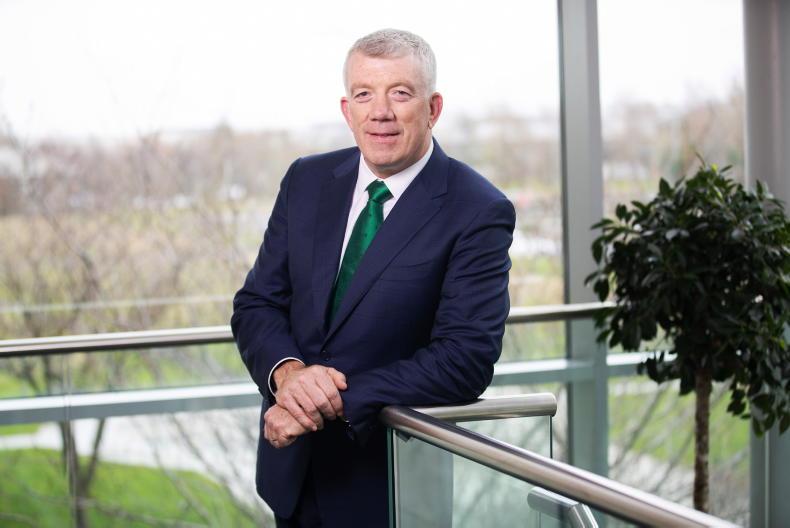
Glanbia announced revenue growth and an increased dividend, but the earnings dipped due to the well-flagged high whey prices in 2025.
The earnings report showed revenue grew by 2.3% to $3.9 billion (€3.3bn) while earnings dropped by 9.4% to $499.1 million (€423m) in 2025. Company CEO Hugh McGuire said that the drop in earnings was “entirely driven” by the high cost of whey during the year.
Profit after tax for the year rose from $164.7m (€140m) to $183.3m (€155.6m), with the difference accounted for by a reduction in one-off charges in 2025 when compared to 2024.
The company will pay a final dividend of €0.2567 per share, taking the total payout per share for 2025 to €0.4287. This is an increase of 10% on dividend payouts on the previous year. The final dividend will be paid on 1 May to shareholders on the register of members on 20 March.
Glanbia also announced a further €100m of share buybacks, with the first €50m tranche of that starting on 25 February. The company bought back €197m of its own shares in 2025, with that total driven by Glanbia’s participation in the share placement by Tirlán, where the co-op placed 17 million shares on the market to repay its €250m bond.
The company gave earnings guidance in line with its medium-term targets. McGuire said: “In line with our new medium-term guidance, we expect adjusted EPS growth of 7% to 11% constant currency in 2026, which will be driven by category and end-use market demand and a strong operating performance across all three segments.”
The company reported a loss on disposal of SlimFast and Body & Fit operations of $45.7m (€38.8m) and a non-cash impairment of $16.5m (€14m) on the consumer LevlUp business in which Glanbia purchased a 60% stake in 2021.
Talking to the Irish Farmers Journal in the wake of the earnings announcement, McGuire said: “The good news from 2025 is that we had volume growth across all three segments of Glanbia last year, but also strong pricing growth in the protein solutions business.”
The company was divided into three trading segments in 2025: Performance Nutrition, which includes the Optimum Nutrition brand; Health & Nutrition; and Dairy Nutrition which includes the US-based dairy business which is a major producer of cheese and whey.
We are a public company and our job is to drive shareholder value, so if there were appropriate offers for any part of our business which we believe would be the right return for shareholders, we would always keep them under review. No sacred cows
“One of the pieces of feedback we had got from investors was that [Glanbia] is hard to understand. What we tried to do is bring focus and clarity around our portfolio and to the key drivers of that portfolio.”
The carving out of the dairy business as a stand-alone segment does lead to speculation over whether it could be sold by Glanbia. When asked about this, McGuire responded with: “I’ve said it before. We are a public company and our job is to drive shareholder value, so if there were appropriate offers for any part of our business which we believe would be the right return for shareholders, we would always keep them under review. No sacred cows.”
The dominant factor for Glanbia during the year was whey prices. The company flagged this issue to investors last year, so there was no surprise to see it as a factor in the full-year earnings.
On the outlook for whey, McGuire said: “There is definitely more whey available, and we were seeing mid-teen increases in WPI [whey protein isolate] production last year and we expect the same again for this year.
“The demand for high-end whey protein is significant and it’s not lessening. Protein is a megatrend. Dairy protein and particularly whey protein are in strong demand and it is very positive to see that. I think what may impact that demand over the course of the year is as everyone increases prices which they will have to do given the price of whey right now.”
On the outlook for whey prices, McGuire had some good news for Irish co-ops which have been looking to increase their output of whey products, saying: “I don’t think we’re going to see whey drop back to where it was a couple of years ago. While they might pull back there is a structural megatrend in place. The demand for protein is very strong and dairy protein is very popular.”
The other side of whey production is cheese production. McGuire was less bullish on the outlook for cheese.
“Cheese demand isn’t matching demand for protein growth. In Dairy Nutrition we’re not just whey protein, about 20% of our protein solutions are non-whey. We’re looking to increase milk proteins, we’re looking to increase plant proteins, to see if they can form part of solutions.
“We would not be surprised if others, like ourselves, are looking for protein solutions that don’t involve cheese.”
Tirlán loses one board seat
Following the completion of the share spinout by Tirlán and the share sale as part of the buyout of the €250m bond, the co-op’s shareholding in Glanbia ended the year at 17.9%, down from 29.5% at the end of 2024.
As a result of this drop in ownership share, it has been agreed that the number of representatives Tirlán will have on the board of Glanbia will drop from three to two, effective from the plc’s AGM on 29 April.
Thomas Phelan will retire from the board on that date, leaving the board comprising of 11 members: the chair, two executive directors, and eight non-executive directors including two from Tirlán.
Comment
Glanbia did a lot of work in 2025 preparing investors for the effects of high whey prices on their performance for the year.
While the initial warnings led to a significant drop in the company’s share price – dropping below €10 in April of last year – it also meant that this week’s announcement of the actual results was taken in its stride by the market.
Glanbia’s share price is now close to €17, and was hardly disturbed by the financial results.
The work done on simplifying the company’s structure, the cost-saving plans which are in place, and the prospect of continued robust demand for Glanbia’s key whey protein products are all paying dividends for Glanbia.
Shareholders will also be pleased to see that the actual dividends announced by Glanbia have increased since last year. The company’s announcement of a fresh €100m for share buybacks could also serve to bolster share performance for the year.
While it would be nice to see the leadership at Glanbia find something better to do with their cash than buying back their own shares, the company has low debt levels and has been active in acquiring bolt-on companies when opportunities arise.


SHARING OPTIONS