There was an amazing stat published this week which showed that China’s trade surplus for the first 11 months of the year had topped a record $1 trillion (€860bn).
There are industrial developments such as the country’s lead in electric car production which have certainly helped that trade surplus. However, China’s trading partners have become increasingly concerned about the level of cheap imports emanating from the country. The weak value of the country’s currency – which helps to make its exports cheaper – is increasingly coming under scrutiny from other governments.
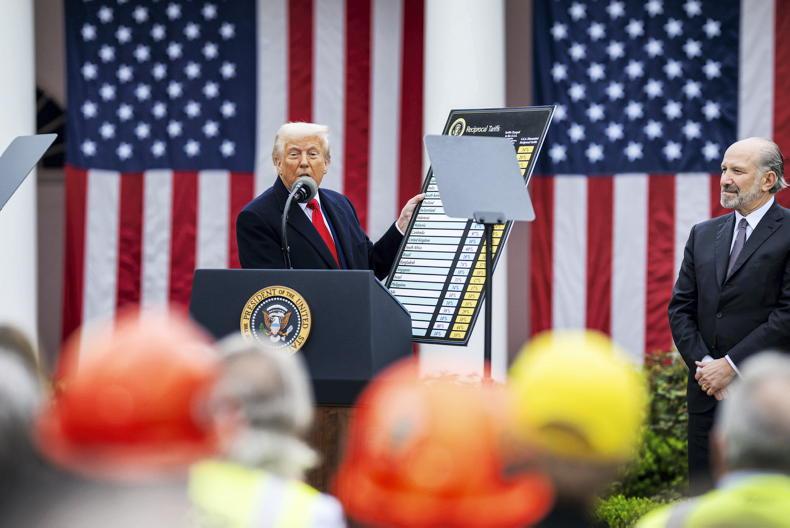
We have also seen increased trade measures against the country this year, including President Trump’s imposition of broad-ranging tariffs and the EU trade measures against Chinese electric vehicles.
China reacted to Trump’s trade measures by targeting US farm exports, a move which has caused severe disruption to US agriculture and led to this week’s bailout for farmers (see page 30). The reaction to EU measures has been the opening or continuing of investigations into food exports from the bloc. While the measures have been less onerous than those imposed on the US, they are still posing roadblocks to EU food exports.
Latest data from Bord Bia show that Irish food and drink exports to China for the 12-months to the end of September show that the value of shipments has fallen to the lowest level since 2016 (see Figure 1).
While much of this drop can be blamed on policy decisions, there is also a structural driver in China where domestic demand remains relatively weak. The undervaluation of the Chinese currency makes the country’s exports cheap, but also makes imports more expensive. Quality Irish food and drink, as a premium product, generally doesn’t trade on price, but there is a limit to how much extra consumers are willing to pay to access that quality.
Under normal economic circumstances, when a country runs an excessive trade surplus, its currency will appreciate in value which makes its exports more expensive. This appreciation also opens opportunities for those who wish to sell into its markets. That appreciation has not happened in this case, and so those opportunities have not arisen.
There was an amazing stat published this week which showed that China’s trade surplus for the first 11 months of the year had topped a record $1 trillion (€860bn).
There are industrial developments such as the country’s lead in electric car production which have certainly helped that trade surplus. However, China’s trading partners have become increasingly concerned about the level of cheap imports emanating from the country. The weak value of the country’s currency – which helps to make its exports cheaper – is increasingly coming under scrutiny from other governments.
We have also seen increased trade measures against the country this year, including President Trump’s imposition of broad-ranging tariffs and the EU trade measures against Chinese electric vehicles.
China reacted to Trump’s trade measures by targeting US farm exports, a move which has caused severe disruption to US agriculture and led to this week’s bailout for farmers (see page 30). The reaction to EU measures has been the opening or continuing of investigations into food exports from the bloc. While the measures have been less onerous than those imposed on the US, they are still posing roadblocks to EU food exports.
Latest data from Bord Bia show that Irish food and drink exports to China for the 12-months to the end of September show that the value of shipments has fallen to the lowest level since 2016 (see Figure 1).
While much of this drop can be blamed on policy decisions, there is also a structural driver in China where domestic demand remains relatively weak. The undervaluation of the Chinese currency makes the country’s exports cheap, but also makes imports more expensive. Quality Irish food and drink, as a premium product, generally doesn’t trade on price, but there is a limit to how much extra consumers are willing to pay to access that quality.
Under normal economic circumstances, when a country runs an excessive trade surplus, its currency will appreciate in value which makes its exports more expensive. This appreciation also opens opportunities for those who wish to sell into its markets. That appreciation has not happened in this case, and so those opportunities have not arisen.










SHARING OPTIONS