


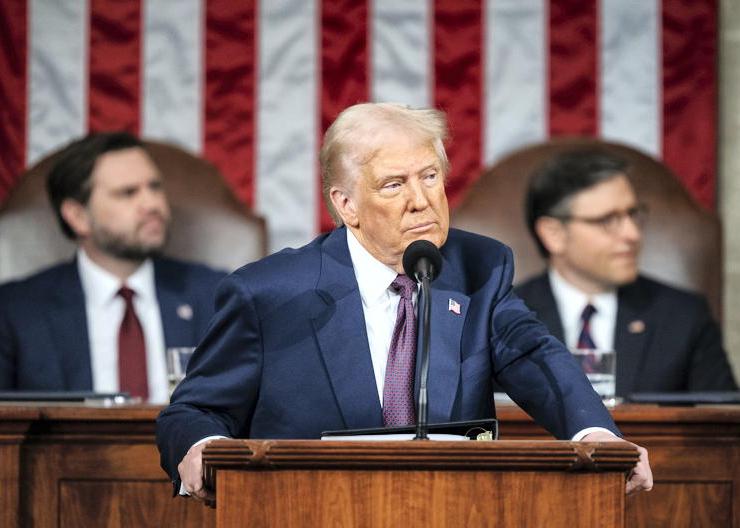
This week marked the first anniversary of the presidency of Donald Trump in the United States. Perhaps the most polite thing that can be said about it is that it has been eventful.
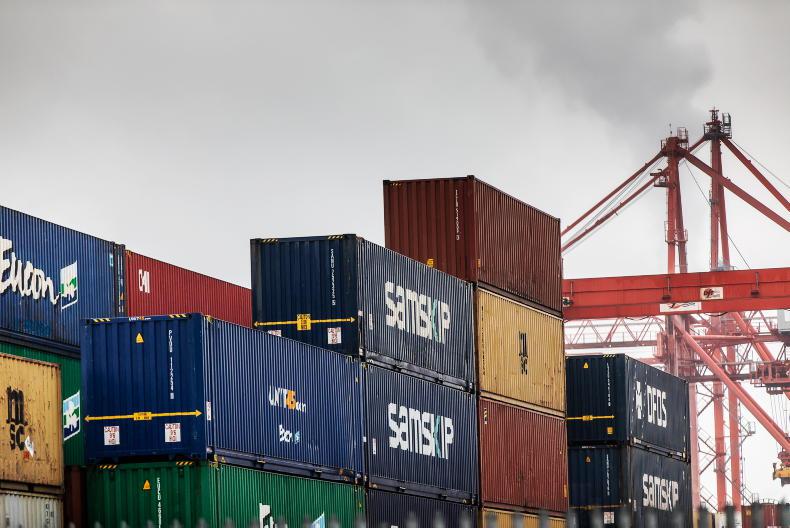
From an Irish agriculture perspective, the biggest event was the announcement in early April last year of the president’s so-called “liberation day” tariffs which imposed import duties on almost every country trading with the US.
While Irish butter and whiskey exports were among the most exposed goods, it was also clear that the longer the tariffs were in place, the greater the damage that would be done to European exports as a whole. This meant that there was significant pressure to get a deal done, with the signing of the US-EU framework trade deal at Turnberry in August coming as a huge relief.
However, Trump’s recent targeting of Greenland has once again soured trans-Atlantic relations. When the people of Greenland, along with Denmark, the UK and other European allies, failed to welcome his advances, he announced that he would be putting tariffs on those countries – starting at 10% on February 1 and rising to 25% on June 1.
Breach
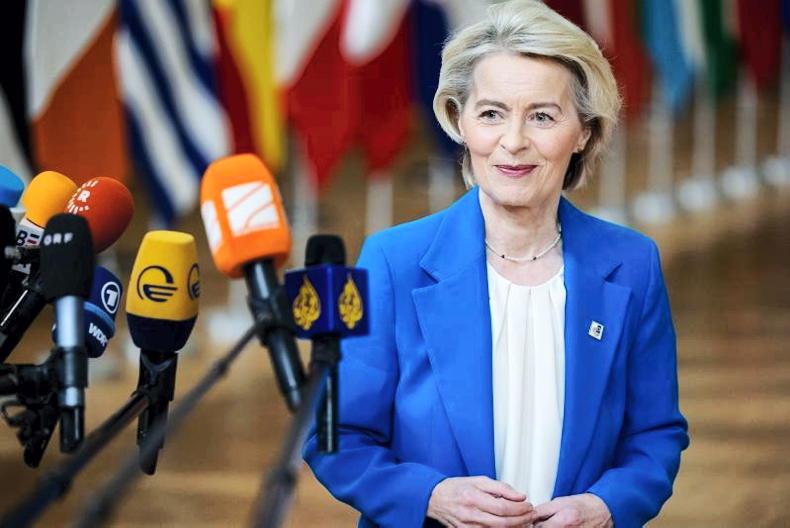
These threatened tariffs are a clear breach of both the Turnberry agreement and trade agreement reached between the UK and the US in July. Faced with this, members of the European Parliament have said this week that they will suspend the approval of the trade deal with the US.
With Trump in Switzerland this week for the Davos meetings of international leaders and the heads of major corporations, it is hoped that a deal can be reached which would cool tensions on both sides. However, the last year with Trump has shown that while he is happy to do deals, he is often less keen on sticking to them.
Depending on what comes out of those meetings this week, and what happens elsewhere over the coming weeks, we could soon see a trans-Atlantic trade war re-erupt – something which would put Ireland’s food and drink exporters back to where they were in April of last year, at best.
Also, this week in Davos, Canadian Prime Minister Mark Carney made a speech which took a step back from the current crisis and outlined where he sees the world now, and what the changes exemplified by Trump’s behaviour means for countries such as his own, and others which do not have the global hegemonic power of the US.
He said that the rules-based international order that had existed since the second world war has ended.
He said: “Great powers have begun using economic integration as weapons, tariffs as leverage, financial infrastructure as coercion, supply chains as vulnerabilities to be exploited.
“You cannot live within the lie of mutual benefit through integration when integration becomes the source of your subordination.”
Coalitions
He said the countries which he referred to as the “middle powers” must build coalitions with partners who share enough common ground to act together. “Our view is the middle powers must act together because if we’re not at the table, we’re on the menu,” he said.
How much Carney’s speech will be reflected on Europe, a continent laden with middle powers, will be seen over the coming weeks.
But it already seems clear that there is an increasing willingness to push back against Trump’s demands, rather than try to make another deal to give the president enough of what he wants to allow trans-Atlantic trade to continue as it once did.
Amid this Trump-caused crisis, the European Parliament was also mulling its decision on the Mercosur trade deal.
The opposition from Irish farmers to the deal has been very well documented on these pages.
On Wednesday we saw the lobbying of those farm groups was successful. MEP’s voted by a small majority to refer the trade deal to the European Court of Justice, a move which will delay it for two years and possibly scupper it entirely.
In a world governed by Trump’s trade tantrums, this decision, while welcome to beef farmers, might have signifcant and far-reaching consequences for the wider European economy and global multilateralism.




SHARING OPTIONS