



“Why should heifers on an “outfarm” be more prone to warts than those raised at home?” This was the question posed by a farmer last week.
Warts, or Bovine Viral Papillomatosis, is an infectious disease of the skin in mainly young cattle which occurs worldwide and is caused by one of five to six strains of Bovine Papilloma Virus. It is also much more common in dairy cattle than in beef cattle.
Different strains of warts appear to have preferred anatomical predilection sites – nose, teats, penis for one strain; skin of the face, head, neck for another; and the digestive tract and urinary tract for another.
The appearance of the warts can vary from frond-like progressing to large cauliflower-like lesion (fibropapillomas) to smooth “rice-grain” warts (epithelial papillomas).
Direct contact
Infection with the papilloma virus can be spread by either direct contact with infected animals or indirectly by “fomites” eg from briar or fences through minor abrasions or by the direct or indirect effect of ectoparasites (flies, midges). Warts, when they affect the digestive tract, are certainly predisposed by immunosuppression in the affected animals.
The treatment of warts can have various levels of success. In uncomplicated cases little treatment is required and most lesions will regress themselves within 12 months.
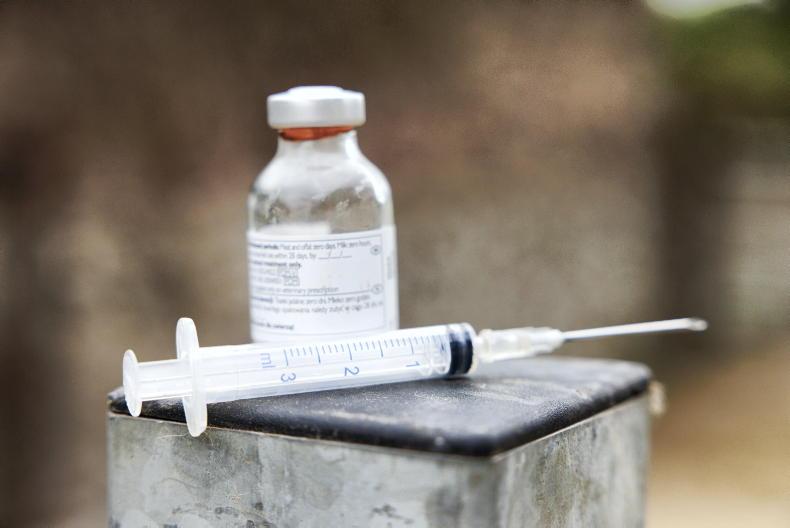
Autogenous vaccines (vaccines made for the individual animals involved using their own tissue) can give varied results according to the experts, yet in practice we have often found them quite good.
Surgical excision may sometimes be of benefit, or even necessary, with penile and teat lesions.
Animals with severe generalised warts (greater than 20% of the body affected) have a poor prognosis as this can often be as a result of immunosuppression.
Measures
While I couldn’t give the farmer an absolute answer to the question posed at the start, various measures which may help in prevention were discussed; the avoidance of sharp or abrasive elements on the farm – this may involve the checking of all fencing and the cutting/removal of any scrubs on the land.
We also talked about ectoparasite control especially of flies which may not only aid in the spread of warts, but also mastitis and will affect thrive through their nuisance value alone.
*Padraig Duggan works at Killenaule Vets, Killenaule, Thurles, Co Tipperary. Killenaule Vets is part of XLVets. XLVets is a group of progressive practices who are working together to achieve a better future for agriculture and veterinary in Ireland. For further information go to www.xlvets.ie



SHARING OPTIONS