


Bedding materials
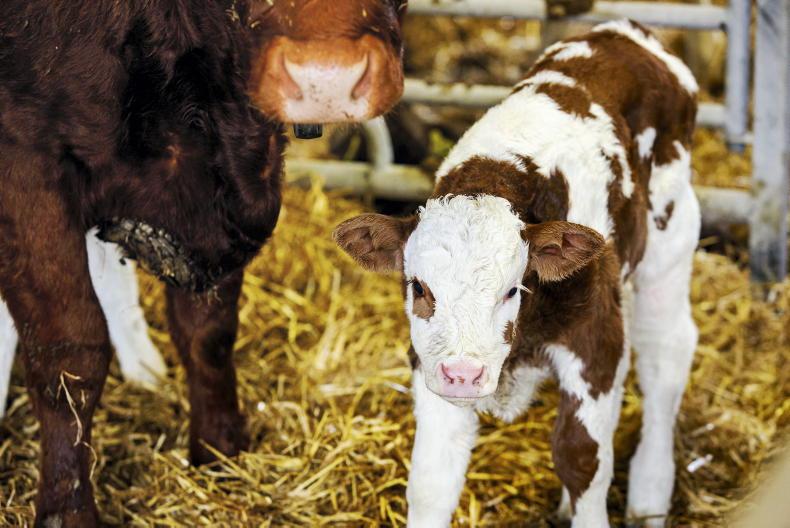
Preparations either aready have or will soon be starting for a busy spring calving season over the Christmas break. Straw is by far and wide the most popular bedding for cattle and for good reason; it’s a renewable source and offers excellent thermal insulation for young calves when a deep, dry bed is in place.
Most farmers should have their supply of straw purchased by now, but if not get on to it quickly. As a general rule of thumb, a cow in a calving box will require half a 4x4 round bale per week, with creep areas post calving also having to be accounted for.
Woodchip is a popular bedding material, especially for batch calving pens. It can work really well from a labour and cost point of view, but it does not have the thermal properties of straw for young calves. This can be counteracted by bedding with straw on top. Woodchip also has the disadvantage of having to be composted for two years before applying on land. Sawdust is similar in that composting is required before spreading on land as nitrogen can be locked up by it if not.
Winter AI
Autumn calving herds are well in to the breeding season now. It may be of benefit to get a scanner or vet in the yard to scan early served cows and those that have yet to be seen cycling, which are most likely later calvers.
Where these cows are cycling, use of a PRID or CIDR is generally not required should you wish to synchronise to tighter the calving pattern, with a jag of estrumate sufficient. As always consult your vet for best practice. Where issues are identified, such as internal infections etc, ask yourself the question: why did this happen? In most cases it is due to cows having retained cleanings. Cows holding cleanings can be a sign of a lack of minerals, so see what improvements can be made for next year.
As heat activity reduces with more cows going in-calf, it will be harder to detect heats. Use appropriate aids such as tail paint and scratch cards to help identify these cows. Look for other physical signs as well, which would include mucous from the vagina (note whether clear or milky white, with the latter indicating an infection) and sweating due to increased movement.
Soil testing
We are approaching three months since the closing of the open period for slurry, which is an ideal time to complete soil tests. Soil tests work best where no slurry or compounds have been spread for three months or more.
Over the Christmas period, get out on to fields and get sampling; your local co-op or farm advisor should be able to provide a core sampler and advise on best practice.
Take 15-20 samples per field, and where fields are above 5ha then additional samples should be taken. Walk in a a a‘W’ shape when taking samples to get an accurate representation, and avoid waterlogged areas, feeding areas or areas where animals congregate for shelter as this will affect the accuracy.


SHARING OPTIONS