Calves are a hot commodity this year, with Angus and Hereford-cross generally trading between €450-€550 and continental calves selling from €550 upwards.
Selecting healthy, strong calves who have been afforded the best start to life is of utmost importance in an investment like this, and even where cheaper calves are on offer, sickness, poor thrive and possible death will rapidly erode any savings.
Some small but key practices around purchasing calves can aid greatly in reducing stress on the animals, provide a fair deal to both you and the dairy farmer and leave you with healthy calves that continue to thrive.
Preparation prior to purchase
Calf pens should have been cleaned out, washed, disinfected and bedded in preparation for calves arriving back on farm.
As always, ample straw bedding is both your friend and the calves. Have clean water readily available and roughage in hay racks to prevent calves from picking at bedding underneath them.
If you are dealing with a farmer with whom you have dealt with before it is worth asking them about the concentrates and milk powder that they use prior to calves arriving on farm.
Using the same inputs as their home farm will help reduce the stress and any digestive upsets on the calves when they arrive home to you.
A clean, well-bedded trailer should be available when purchasing calves, and do not overfill trailers. Fifteen three–four-week-old calves in a standard 12x6 trailer gives calves enough room to lie down if they so choose.
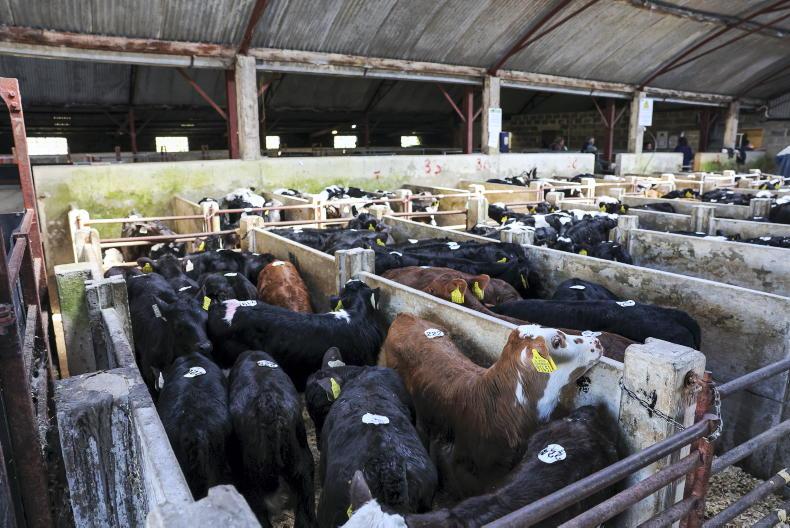
While a large proportion of calves are purchased at marts and through dealers, dealing with a small number of dairy farmers yourself personally is a safer option.
Theoretically, 20 calves purchased at a mart could come from 20 different farms, each with their own biosecurity risks, while mixing of calves in marts also exposes them to an even greater number of risks.
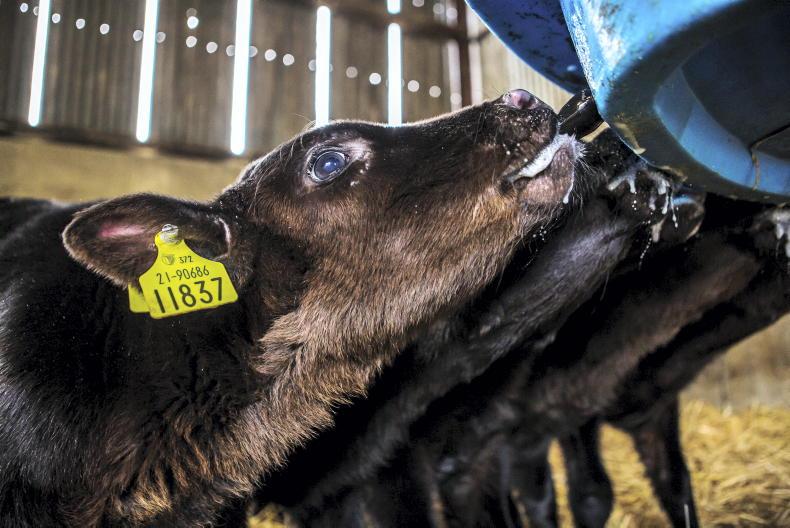
Developing a relationship with a small number of trusted dairy farms allows you to gain a greater insight into the background health of the herd regarding vaccinations and colostrum management.
Target dealing with farmers in close proximity to your own farm, ideally less than an hour, to reduce the stress on calves in transit.
Out of respect of the farmer, and to protect your own farm, you should arrive with clean boots/wellies and work wear and observe disinfecting of footwear on arrival and when leaving.
Target arriving on the farm you are purchasing calves from around lunchtime (12pm-2pm).
This will allow calves to have rested for a few hours after their morning feed, preventing them from travelling on a full stomach of milk.
Calves will then be able to rest for a few hours when they arrive before receiving their evening feed.
Observe the facilities and the calves themselves when you enter the calf house. Is it stuffy, with a strong stench of ammonia on entering, or are calves cold and huddled together? Is there ample clean bedding in place?
Calves should be alert with shiny coats, bright eyes and showing no obvious signs of illness.
Be on the lookout for animals showing an active scour of those that are coughing or having difficulty breathing, or those with a nasal discharge or drooped ears.
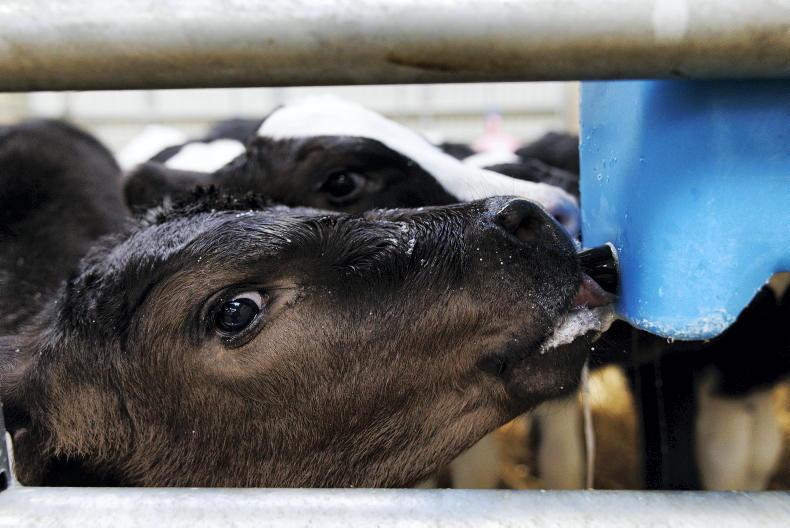
While there is no issue in purchasing lighter, healthy calves, purchasing calves showing obvious signs of ill health is asking for trouble, and where there appears to be a number of calves affected there is a high risk that other calves that appear healthy are sub-clinical, in that illness or infection is not yet actively displayed but is in their system.
Agreeing a price on farm is more complex than at the mart, where price is dictated by other buyers demands.
A useful tool in aiding both you and the dairy farmer on price is using the calf price table that is published in the Irish Farmers Journal each week, made available through ICBF. In it, farmers can see the average prices paid for calves of different breeds, ages and sexes.
Above-average quality calves can receive a higher price than the averages tabled, while similarly poorer-quality animals will consequently dictate a lower price for fairness’ sake.
CBV is a useful tool in purchasing calves, with CBV value warranting a price increase or price decrease.
Dairy farmers that have genotyped beef calves on offer should be able to provide you with a report of the CBV’s of calves through Herdplus.
CBV is a tool, but your own eye and the aforementioned points on calf health and quality should be the primary reasons for purchase or non-purchase.
Once a deal has been struck, aim to get calves home in a swift manner, avoiding any delays or errands that you might be tempted to do on your travels.
When calves are unloaded, pen them separately to other calves on farm and allow them to settle for a few hours before giving a feed of warm water and electrolytes; milk can be fed the following morning after calves have acclimatised.
Calves are a hot commodity this year, with Angus and Hereford-cross generally trading between €450-€550 and continental calves selling from €550 upwards.
Selecting healthy, strong calves who have been afforded the best start to life is of utmost importance in an investment like this, and even where cheaper calves are on offer, sickness, poor thrive and possible death will rapidly erode any savings.
Some small but key practices around purchasing calves can aid greatly in reducing stress on the animals, provide a fair deal to both you and the dairy farmer and leave you with healthy calves that continue to thrive.
Preparation prior to purchase
Calf pens should have been cleaned out, washed, disinfected and bedded in preparation for calves arriving back on farm.
As always, ample straw bedding is both your friend and the calves. Have clean water readily available and roughage in hay racks to prevent calves from picking at bedding underneath them.
If you are dealing with a farmer with whom you have dealt with before it is worth asking them about the concentrates and milk powder that they use prior to calves arriving on farm.
Using the same inputs as their home farm will help reduce the stress and any digestive upsets on the calves when they arrive home to you.
A clean, well-bedded trailer should be available when purchasing calves, and do not overfill trailers. Fifteen three–four-week-old calves in a standard 12x6 trailer gives calves enough room to lie down if they so choose.
While a large proportion of calves are purchased at marts and through dealers, dealing with a small number of dairy farmers yourself personally is a safer option.
Theoretically, 20 calves purchased at a mart could come from 20 different farms, each with their own biosecurity risks, while mixing of calves in marts also exposes them to an even greater number of risks.
Developing a relationship with a small number of trusted dairy farms allows you to gain a greater insight into the background health of the herd regarding vaccinations and colostrum management.
Target dealing with farmers in close proximity to your own farm, ideally less than an hour, to reduce the stress on calves in transit.
Out of respect of the farmer, and to protect your own farm, you should arrive with clean boots/wellies and work wear and observe disinfecting of footwear on arrival and when leaving.
Target arriving on the farm you are purchasing calves from around lunchtime (12pm-2pm).
This will allow calves to have rested for a few hours after their morning feed, preventing them from travelling on a full stomach of milk.
Calves will then be able to rest for a few hours when they arrive before receiving their evening feed.
Observe the facilities and the calves themselves when you enter the calf house. Is it stuffy, with a strong stench of ammonia on entering, or are calves cold and huddled together? Is there ample clean bedding in place?
Calves should be alert with shiny coats, bright eyes and showing no obvious signs of illness.
Be on the lookout for animals showing an active scour of those that are coughing or having difficulty breathing, or those with a nasal discharge or drooped ears.
While there is no issue in purchasing lighter, healthy calves, purchasing calves showing obvious signs of ill health is asking for trouble, and where there appears to be a number of calves affected there is a high risk that other calves that appear healthy are sub-clinical, in that illness or infection is not yet actively displayed but is in their system.
Agreeing a price on farm is more complex than at the mart, where price is dictated by other buyers demands.
A useful tool in aiding both you and the dairy farmer on price is using the calf price table that is published in the Irish Farmers Journal each week, made available through ICBF. In it, farmers can see the average prices paid for calves of different breeds, ages and sexes.
Above-average quality calves can receive a higher price than the averages tabled, while similarly poorer-quality animals will consequently dictate a lower price for fairness’ sake.
CBV is a useful tool in purchasing calves, with CBV value warranting a price increase or price decrease.
Dairy farmers that have genotyped beef calves on offer should be able to provide you with a report of the CBV’s of calves through Herdplus.
CBV is a tool, but your own eye and the aforementioned points on calf health and quality should be the primary reasons for purchase or non-purchase.
Once a deal has been struck, aim to get calves home in a swift manner, avoiding any delays or errands that you might be tempted to do on your travels.
When calves are unloaded, pen them separately to other calves on farm and allow them to settle for a few hours before giving a feed of warm water and electrolytes; milk can be fed the following morning after calves have acclimatised.








SHARING OPTIONS