


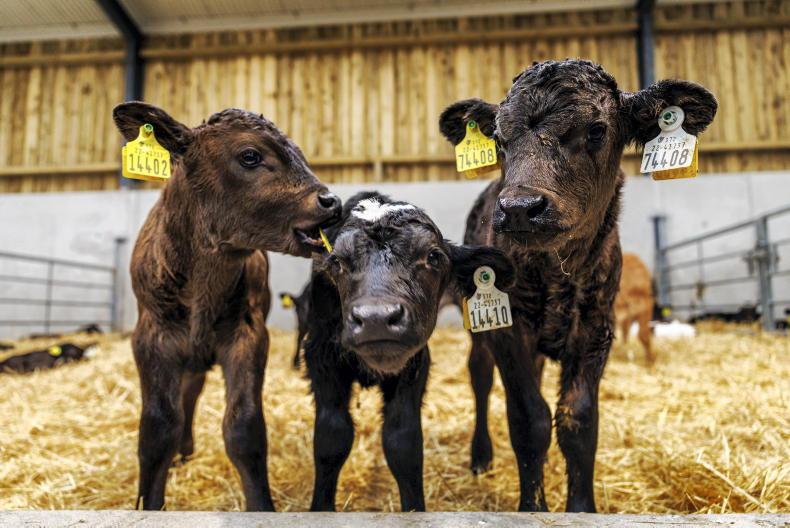
Calf Series: this week we kick off our special 10-week calf series which will be a guide directed primarily at new entrants to calf rearing, but will also be of use to more seasoned farmers looking to improve the rearing phase, which when done wrong can have impacts throughout the lifetime of that calf.
We will be covering a variety of topics, from using CBV, how to handle newly purchased calves, weaning, turning out to grass plus more.
This week we kick off with accommodation and facilities.
While we often feature some bespoke new calf sheds in our farm buildings pages, this is not the norm when it comes to calf accommodation on many farms, with general purpose storage or machinery sheds often being cleared out and calves lumped in which can prove disastrous from a health point of view.
Sheds need to be designed around calves, and can be used for machinery, straw, etc, when idle – not the other way round. Ventilation is the trickiest thing to get right in a calf shed and several adjustments may have to be made in order for natural ventilation to work.
For more information, check out p34.
Ground conditions: rainfall amounts have been hugely variable over the last few weeks, with the ‘drier’ counties along the east and southeast coast seeing up to three times normal rainfall for the time of year.
These farmers would ordinarily have no issue in getting slurry out, and in many cases would have a portion of cattle turned out. It’s been a case of threading lightly and sneaking out with a few loads of slurry wherever possible.
On the flip side, ground conditions have been more favourable in the west and northwest, with ground conditions relatively OK for the time of year. Knock Airport reported just 54% of normal rainfall over the last week.
While it may seem early for these farms to be considering letting stock out, ground conditions may well allow it. Get out and walk paddocks; drier fields with good access should likely be grazeable, even if it is just by day for spring calving cows and their calves.
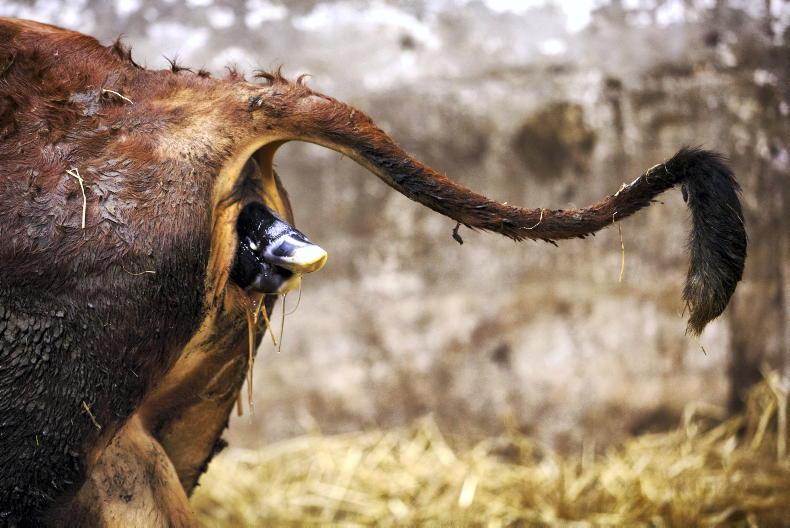
Safety at calving: a lot of spring-calving herds are in the throngs of calving at the minute. Farmers always need to be mindful around freshly calved cows, with several farmers noting to me recently of cows that cows that had calved in other years suddenly becoming aggressive at calving this year.
While hormones will affect a cow’s mood at calving, excessively aggressive cows have no place on a farm and should be noted for culling.
Facilities also need to be adequate to ensure farmer/vet safety when calving or handling a cow. A headlock on a calving gate, a man escape or a safe refuge area in a corner (similar to those seen in marts) are all features that farmers should ideally have in place.
Calving gates and calving cameras are both TAMS eligible and fall under the FSCIS which carries a 60% grant fund.



SHARING OPTIONS