


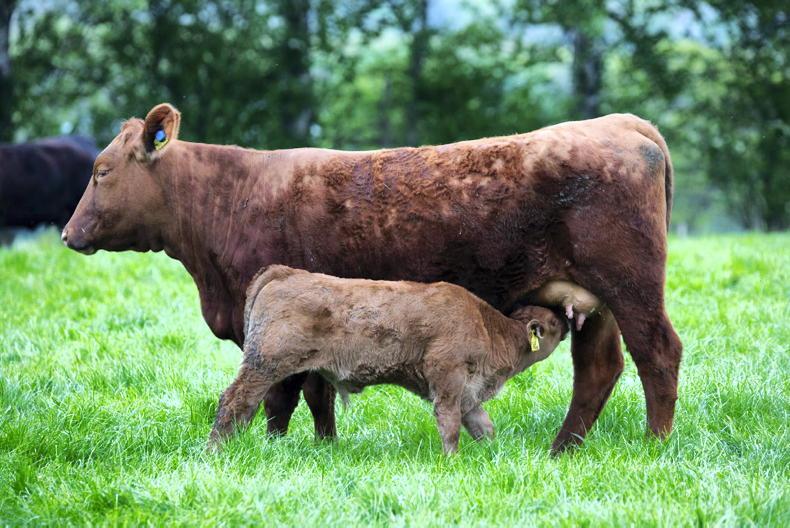
Grass: The spring grazing rotation has been thrown off kilter for many farms owing to extremely wet and cold weather over the months of February and March, with very little grazing having happened on cattle only farms.
While average farm covers are not over excessive for the most part, strong growth should kick in over the next two weeks with increased soil temperatures and decreased rainfall. Winter grass covers will not record the same growth levels as a freshly grown sward of the same height, but we could still quickly run in to excess grass very quickly.
When conditions allow, grazing hard should help to alleviate much of this, but be mindful to keep the number of groups of cattle small and avoid several groups of cattle grazing and reducing the rotation length excessively.
There may be a need to mow out some paddocks in two to three weeks’ time to control grass cover, but again this will have to be done cautiously as to avoid running out of grass with too big of an area taken out at once. With such a wet spring, a prediction of a dry summer would not be wild, meaning farmers on dry soils should hold cover as high as is manageable from the end of the month onwards.
Breeding preparation: For farmers using AI, the next three weeks will see the majority of spring calving herds commence breeding. If you haven’t done so before now, heats should be observed and recorded to identify and non-cycling cows and to better predict when cows will come in heat during the mating season.
Many farmers will only complete a pre-breeding scan on cows seen to by non-cycling, but for the cost I am more in favour of scanning all cows; a cyst on an ovary is not visible to the eye (unlike dirty discharge that will be visible for uterine infections) and can easily lead to a good performing cow not going in calf. In this week’s farm buildings feature, I list herd health and heat detection collars as one of the possible spends that a suckler farmer could invest in.
A 40-cow herd with 10 replacements purchasing 50 collars/tags/boluses plus the base station will have an initial outlay of €9,568, with a 40% grant giving €3,827.20 back to the farmer. My understanding is that these are priced well by the Department, while tags rather than boluses will a reduced price at point of purchase.
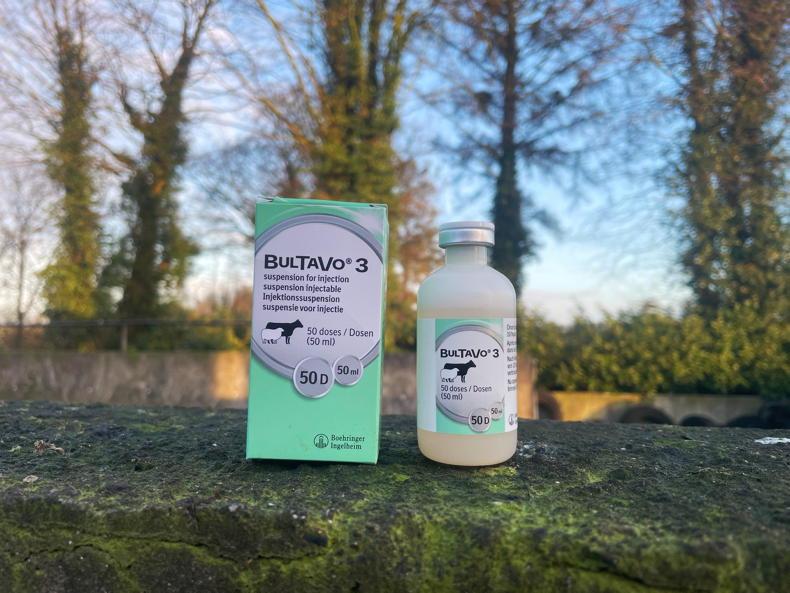
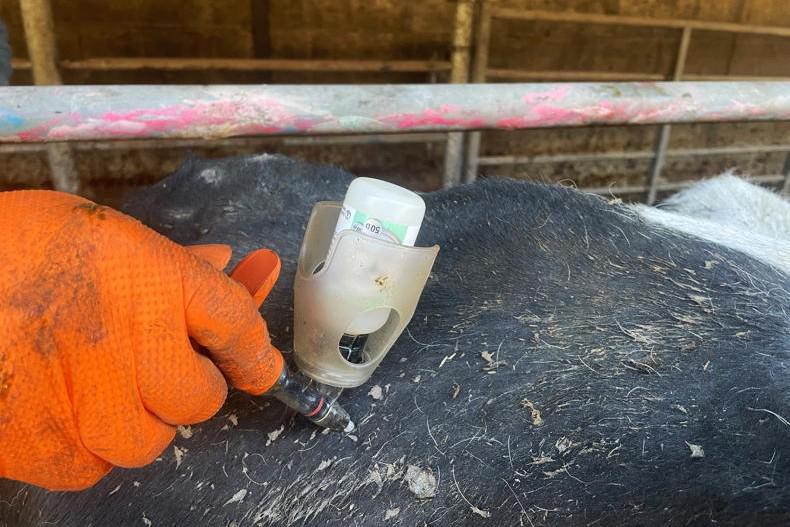
Vaccines: Ahead of the commencement of breeding, the second round of BVD/lepto vaccines should be given to heifers that received their primary shot four weeks ago, while booster shots should also be given to cows if not done so before now. A stock bull should be treated the same way.
Calves that received their first clostridial vaccine four to six weeks ago should also receive their second shot; giving one shot will not cover calves for the entirety of the grazing season. Yearling cattle should also receive a booster shot, especially being turned out in paddocks where poaching, cleaning of ditches or tree felling has occurred, with the clostridial bacteria in soil more exposed and a greater danger to cattle.



SHARING OPTIONS