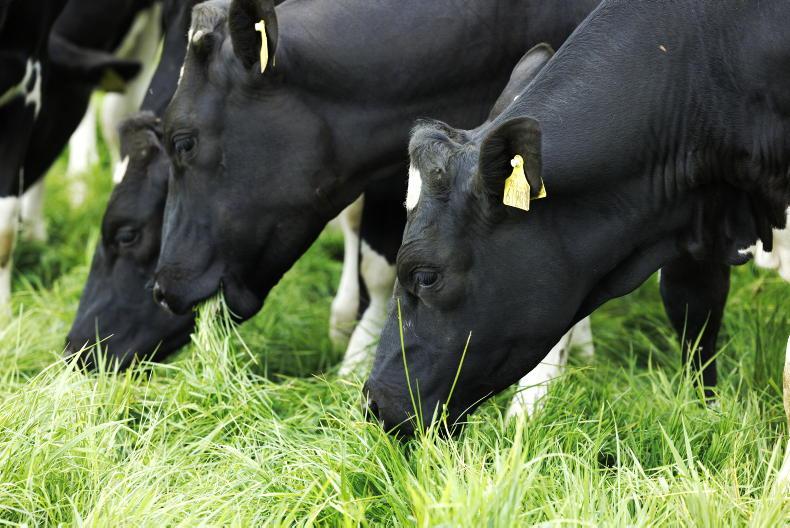
Spring grazing is a spectrum with some farms having no grazing at all done because land is too wet to those that have managed to get cows out to grass the majority of days and nights.
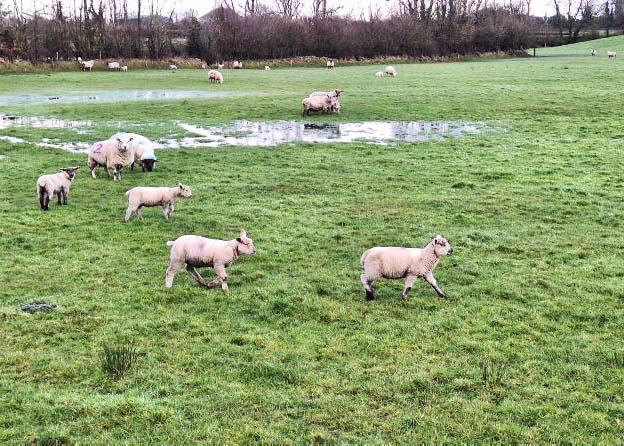
Where the majority of farmers are on that spectrum differs from year to year but in this spring, it’s safe to say that most have less grazing done than normal after a prolonged wet period.
Some farmers who are fortunate enough to be on dry land have been able to get grass into cows most days this spring and this article is really aimed at them.
They are now in the situation where they are nearing the end of the first rotation having grazed over 70% of the farm and are in the relatively good position of being worries about running out of grass.
I say this is a good position to be in because this is where farmers want to be at this time of year. The hard part is making sure there is enough grass on the farm for the second rotation.
The following are some key points to remember. Firstly, dates are important and I would not like to start the second round before 1 April.
Secondly, average farm cover is critical and the target is to never go below an average farm cover of 550kg DM/ha at any stage in March or April. Some farmers are aiming to not go below 600kg DM/ha in early April.
Thirdly, farmers need to be closely monitoring the covers on the first grazed paddocks. The most I see back on these now is around 650kg to 800kg DM/ha.
If they grow say 40kg/ha/day for the next week, that’s an additional 280kg/ha of grass bringing them to just over 1,000kg DM/ha pre-grazing yield.
Ideally, they would be at 1,200kg DM/ha before starting the second rotation so they may need more time.
However, if there is more than 800kg DM/ha on these paddocks now, then seven days from now to start the second round is probably OK presuming average farm cover is not below 550kg DM/ha at that stage.
An important step is to work out how long is left in the first rotation. This can be done by counting the number of grazings expected per remaining paddock in the first rotation based on pre-grazing yield, cow numbers and the level of supplement.
Finally, success looks different to different people but for me, a successful outcome would be to start the second rotation in the first few days of April by going into covers of 1,200kg DM/ha or more.
Growth rates are notoriously difficult to predict in April, so having a back-up plan is always important. This back-up plan could be having high quality on hand to feed out if there is a cold week in April.
Spring grazing is a spectrum with some farms having no grazing at all done because land is too wet to those that have managed to get cows out to grass the majority of days and nights.
Where the majority of farmers are on that spectrum differs from year to year but in this spring, it’s safe to say that most have less grazing done than normal after a prolonged wet period.
Some farmers who are fortunate enough to be on dry land have been able to get grass into cows most days this spring and this article is really aimed at them.
They are now in the situation where they are nearing the end of the first rotation having grazed over 70% of the farm and are in the relatively good position of being worries about running out of grass.
I say this is a good position to be in because this is where farmers want to be at this time of year. The hard part is making sure there is enough grass on the farm for the second rotation.
The following are some key points to remember. Firstly, dates are important and I would not like to start the second round before 1 April.
Secondly, average farm cover is critical and the target is to never go below an average farm cover of 550kg DM/ha at any stage in March or April. Some farmers are aiming to not go below 600kg DM/ha in early April.
Thirdly, farmers need to be closely monitoring the covers on the first grazed paddocks. The most I see back on these now is around 650kg to 800kg DM/ha.
If they grow say 40kg/ha/day for the next week, that’s an additional 280kg/ha of grass bringing them to just over 1,000kg DM/ha pre-grazing yield.
Ideally, they would be at 1,200kg DM/ha before starting the second rotation so they may need more time.
However, if there is more than 800kg DM/ha on these paddocks now, then seven days from now to start the second round is probably OK presuming average farm cover is not below 550kg DM/ha at that stage.
An important step is to work out how long is left in the first rotation. This can be done by counting the number of grazings expected per remaining paddock in the first rotation based on pre-grazing yield, cow numbers and the level of supplement.
Finally, success looks different to different people but for me, a successful outcome would be to start the second rotation in the first few days of April by going into covers of 1,200kg DM/ha or more.
Growth rates are notoriously difficult to predict in April, so having a back-up plan is always important. This back-up plan could be having high quality on hand to feed out if there is a cold week in April.






SHARING OPTIONS