


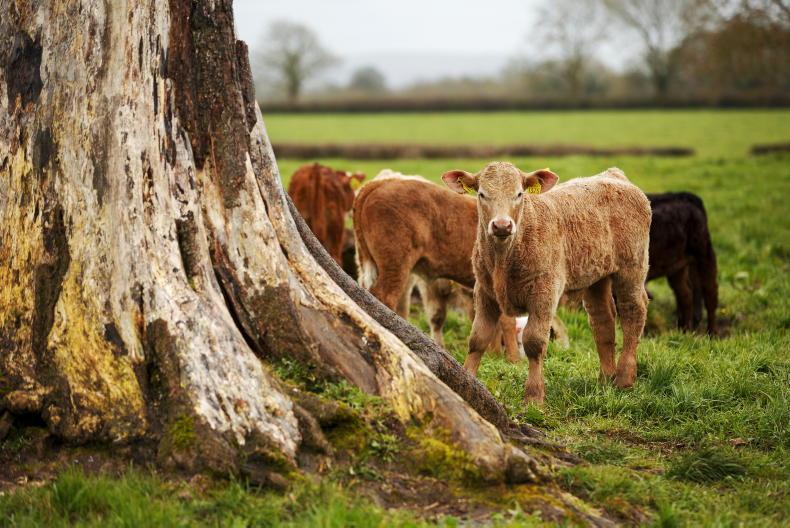
TB changes: there has been some confusion in the first few days of trading regarding the change in TB rules for animals above 36 months of age.
As we understand it, beef-bred cows than come from herds tested within the last six months (and have been tested themselves) can be purchased by anyone, or if these herds are outside of this six-month window, if the individual cow is tested herself within the last month, the rules remain the same.
Where beef cows are coming from herds that have not been tested in the last six months, it appears a pre movement test is required for her to be sold to ‘Class 1’ buyers, ie buyers that fit outside the non-breeding/non milk producing herds or Controlled finishing unit specifications. Farmers can check the status of animals using AIM.
The changes also have implications for contract rearers. For calves/heifers older than 42 days of age moving to a herd where animals from multiple herds are present for contract rearing, a 30-day pre-movement test is required. When these animals move back to their original herd, a 30-day pre-movement test is also required.
Fodder supplies: fodder supplies have been depleted throughout the country owing to a delayed turn out, with even those based on heavier soils and in wetter parts of the country quickly eating in to buffers that were built up.
A general recommendation is to have 10-20% of feed above what is normally required to act as a buffer for years such as we have just experienced.
While fertiliser is expensive at the moment, applications in the first half of the year will see a greater utilisation rate of nitrogen compared to those used in the latter half. The aim for all farmers looking to build reserves should be have nitrogen available to grass as we approach the peak grass growing period.
While application on silage ground has been delayed, most farms should still apply close to the standard units N/acre. Cooler conditions and below normal growth rates should give way to strong growth once soil temperatures increase and grass growth takes off, which will see ground use over two units N/day.
Coccidiosis: there have been some reports of coccidiosis in calves across the country. The disease takes approximately three weeks to mature in to clinical signs, so very young calves less than six weeks old have picked it up a short time after birth.
A delayed turn out in spring has put pressure on animal housing, so hygiene has slipped which has increased coccidiosis pressure. Calving/creep pens need to be kept clean, dry and disinfected to reduce risk. While calves will develop immunity over time to the disease, sub clinical signs of calves with coccidiosis is poor thrive, while the clinical sign is a watery scour.
Calves can be drenched to reduce immediate heavy burdens and allow them to become lightly exposed thereafter to develop immunity. As always, consult your vet on the best practice for your farm.



SHARING OPTIONS