


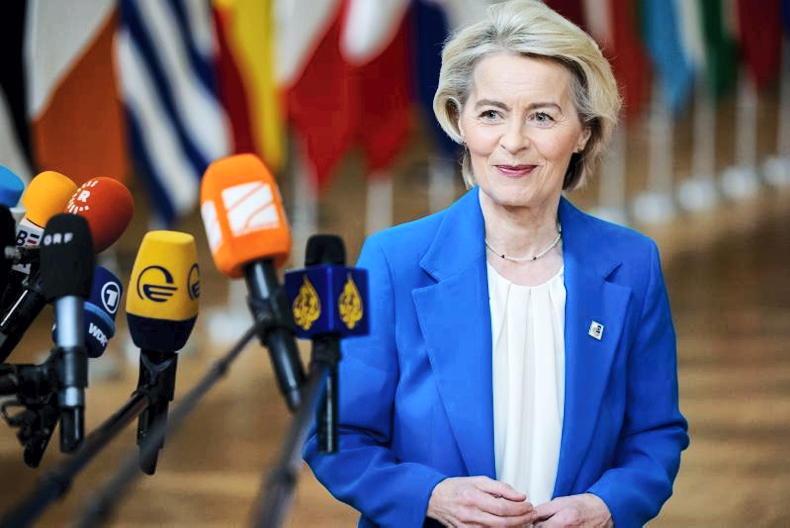
News coming from Brussels on Monday is pointing to a potential tabling of the Mercosur trade deal vote this Friday 9 January.
It is also widely expected that the Italian prime minister Georgia Meloni will now row in behind the deal, having previously expressed concerns about the deal ahead of the abandoned December vote.
Meloni had asked for extra time to communicate with Italian farm organisations in December.
Alongside this, she was also looking for extra safeguards, with particular reference to the use of banned pesticides in the Mercosur countries.
Additional money in the next Common Agricultural Policy (CAP) budget was also understood to have been discussed in the last few weeks in order to get the Italians on side, according to an EU source.
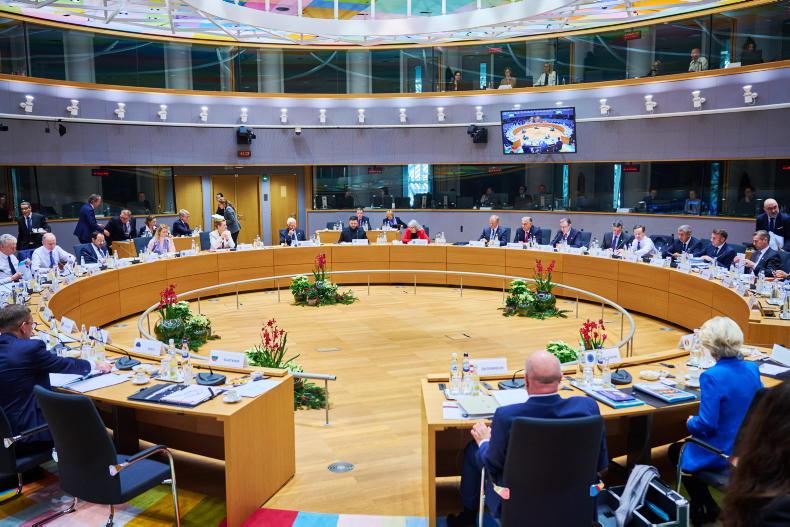
It’s understood that EU heads of state will not be required to attend Friday’s meeting in Brussels, but instead the vote will be taken through EU ambassadors.
Travel
Should this vote go ahead and get passed, this will allow European Commission president Ursula von der Leyen to travel to Paraguay on 12 January to sign the deal with the Mercosur bloc of countries.
Taoiseach Michael Martin is currently in China on a state visit discussing issues around trade and ties between the two countries. Aingeal O’Donoghue is the permanent representative of Ireland to the EU and she will take part in the vote at the direction of the Taoiseach and the Irish government should the vote go ahead on Friday.
'Monitoring developments'
Speaking to the Irish Farmers Journal, Irish Farmers Association (IFA) president Francie Gorman said: “The IFA office in Brussels is monitoring developments by the hour and we would be concerned that there may be an attempt at this meeting to ratify the deal.
“This is something we are actively discussing in conjunction with COPA and our farm organisation counterparts in countries who are opposed to Mercosur,” he said.
“An EU blocking minority requires four countries that make up at least 35% of the population of the EU.
"Ireland has about 1% of the EU population, so maintaining opposition in countries such as France (c15%), Italy (c13%), Poland (c8%), Hungary (c2%) and Austria (c2%) is vital.
"The Irish Government cannot block this on their own, but they can work with others to maintain the blocking minority,” he said.



SHARING OPTIONS